
 |
|
|
| Past Performance |
| 16 Feb 19 |
The Rising Stars 4 |
The Opera Society of Hong Kong 香港歌劇社 |
| 9 Jun 18 |
2018 Young Artist Programme 青年新聲 |
The Opera Society of Hong Kong 香港歌劇社 |
| 3 May 18 |
Opera Fever 6 歌劇狂熱6樂無窮 |
The Opera Society of Hong Kong 香港歌劇社 |
| 31 Dec 17 |
New Year's Eve Gig |
Grissini, Grand Hyatt |
| 16-18 Dec 17 |
Guangzhou Concert Tour |
Christ our Saviour Church, Guangzhou |
| 26 Aug 17 |
The Rising Stars 3 |
The Opera Society of Hong Kong 香港歌劇社 |
| 11 Jun 17 |
建軍大業 Movie Music Chorus Recording |
|
| 4 May 17 |
Opera Fever 5 歌劇狂熱慶銀禧 |
The Opera Society of Hong Kong 香港歌劇社 |
| 9 Nov 16 |
Opera Passion 4 |
The Opera Society of Hong Kong 香港歌劇社 |
| 27 Oct 16 |
Bellissima Italia Presentation Ceremony 2016 |
Bellissima Italia |
| 9 Oct 16 |
The Rising Stars 2 |
The Opera Society of Hong Kong 香港歌劇社 |
| 24-26 Sep 16 |
Guangzhou Evangelical Musc Tour |
Christ our Saviour Church, Guangzhou |
| 19 May 16 |
Opera Fever 4Ever 歌劇狂熱唱不停 |
The Opera Society of Hong Kong 香港歌劇社 |
| 19 Feb 16 |
The Rising Stars |
The Opera Society of Hong Kong 香港歌劇社 |
| 19 Dec 15 |
Music from Vienna Concert |
Global Symphony Orchestra |
| 11-13 Dec 15 |
Il Trovatore 2015 |
LCSD |
| 14 Sep 15 |
Opera Passion III 歌劇濃情 III |
The Opera Society of Hong Kong 香港歌劇社 |
| 15 May 15 |
Opera Fever 3 |
The Opera Society of Hong Kong 香港歌劇社 |
| 12-14 Dec 14 |
Turandot 2014 |
LCSD |
| 10 Sep 14 |
Mid-Autumn Gala |
The Opera Society of Hong Kong 香港歌劇社 |
| 30 Jun 14 |
Embracing the World |
The Opera Society of Hong Kong 香港歌劇社 |
| 13 Feb 14 |
Opera Fever II - Love |
The Opera Society of Hong Kong 香港歌劇社 |
| 13-15 Dec 13 |
Rigoletto 2013 |
LCSD |
| 14 Sep 13 |
Opera Fever - OSHK Members' Mini Concert |
The Opera Society of Hong Kong 香港歌劇社 |
| 4-6 Jan 13 |
Cavalleria Rusticana & I Pagliacci |
LCSD |
| 29 Oct 12 |
20th Anniversary Gala Concert |
The Opera Society of Hong Kong 香港歌劇社 |
| 6-8 Jan 12 |
Lucia di Lammermoor 2012 |
LCSD |
| 21-23 Jan 11 |
L'Elisir d'Amore |
LCSD |
| 4 May 10 |
Andrea Bocelli in Asia 2010 |
The Opera Society of Hong Kong 香港歌劇社 |
| 29-31 Jan 10 |
La Fille du Regiment |
LCSD |
| 2-4 Jan 09 |
Madama Butterfly 2009 |
LCSD |
| 24 Dec 08 |
A World Christmas |
RTHK Radio 4 |
| 15-17 May 08 |
La Perichole |
Consulate General of France |
| 20 Nov 07 |
Opera Society 15th Anniversary Concert |
The Opera Society of Hong Kong 香港歌劇社 |
| 3 May 07 |
From Opera to Musical |
The Opera Society of Hong Kong with Rotary Clubs |
| 24 Dec 06 |
Season's Greetings in the Park |
RTHK Radio 4 |
| 17 Feb 06 |
Members' Concert 2006 |
The Opera Society of Hong Kong 香港歌劇社 |
| 24 Dec 05 |
Messiah in the Park |
RTHK Radio 4 |
| 16-20 Sep 04 |
Faust |
LCSD |
| 19-20 May 04 |
Samson and Delilah |
Opera Hong Kong |
| 23-24 Apr 04 |
HKPO's 2004 Choral Classics Showcase II |
Hong Kong Philharmonic Orchestra |
| 18 Oct 03 |
Love for Hong Kong for Opera |
Opera Hong Kong |
| 25-29 Sep 03 |
Macbeth |
LCSD |
| 14-16 Feb 03 |
The Abduction from the Seraglio |
Arts Festival 2003 |
| 12-17 Sep 02 |
Madama Butterfly 2002 |
LCSD |
| 18 May 02 |
Fruits on the Tree 樹上的果子 |
Hugo Productions (HK) Ltd. |
| 5 Mar 02 |
City Hall 40th Anniversary Concert |
LCSD |
| 11-12 Jan 02 |
Beethoven 9 with HKPO |
Hong Kong Philharmonic Orchestra |
| 28-30 Sep 01; 1-3 Oct 01 |
Il Trovatore |
LCSD |
| 20-21 Apr 01 |
Handel's Messiah |
Hong Kong Philharmonic Orchestra |
| 23-24, 26-27, 29-30 Sep 00 |
Tosca |
LCSD |
| 3 Sep 00 |
Mozart's Requiem |
|
| 19-20 May 00 |
Voices of Light - The Passion of Joan of Arc |
|
| 3 Feb 00 |
RTHK 4 Grand Millenniium Concert |
RTHK Radio 4 |
| 14-16 Jan 00 |
Lihun & Changmingdeng |
LCSD |
| 30 Dec 99 |
Beethoven 9 in Guangzhou |
|
| 25-26, 28-30 Sep 99; 1-2 Oct 99 |
Carmen |
Provisional Urban Council |
| 16-18 Apr 99 |
Die Fledermaus |
Provisional Regional Council |
| 3 Mar 99 |
Opera Passion |
Opera Society of Hong Kong |
| 11-12 Feb 99 |
Night Banquet |
Arts Festival 1999 |
| 19-26 Sep 98 |
La Boheme |
Provisioinal Urban Council |
| 8 Apr 98 |
St. Matthew Passion |
|
| 9-11 Jan 98 |
The Merry Widow |
Provisional Regional Council |
| 30-31 Dec 97; 3 Jan 98 |
New Year Extravaganza |
Hong Kong Philharmonic Orchestra |
| 13-15, 17-19 Sep 97 |
Aida |
Provisional Urban Council |
| 4-6 Aug 97 |
The Emperor and the Nightingale |
|
| 7 Jul 97 |
Melodies of New Era |
|
| 20-21 Jun 97 |
Alexander Nevsky |
Hong Kong Philharmonic Orchestra |
| 10-11 Jun 97 |
Beethoven's Symphony No. 9 |
|
| 18-23 Sep 96 |
Turandot |
Urban Council |
| 16 Jul 96 |
A Night at the Opera |
|
| 3-6 Nov 95 |
Lucia di Lammermoor 1995 |
Urban Coincil |
| 20-24 Sep 94 |
La Traviata |
Urban Council |
| 11 Mar 94 |
Hong Kong Stadium Opening Gala |
|
| 18-23 Oct 93 |
Rigoletto |
Urban Council |
| 18-23 Nov 92 |
Otello |
Urban Council |
 |
The Rising Stars 4 |
 |
|
 An educational project by the Opera Society of Hong Kong 香港歌劇社.
|


|
The 4th event of the Rising Stars series will be held on 16 Feb 2019 (Sat). Young musicians in their teens will be given the opportunity to perform and enjoy music through this wonderful learning experience!
Detailed programme to be announced.
|
|
|
2018 Young Artist Programme 青年新聲 |
|
|
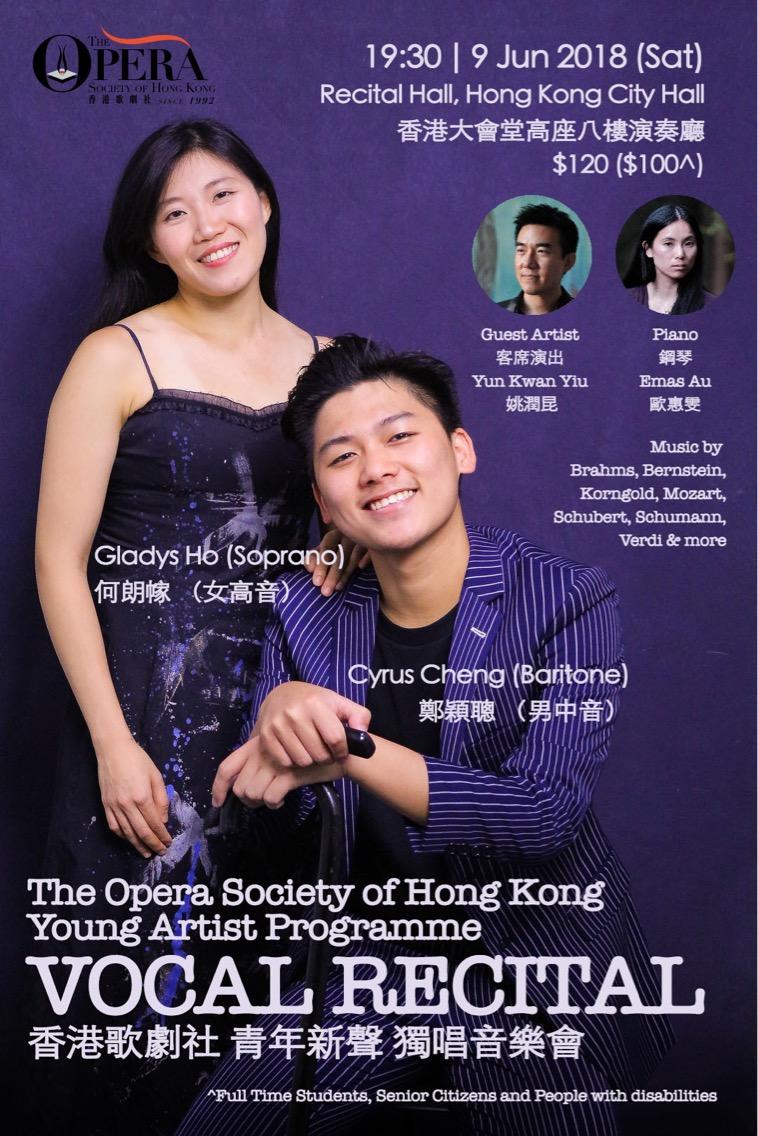 This is the first concert of the Young Artist Programme organized by the Opera Society of Hong Kong 香港歌劇社. The event was held on 9 Jun 2018 at the Recital Hall, Hong Kong City Hall.
|
|
|
Our young talented singers, Gladys Ho and Cyrus Cheng delivered a fabulous performance to a full-house audience.
More details at our Facebook event page here
|
|
|
Opera Fever 6 歌劇狂熱6樂無窮 |
|
|
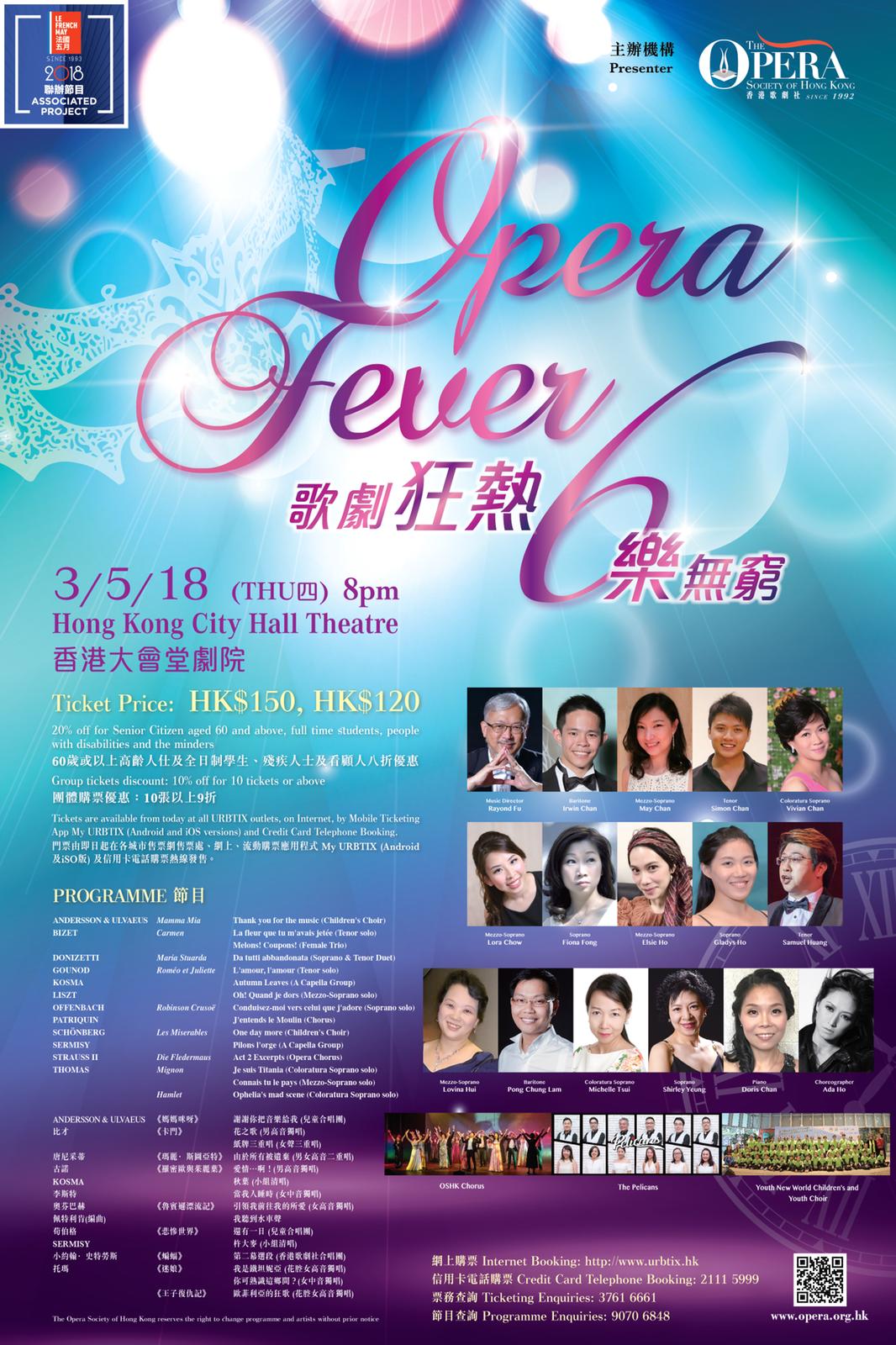 The Opera Fever 6 歌劇狂熱6樂無窮 is a Le French May Associated Project.
|
|
|
Together with music lovers and passionate singers, the Opera Society of Hong Kong presented a program full of variety and colors.
Apart from performances by talented local soloists, duets, trio and children choir, the highlight of the evening was a half-staged Act 2 of the Die Fledermaus where the Opera Society of Hong Kong Chorus enjoyed the fun with our guest soloists to deliver the operetta excerpt which is full of humour and enjoyable music!
Please visit our Facebook event here
|
|
|
Guangzhou Concert Tour |
|
|
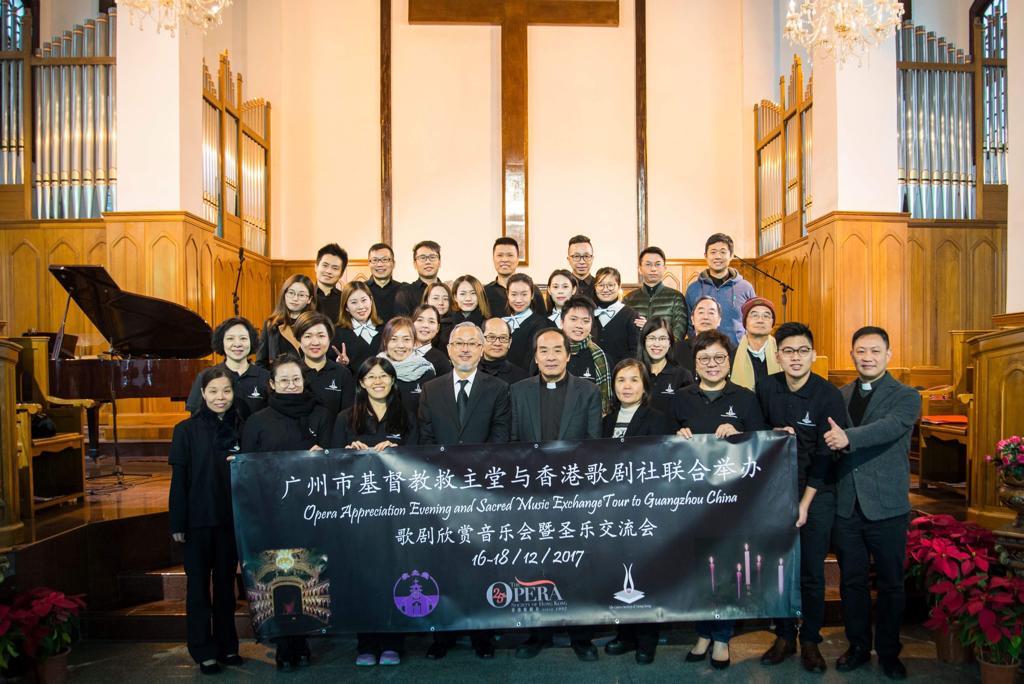 The Opera Society of Hong Kong 香港歌劇社 was invited by 廣州救主堂 and organized a music tour for our members from 16 to 18 Dec 2017.
|
|
|
During this 3-day tour, the members from the Opera Society of Hong Kong and our singing friends took part in an Opera Appreciation Concert on 16 Dec 2017. There were solo, duet, trio and chorus items as well as excerpts from famous opera work. They also participated in singing during the church services on 17 and 18 Dec 2017.
Last but not least, there were also sight seeing and good food!
|
|
|
The Rising Stars 3 |
|
|
.jpeg) The 3rd concert of this education series of the Opera Society of Hong Kong 香港歌劇社 has been successfully held on 26 Aug 2017 at Recital Hall of Hong Kong City Hall. Nine young talents joined the programme. This has been an enjoyable evening for the audience and a good education opportunity for the young rising stars!
The 3rd concert of this education series of the Opera Society of Hong Kong 香港歌劇社 has been successfully held on 26 Aug 2017 at Recital Hall of Hong Kong City Hall. Nine young talents joined the programme. This has been an enjoyable evening for the audience and a good education opportunity for the young rising stars!
|
|
|
More information available at Facebook event
|
|
|
建軍大業 Movie Music Chorus Recording |
|
|
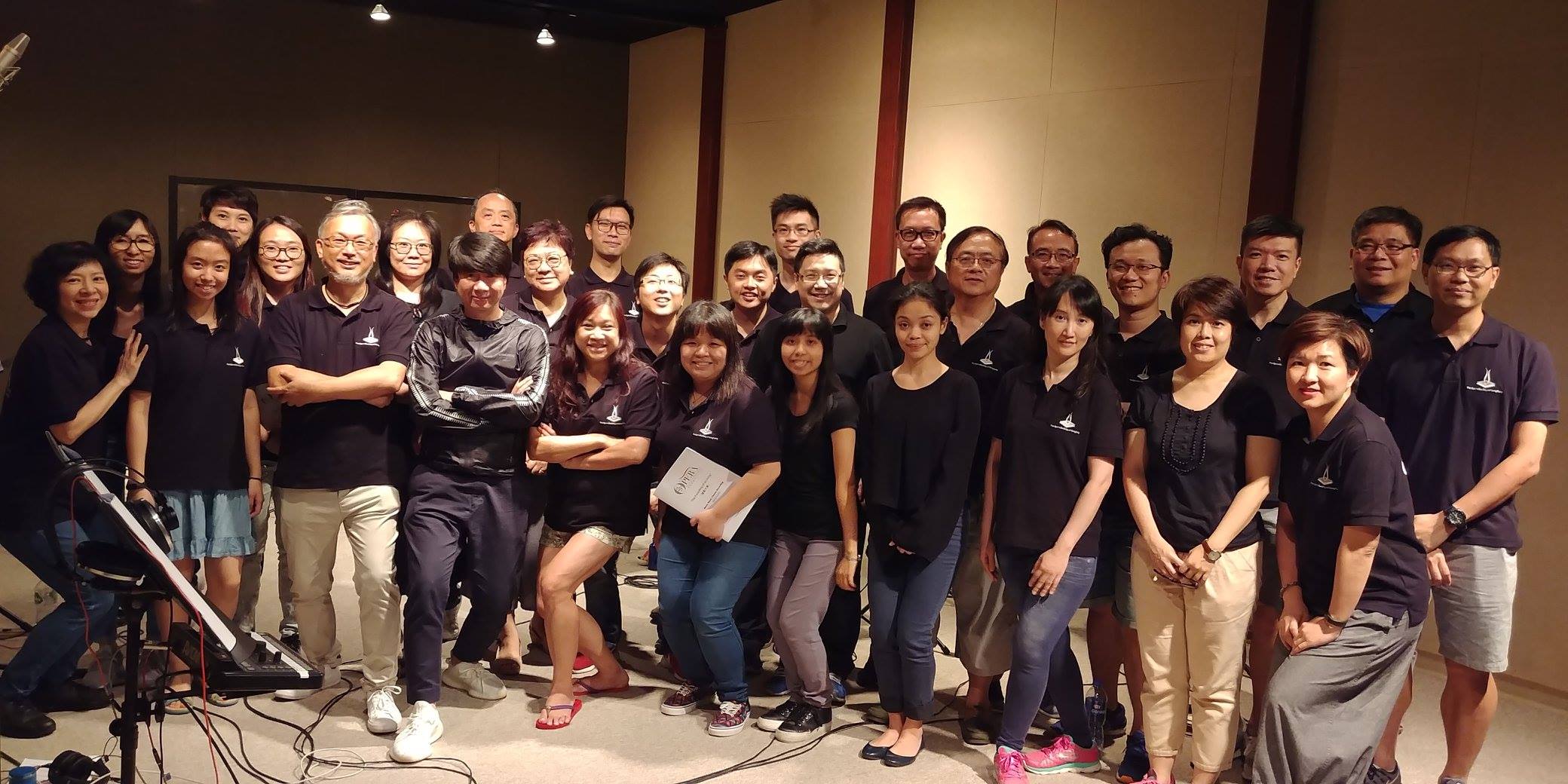
The Opera Society of Hong Kong is again invited to
record the chorus part of a mega film. 《建軍大業》"The Founding of an Army" is a Chinese historical film featuring a star-studded cast of Chinese
actors to mark the 90th anniversary of the founding of the People’s Liberation
Army.
The film will be released in summer 2017!
|
|
|
|
Opera Fever 5 歌劇狂熱慶銀禧 |
|
|
 Following the success of previous concerts of the same series, the Opera Fever 5 Concert, which is a Le French May Associated Project and the first major event of our 25th anniversary year, was held successfully on 4 May 2017.
|
|
|
This year we have 14 groups of performers,
including solo, duet, trio, ensemble and choirs. The rich program covered French repertoire as well as famous excerpts from musicals and
opera. The OSHK Children's Choir and OSHK Chorus were also among the performing
groups and received high acclaim. Finale of the evening: Phantom of the Opera
Medley presented by the OSHK Chorus was enjoyed very much by the audience as
well as the chorus members. Date: 4 May 2017 (Thu) 8pm Venue: Hong Kong City Hall Theatre FB event page
|
|
|
Opera Passion 4 |
|
|
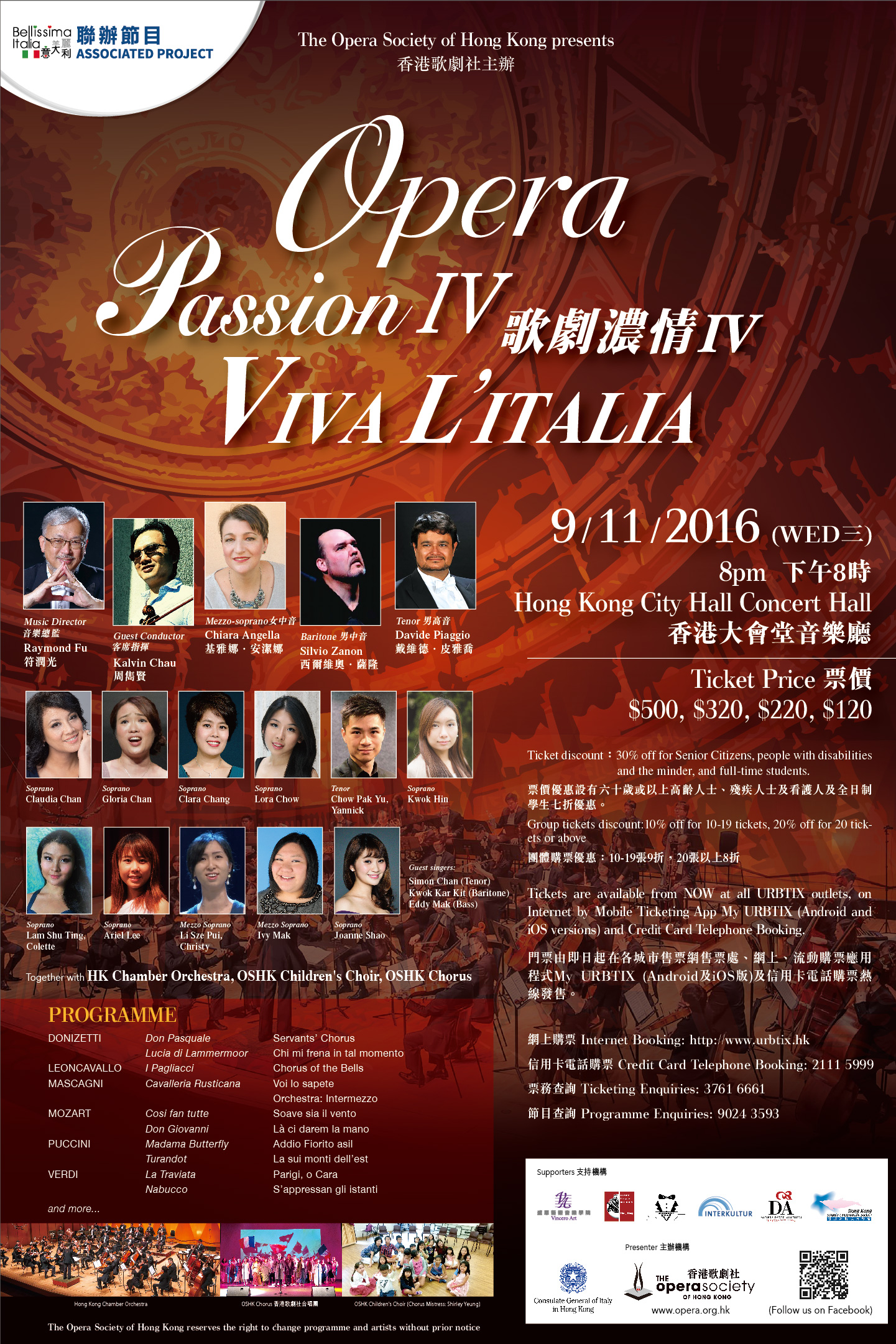
Opera Passion has become an exciting event by the Opera Society of Hong Kong 香港歌劇社 to demonstrate our continuous passion for opera and to showcase outstanding participants from the International Opera Exchange MasterClass.
|
|
|
This year we were again joined by the two Italian masters Chiara Angella and Silvio Zanon. Together with the participants from the MasterClass and the Children's Choir, passionate singers delivered an enjoyable concert before the dawn of our 25th year anniversary.
Date: 9 Nov 2016 (Wed) Venue: Concert Hall, Hong Kong City Hall
Exciting and rich programme with solo, ensemble, chorus and children's chorus covering repertoire with a thematic style to provide you an enjoyable evening!
Check our FB page and stay tuned to our announcements for more details! |
|
|
Bellissima Italia Presentation Ceremony 2016 |
|
|
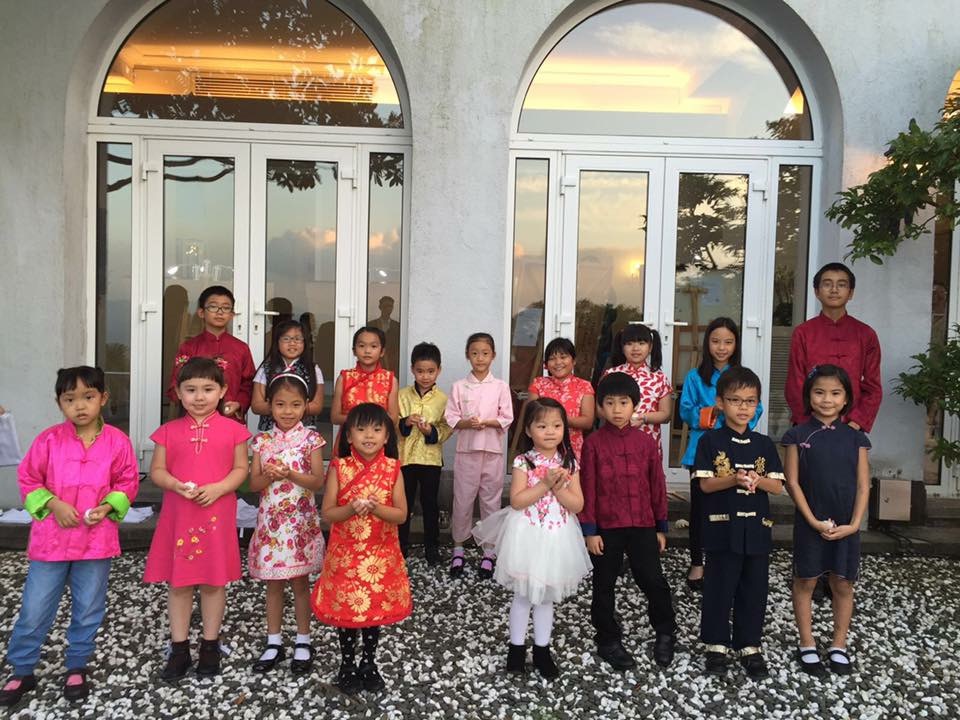 The Children's Choir of the Opera Society of Hong Kong 香港歌劇社 was invited to sing at the Victoria House for the Bellissima Italia Presentation Ceremony on 27 October 2016.
|
|
|
Many congratulations to the OSHK Children's Choir on their successful premiere performance in front of 160+ VIPs including the Chief Secretary, Mrs Carrie Lam and the Italian Consul General, Mr De Riu!
17 young singers sang heartily to kick off the ceremony and received enthusiastic applause from the floor!
|
|
|
The Rising Stars 2 |
|
|

Still remember the impressive performance by our young Rising Stars in early 2016? The Rising Stars 2, 2nd project of this education program series by the Opera Society of Hong Kong 香港歌劇社 is again tailored for young talents with age 6 to 17 having ABRSM Grade 5 or above equivalent in voice or musical instruments.
|
|
|
The shortlisted young talents received not only the opportunity to perform on stage, but also training by professional tutors to perform ensemble with the other young performers.
Performance Date: Oct 9, 2016 Sunday
Venue: 8/F Recital Hall, Hong Kong City Hall
Music Director: Li Si-Lai
Concert Manager: Tracy Chan
Pianist: Karl Hui
Final shortlisted participants and program:
1. Mezzo-soprano
Solo (Skylar Li)
i. 塔里木河 維吾爾族民歌 克里木詞
ii. Far
From The Home I Love from "Fiddler on the Roof" Jerry Bock & Sheldon
Harnick
2. Female
Trio (Angel Chau, Skylar Li & Alice Keung)
Three Little Maids From School from "The
Mikado" Music by Arthur Sullivan, Words by W. S. Gilbert
3. Mezzo-soprano
Solo (Alice Keung)
Summertime from "Porgy and Bess" Gershwin
& Heyward
4. Female
Duet (Angel Chau & Alice Keung)
Prayer from "Hansel and Gretel" Engelbert
Humperdinck
5. Soprano
Solo (Angel Chau)
i. How
Beautiful Are The Feet from "Messiah" G. F Handel
ii. Madrigal
Jules Massenet
6. Zheng
Solo (Giana Yeung)
i. 香山射鼓 曲云
ii. 豐收鑼鼓 彭修文、蔡惠泉
7. Soprano
Solo (Chloe Fu)
i. Shiny
Cecil Cope
ii. When
Daisies Pied T. A. Arne
8. Female
Duet (Cindy Lee & Chloe Fu)
臉如花 青主作曲 杜安世詞
9. Female
Trio (Chloe Fu, Cindy Lee & Giana Yeung)
The Lark In The Clear Air Irish Air,
Arranged by Edgar Deale
10. Mezzo-soprano
Solo (Giana Yeung)
Love Walked In Music and Lyrics by George
Gershwin and Ira Gershwin
11. Piano
Solo (Jessica Chan)
i. Sonata
in Bb K570, 3rd Movement - Allegretto W.A. Mozart
ii. Waltz
in E Minor Op. Posthumus Chopin
12. Soprano
Solo (Rachel Lorelle Chu)
i. Sapphic
Ode Johannes Brahms
ii. Over
The Rainbow from "Wizard of Oz" Music by Harold Aelen, Lyrics by E Y Harburg
13. Female
Duet (Cindy Lee & Rachel Lorelle Chu)
Plasir D'amour Music by Martini, Words by
Helen Taylor
14. Soprano
Solo (Cindy Lee)
i. Sebben,
crudele Caldara
ii. My
Ship from "Lady in the Dark" Weill & I. Gershwin
15. Harp
& Piano Solo (Pearl Chan)
i. Toccato
David Snell
ii. Waltz
in B minor, Op.69 No.2 Dryderyk Chopin
16. Female
Trio (Cindy Lee, Rachel Lorelle Chu & Giana Yeung)
Till There was You from "The Music Man¡§ Meredith Willson
17. Female
Ensemble (Cindy Lee, Rachel Lorelle Chu, Giana Yeung, Chloe Fu, Angel Chau,
Skylar Li, Alice Keung, Jessica Chan)
Puttin' On The Ritz Music & words by
Irving Berlin, Arranged by Kirby Shaw
18. Finale
Who Will Buy from "Oliver!" Lionel Bart
Tonight from "West Side Story" Music by
Leonard Bernstein, Lyrics by Stephen Sondheim, Arranged by William Stickles
Enquiries: Please call Ms Chan on 91363961 or email: development@opera.org.hk
|
|
|
Guangzhou Evangelical Musc Tour |
|
|
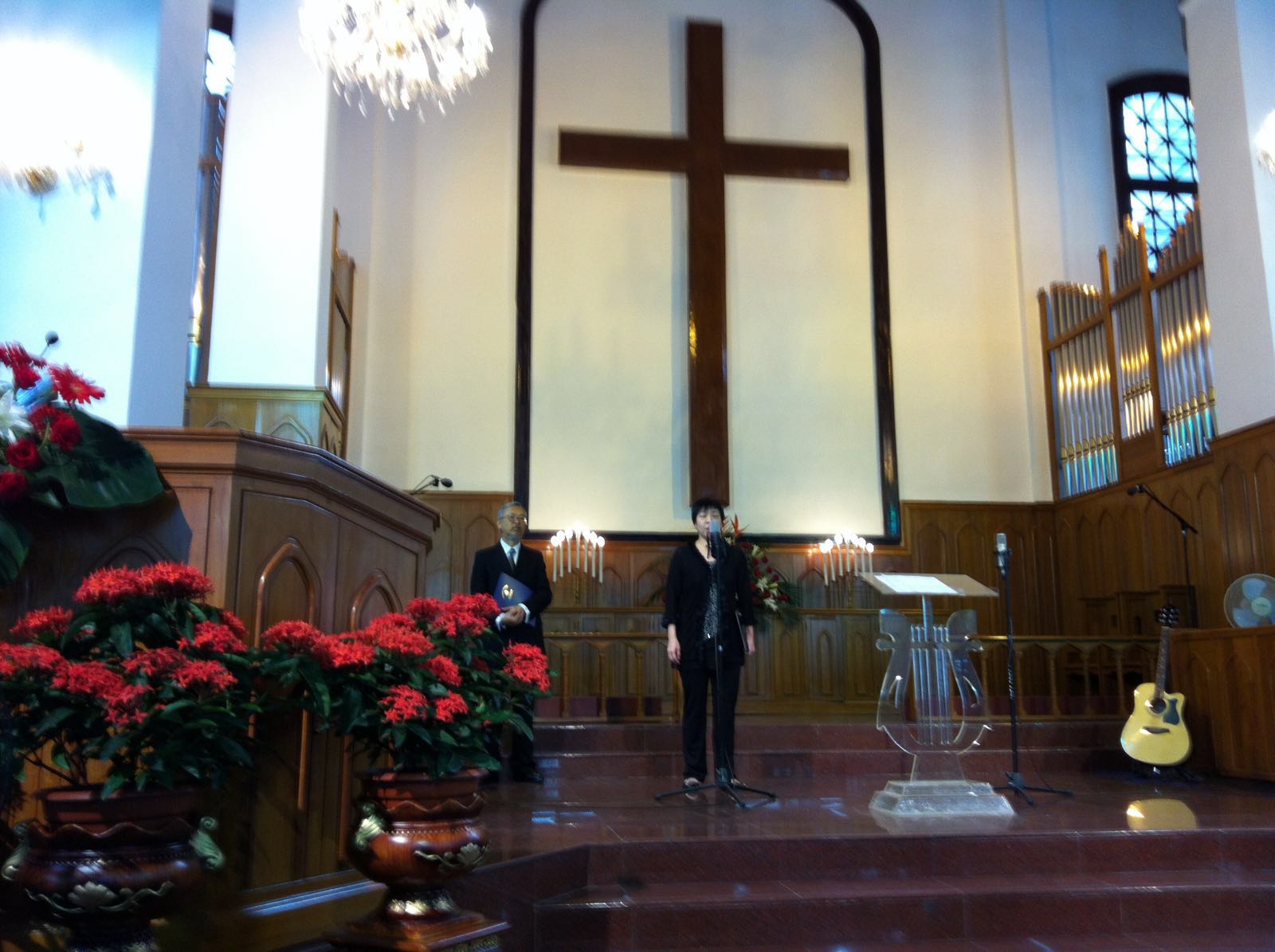
The Opera Society of Hong Kong 香港歌劇社 is very pleased to be invited by 廣州救主堂 to participate in an evangelical music tour from 24 to 26 September 2016. This is a meaningful religious event and an exceptional experience for singers and non-singing participants!
|
|
|
Programme Introit: O Praise the Lord by Adrian Batten
A Mass Setting through the ages by various composers
- Kyrie from Missa de Angelis
- Gloria from Missa Papae Marcelli by Giovanni Pierlugi da Palestrina
- Credo from Nelson Mass by J. Haydn
- Sanctus from Requiem by W. A. Mozart /Franz Xaver Süßmayr
- Benedictus from A Mass for Peace by Karl Jenkins
- Agnus Dei from Mass for 5 voices by William Byrd
Anthems:
- Laudate Dominum by W. A. Mozart (Soprano solo with chorus)
- I give to you a new commandment by Peter Nardone
- Everytime I feel the Spirit arranged by Bob Chilcott
- Dona Nobis Pacem (Traditional Canon)
- Hallelujah Chorus by G. F. Handel
Highlights of itinerary
24 Sep - Arrive Guangzhou, rehearsal and Joint Sacred Choral Concert (慶祝中國三自教會成立66週年)
25 Sep - Service singing (3 sessions: 9am; 11am & 6pm)
26 Sep - Free time in Guangzhou and back to Hong Kong |
|
|
Opera Fever 4Ever 歌劇狂熱唱不停 |
|
|
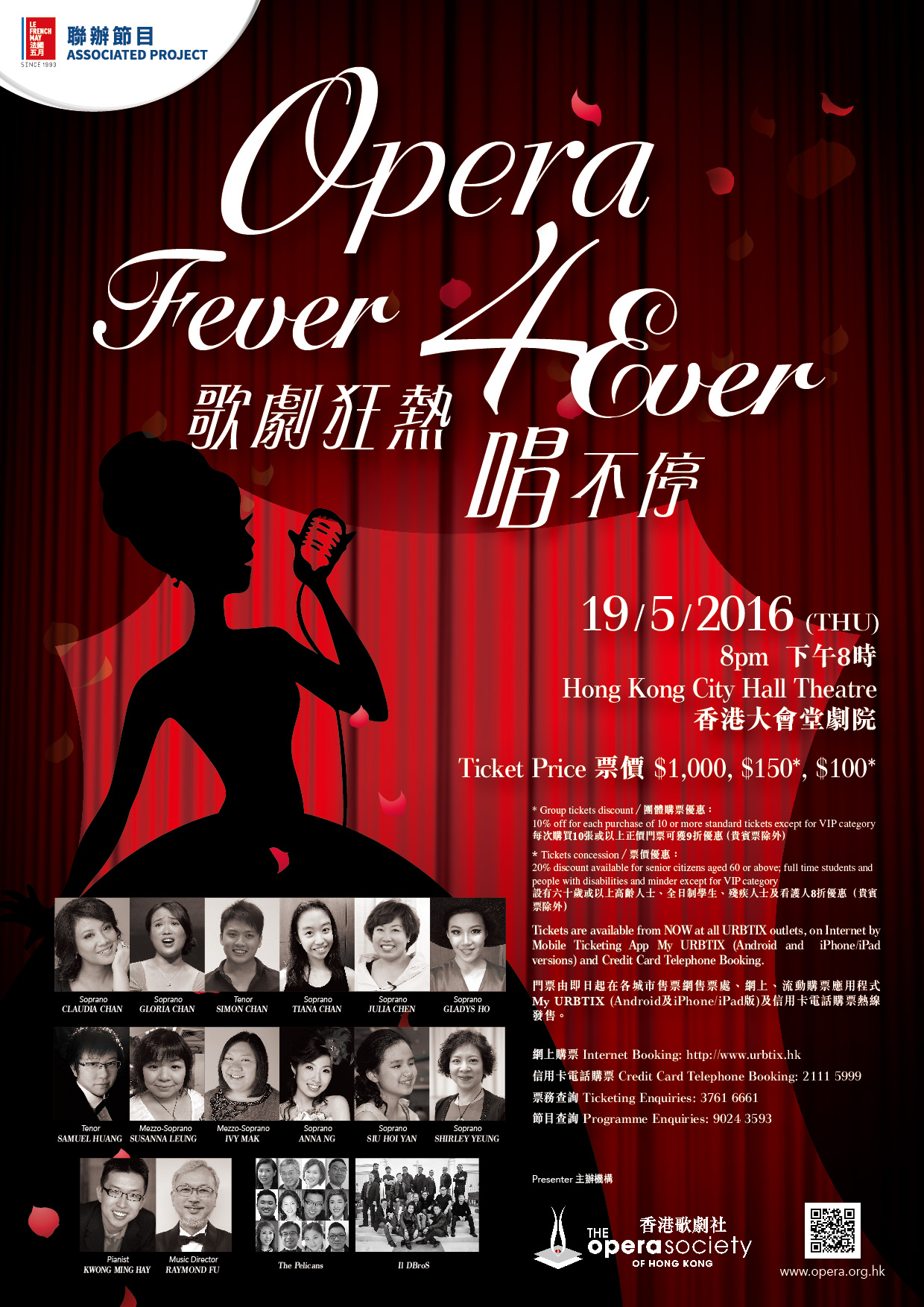
Opera Fever 4Ever: An Associated Programme of Le French May 2016 歌劇狂熱唱不停:法國五月節2016聯辦節目 19/05/2016 Hong Kong City Hall Theatre 8pm
|
|
|
2008 marked the Opera Society of HK's first encounter with Le French May in the production of La Perichole. The fantastic experience has left indelible memories with many of our singers. In Opera Fever 4EVER, we present a charity concert and opera education program to showcase our passionate singers and young professionals. The opera repertoire is rich and fiery singers of opera could hardly quench their fever of singing by singing more. In this concert, we will highlight favorite French operatic arias and excerpts from works including Carmen, Faust, The Tales of Hoffmann, and more. Don't miss this fantastic evening of feverish French opera singing and enjoyment!
2008年標誌著香港歌劇社與法國五月節的邂逅,當年演出輕歌劇《秘魯歌兒》的經驗,實在給我們留下了寶貴的回憶。「歌劇狂熱唱不停」是一個集慈善音樂會和歌劇音樂教育的項目,讓我們一班『發燒』歌手和年輕演唱家能一展才華。歌劇的曲目太豐富了,也充滿火熱和激情 - 歌劇演唱者的狂熱往往不能,只靠演唱多一些歌曲就可以降溫。在這場音樂會裏,我們將精選演唱法國歌劇中備受喜愛的選段,來自《卡門》、《浮士德》、《霍夫曼的故事》等等。大家千萬不要錯過欣賞法國歌劇狂熱演唱這美妙之夜!
|
|
|
The Rising Stars |
|
|
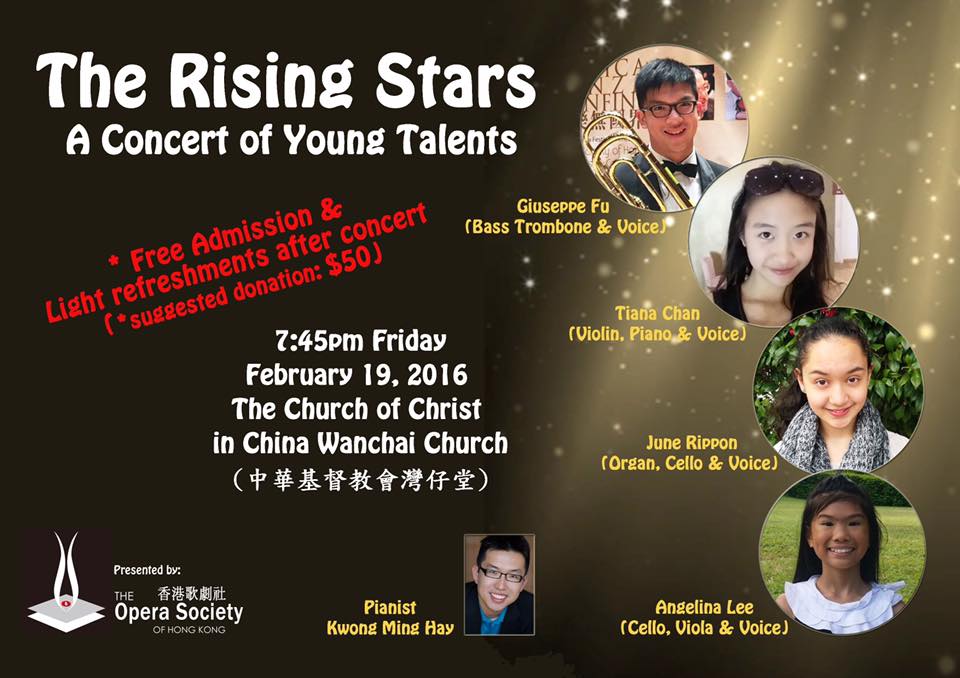
A Concert of Young Talents
This is part of the education program presented by The Opera Society of Hong Kong 香港歌劇社.
|
|
|
The aims of this concert are: (1) to nurture the young talented singers and instrumentalists of our Society (2) a warmup concert for their coming competitions and examinations
Music Advisor: Raymond Fu Pianist: Ming Kwong
Performers: Giuseppe Fu (Bass Trombone & Voice) Tiana Chan (Violin, Piano & Voice) June Rippon (Organ, Cello & Voice) Angelina Lee (Cello, Viola & Voice)
*Free admission with light refreshments after concert
|
|
|
Music from Vienna Concert |
|
|
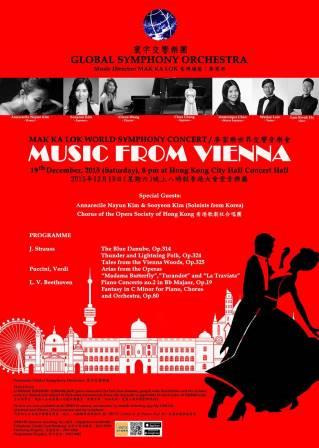
The Opera Society of Hong Kong 香港歌劇社 has been invited to sing in a festive and fun concert "Music from Vienna" on Saturday, December 19, 2015, at Concert Hall, City Hall Hong Kong. We'll be singing in Beethoven's Choral Fantasy for piano, chorus, and orchestra, Handel's Hallelujah Chorus, and yes, The Blue Danube Waltz by J. Strauss in an originally written-for-chorus mixed chorus version, and more.
Concert is presented by the Global Symphony Orchestra and under the baton of Maestro Ka Lok Mak. Come sing with us to have fun or come to the concert to enjoy!
|
|
|
Detailed information could be viewed on FaceBook
|
|
|
Il Trovatore 2015 |
|
|
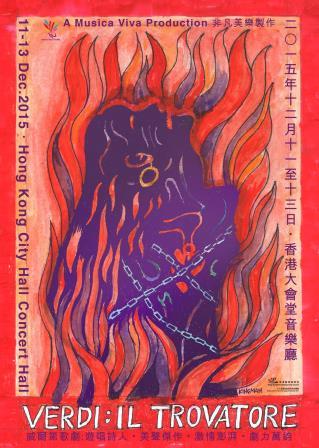
An opera in four acts, performed in Italian with Chinese and English subtitles.
Directed by Lo Kingman and conducted by Lio Kuokman, this production ofMusica Viva 非凡美樂 will see the collaboration between world-renowned stars and home-grown talents.
Raymond Fu, Chorusmaster, directs the Chrous of The Opera Society of Hong Kong 香港歌劇社 once again (since Il Trovatore 2001) to bring alive the legendary troubadours, nobles, and gypsies on the Hong Kong stage.
Four shows: 11-12 December 2015 (Fri, Sat) 7:45pm 12-13 December 2015 (Sat, Sun) 2:45pm
Venue: Concert Hall, Hong Kong City Hall 5 Edinburgh Place, Central, Hong Kong
Tickets: $630, $460, $300, $150 Discount tickets available for eligible persons. Available at URBTIX now.
Programme is presented by LCSD and click here for more information and opera synopsis
|
|
|
|
|
|
Opera Passion III 歌劇濃情 III |
|
|

"Opera Passion III" concert is not just another concert presented by the Opera Society of HK. It is in fact the fruit from an educational aspiration of the Society. Through organizing the "1st International Opera Exchange Master Class" on Sept 11 - 13, 2015, local young talented singers could learn and work together with world-class opera singers Chiara Angella & Silvio Zanon from Italy.
|
|
|
The Concert on Sept 14 will showcase outstanding participants from the Master Class, together with the two Italian masters, the Opera Society Chorus & Orchestra conducted by Raymond Fu. You will hear excerpts from well known operas including:
WAGNER Tannhäuser Freudig Begrüssen (Entrance Of The
Guests) PUCCINI Tosca Te Deum (Baritone with Chorus) Fanciulla
del West Ch'ella mi creda (Tenor solo) MASCAGNI Cavalleria
Rusticana Excerpts VERDI Forza
del destino Invano Alvaro (Tenor and
Baritone duet) Il
Trovatore Excerpts from Act 2 Nabucco Va, pensiero BIZET Carmen Habanera (Mezzo-Soprano
solo) MOZART Magic
Flute Finale
ROSSINI Mose Dal Tuo stellato soglio2 Tickets are available at URBTIX now. Opera Passion III FB Eventpage.
香港歌劇社主辦的「歌劇濃情Ⅲ」音樂會不是一場普通的音樂會,透過在2015年9月11-13日舉辦「第一屆國際歌劇交流大師班」,歌劇社實踐其一貫致力推廣西洋歌劇藝術教育的抱負,讓我們的青年歌手有機會得到來自意大利的世界級歌劇演唱家基雅娜‧安潔娜及西爾維奧‧薩隆親自指導。
9月14日的音樂會將由參加「大師班」學員當中表現最優秀者聯同兩位大師及香港歌劇社合唱團和管弦樂團擔綱演出,由符潤光指揮。屆時大家將欣賞到著名歌劇之選段包括:
節目 華格納 《唐懷瑟》 序曲 普契尼 《托斯卡》 謝恩讚美歌 (男中音及合唱) 《西部女郎》請讓她相信 (男高音獨唱) 馬斯卡尼《鄉村騎士》 選段 (女中音、男中音及合唱) 威爾第 《命運之力》 阿瓦羅,你休想躲起來 (男高音與男中音二重唱 ) 《遊唱詩人》 第二幕選段 (女中音及合唱) 《拿布果》 希伯來奴隸大合唱 比才 《卡門》 「愛情像野鳥」(哈巴奈拉舞曲) (女中音及合唱) 莫札特 《魔笛》 終曲
羅西尼 《摩西在埃及》從你的繁星寶座/紅海祈禱合唱 門票現於城市售票網公開發售。 歌劇濃情Ⅲ 面書專頁 查詢可致電 9024 3593 香港歌劇社面書 |
|
|
Opera Fever 3 |
|
|
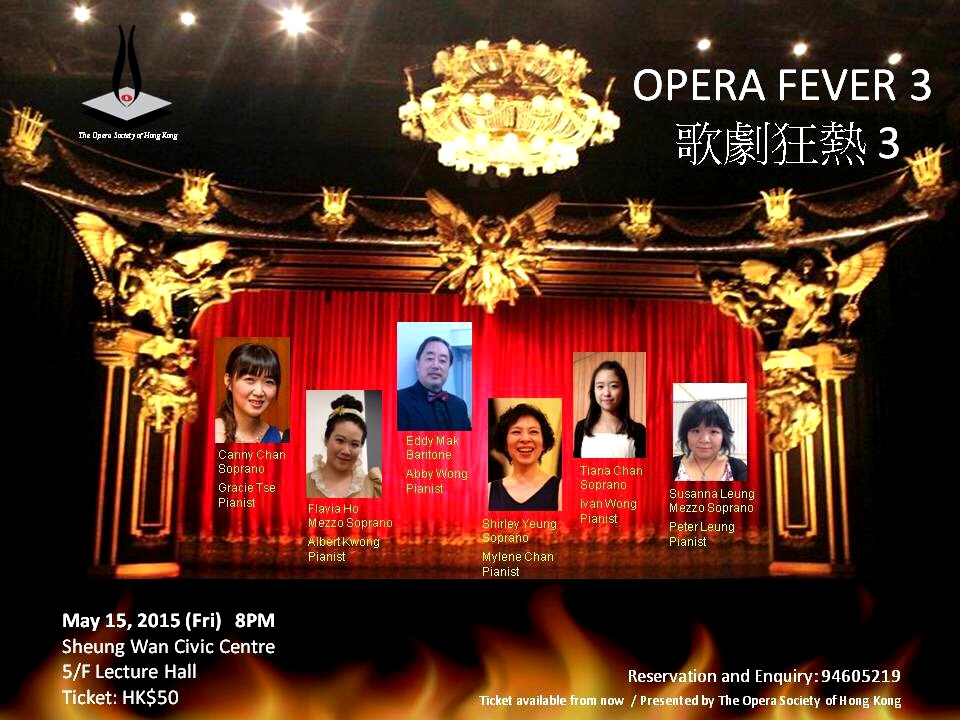 The Opera Society of Hong Kong's Members' Mini Concert 2015 Opera Fever 3 follows the success of our previous Opera
Fever mini concerts held in September 2013 and February 2014.
The Opera Society of Hong Kong's Members' Mini Concert 2015 Opera Fever 3 follows the success of our previous Opera
Fever mini concerts held in September 2013 and February 2014.
Date : 15 May 2015 (Friday)
Time : 8:00pm
Venue : 5/F, Lecture Hall, Sheung Wan Civic Centre
Tickets: $50 available by reservation or at the door.
Reservation and Enquiry: Call Si-lai Li at 94605219.
|
|
|
A delightful programme of opera arias and art songs performed by soloists and ensembles:
Susanna Leung, mezzo soprano, with Peter Leung, pianist
- Habanera from "Carmen" by George Bizet
- Caro Mio Ben by Guiseppe Giordiani
Tiana Chan, soprano, with Ivan Wong, pianist
- Ach, ich fuhl's from "Magic Flute" by Wolfgang Amadeus Mozart
- Elle a fui, la tourterelle from "The Tales of Hoffmann" by Jacques Offenbach
Canny Chan, soprano; Flavia Ho, mezzo soprano; with Albert Kwong, pianist
- Barcarolle from "The Tales of Hoffmann" by Jacques Offenbach
Eddy Mak, baritone, with Abby Nga Yee Wong, pianist
- Eri Tu from "Masked Ball" by Giuseppe Verdi
- Avant de quitter ces lieux from "Faust" by Charles Gounod
Tiana Chan, soprano; Shirley Yeung, soprano; with Albert Kwong, pianist
- Flower Duet from "Lakme" by Leo Delibes
Flavia Ho, mezzo soprano, with Albert Kwong, pianist
- Voi che sapete from "Le Nozze di Figaro" by Wolfgang Amadeus Mozart
- Tu lo sai by Giuseppe Torelli
Canny Chan, soprano, with Gracie Tse, pianist
- Allerseelen Op.10, No.8 by Richard Strauss
- Deh Vienni, non tardar from "Le Nozze di Figaro" by Wolfgang Amadeus Mozart
Susanna Leung, mezzo soprano; Eddy Mak, baritone; with Albert Kwong, pianist
- La Traviata Duet by Giuseppe Verdi
Shirley Yeung, soprano, with Mylene Chan, pianist
- Dove sono from "Le Nozze di Figaro" by Wolfgang Amadeus Mozart
- Un bel di, vedremo from "Madama Butterfly" by Giacomo Puccini
Finale, with all
- Santa Lucia, traditional Neapolitan song
|
|
|
Turandot 2014 |
|
|
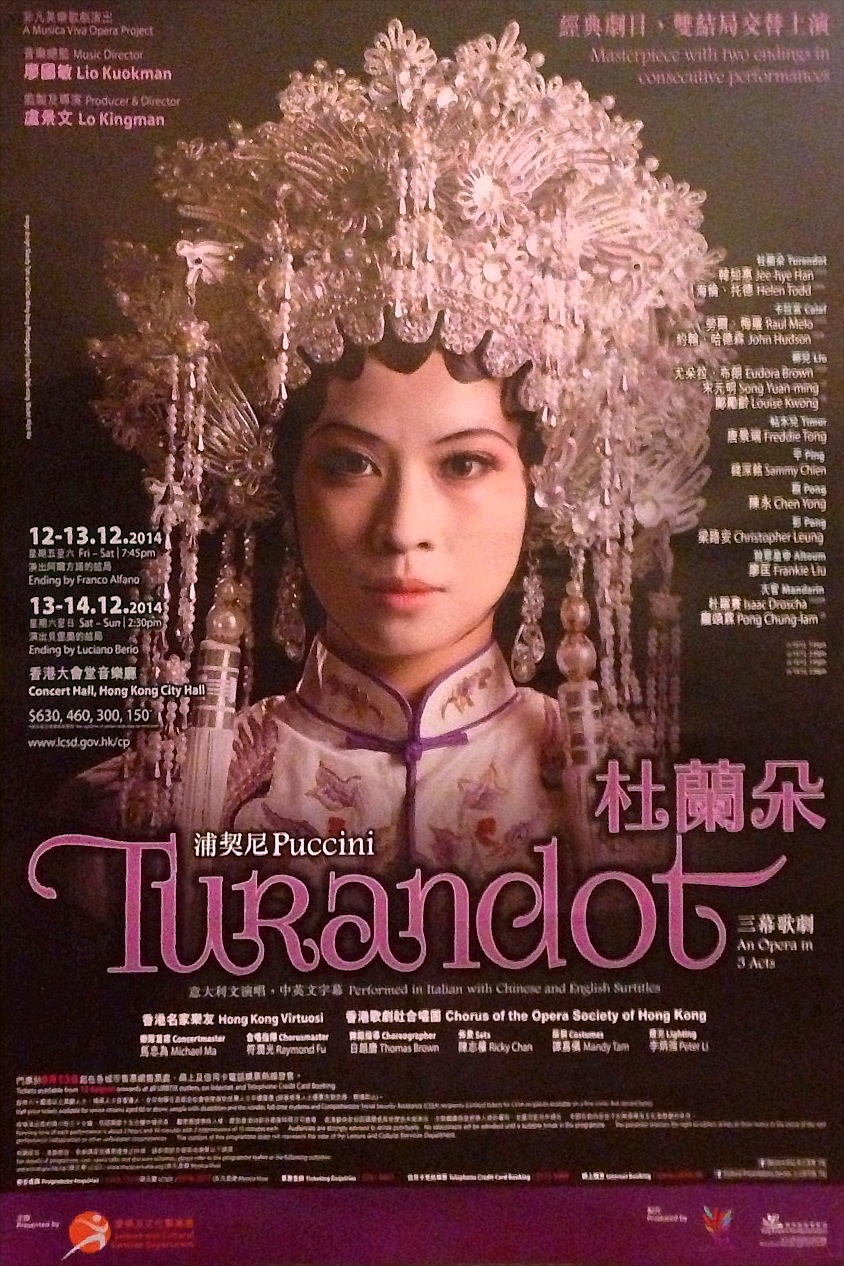
An opera in 3 acts by Giacomo Puccini.
Performed in Italian with Chinese and English subtitles.
4 performances at the Concert Hall, Hong Kong City Hall:
12 December 2014 (Fri) 7:45pm
13 December 2014 (Sat) 2:30pm
13 December 2014 (Sat) 7:45pm
14 December 2014 (Sun) 2:30pm
A Musica Viva production:
Music Director: Lio Kuokman
Producer & Director: Lo Kingman
Chamber Orchestra: Hong Kong Virtuosi
Chorus: The Opera Society of Hong Kong
Chorusmaster: Raymond Fu
Choreographer: Thomas Brown
Sets: Ricky Chan
Costumes: Mandy Tam
Lighting: Peter Li
Ticketing: $630, $460, $300, $150, available from 13 August 2014 onwards at URBTIX
The Opera Society of Hong Kong last performed Turandot in 1996.
Audition for Turandot 2014 (closing 31 August 2014):
http://tinyurl.com/operasociety-aud-140921
Facebook event.
|
|
|
The Cast
Turandot (Soprano): Jee-hye Han(1)(3)/HelenTodd(2)(4)
Calaf (Tenor): Raul Melo(1)(3)/John Hudson(2)(4)
Liu (Soprano): Eudora Brown(1)(3)/Song Yuan-Ming(2)/Louise Kwong(4)
Timur (Bass): Freddie Tong
Ping (Baritone): Sammy Chien
Pong (Tenor): Chen Yong
Pang (Tenor): Christopher Leung
Altoum (Tenor): Frankie Liu
Mandarin (Baritone): Isaac Droscha(1)(2)(4)/ Pong Chung-lam(3)
(1) 12 Dec 7:45pm; (2) 13 Dec, 2:30pm; (3) 13 Dec 7:45pm; (4) 14 Dec 2:30pm
Programme
Turandot
is the last opera written by Giacomo Puccini. The Princess Turandot
will only marry a suitor of royal blood who can answer three riddles set
by her. Anyone who fails will be beheaded. Calaf, heir to the throne
of Tartary, successfully answers all three riddles. But Turandot now
reneges on her promise. Calaf offers to release her and to die at her
hand if she can discover his name before dawn. Finally, Turandot is
deeply moved by Calaf¡¦s genuine affections.
When Puccini died in
November 1924, he left the final duet and concluding scene of Turandot
unfinished. Franco Alfano completed the opera in 1926 based on the
sketches and notes left by Puccini. The contemporary Italian composer
Luciano Berio was commissioned by the House of Ricordi, Puccini¡¦s
publisher, to compose a new ending for the opera in 2002. Musica Viva
will perform both the Alfano (in the first and third performances) and
Berio (in the second and last) endings in this production. This will
not only be the Asian premiere of Berio¡¦s effort, but also the first
ever of both endings being presented side by side in consecutive
performances of the same production.
Directed by Lo Kingman and
conducted by Lio Kuokman, this production features a team of
world-renowned opera stars who have sung with the Metropolitan Opera of
New York, Chicago Lyric Opera, National Opera in London and some of the
most prestigious companies worldwide, performing with excellent artists
from Hong Kong.
|
|
|
Mid-Autumn Gala |
|
|
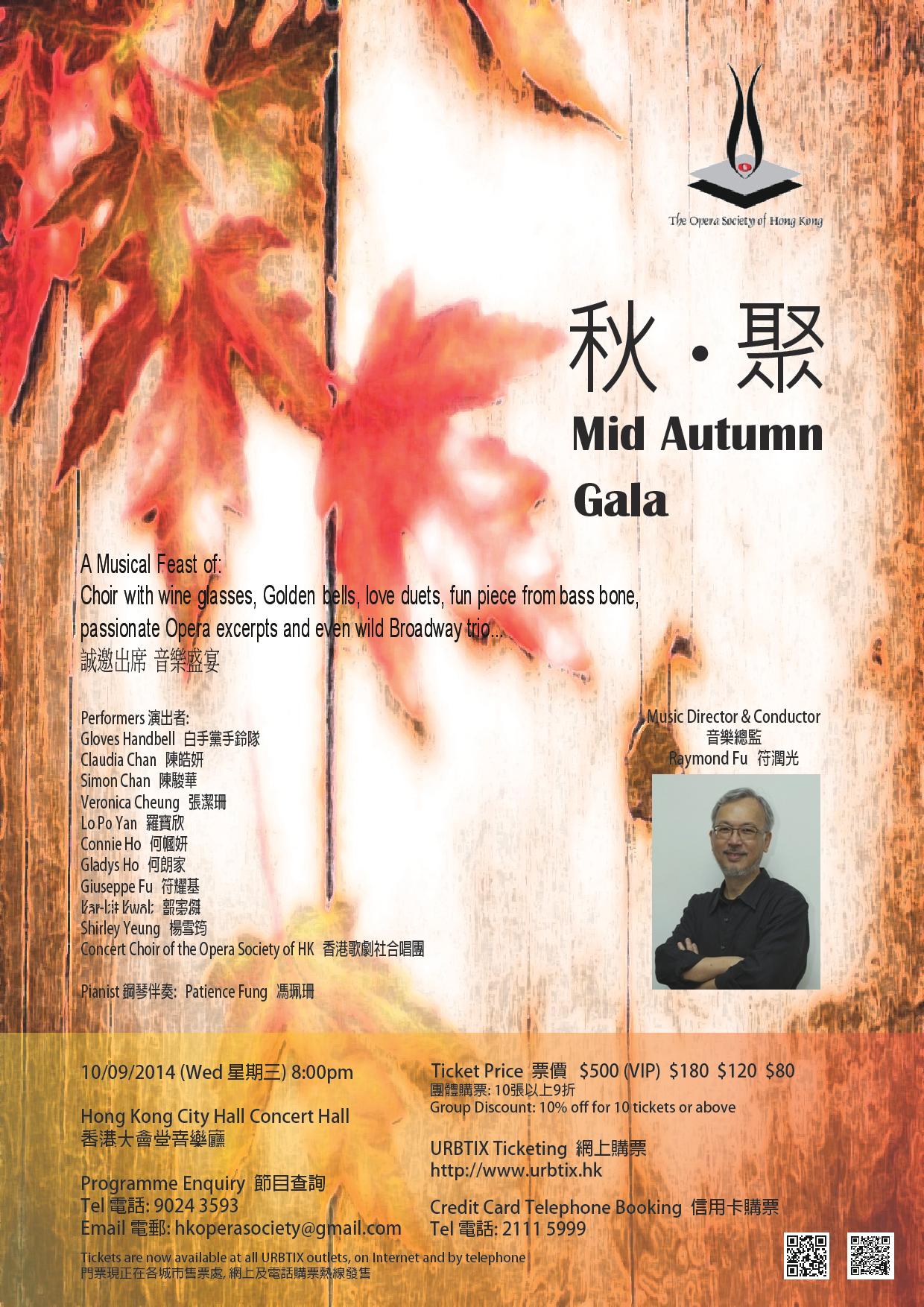
A Musical Feast of...
Choir with wine glasses, golden bells, love
duets, fun piece from bass bone, passionate opera excerpts and even
wild Broadway trio.
Date: Wednesday, September 10, 2014
Time: 8:00pm
Place: Concert Hall, Hong Kong City Hall, Central
Facebook event: http://www.facebook.com/events/353096341508668
|
|
|
Performers
Gloves Handbell
Claudia Chan
Simon Chan
Veronica Cheung
Connie Ho
Lo Po Yan
Giuseppe Fu
Gladys Ho
Kar-kit Kwok
Jessica Ng
Shirley Yeung
Angelic Singers
Concert Choir of the Opera Society of Hong Kong, which will sing:
1. Stars by Eriks Esenvalds
2. J'entends le moulin (I hear the millwheel), arr. Donald Patriquin
3. The Battle of Jericho, traditional spiritual, arr. Moses Hogan
(Hear we sing The Battle of Jericho.)
Pianist: Patience Fung
Music Director & Conductor: Raymond Fu
Tickets: $500 (VIP), $180,$120, $80. Available at URBTIX.
Programme Enquiry:
Tel: 9024 3593
Email: hkoperasociety@gmail.com
|
|
|
Embracing the World |
|
|
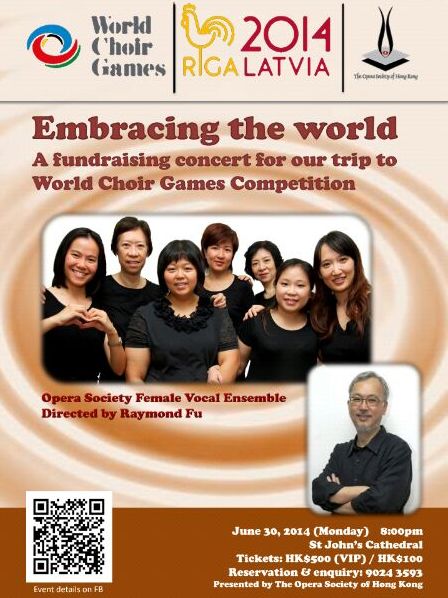
** Pre-World Choir Games Fundraising Concert ** Come and support the Opera Society of Hong Kong's Female Vocal Ensemble for our trip to the World Choir Games (WCG), July 2014, in Riga, Latvia! To better prepare for the Riga competition, we have arranged a Pre-Tour Fundraising Concert: Date: Monday, June 30, 2014 Time: 8:00pm Place: St. John's Cathedr al, Garden Road, Central
|
|
|
The Opera Society Female Vocal Ensemble
Directed by Raymond Fu
Programme includes songs to be sung in competition - works by Latvian composer ˆZriks Esenvalds, Finnish composer Jaakko Mantyjarvi, Norwegian composer Ola Gjeilo, American singer-songwriter Billy Joel,
and songs in Chinese. This is a refreshing and resounding programme to
be presented in a tranquil cathedral ambiance and surely not to be
missed.
Our target is to raise
HK$50,000 in sponsoring the Society, a non-profit making organization,
as well as its passionate singers. This concert will not only showcase
our choral group that is going to compete at the Female Vocal Ensembles
category at the WCG, but will also include performances given by guest
singers who are also our donors and supporters.
Please contact
us if you are interested to join this concert as performers, donors
and/or audience. Tickets at $500 (VIP) and $100 (free seating) are
available now.
Ticket reservation and enquiry: 90243593.
Facebook event: http://www.facebook.com/events/683360795063450
|
|
|
Opera Fever II - Love |
|
|
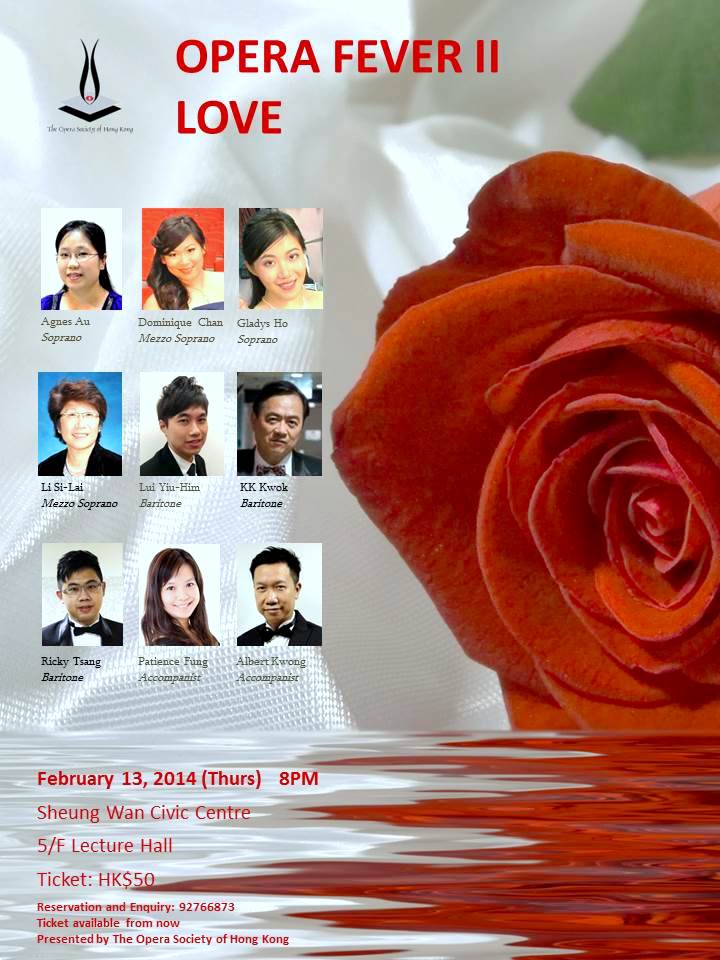
OSHK Members' Mini Concert, our second in the series since Opera Fever in September 2013. Come hear a special programme of songs, duets, and ensembles on the theme of love by our members on the eve of Valentine's Day!
Date : 13 February 2014 (Thursday)
Time : 8pm
Venue : 5/F, Lecture Hall, Sheung Wan Civic Centre
Eligibility : OSHK Society Member / Chorus Member
Tickets: $50
Reservation and enquiry: 92766873
Members' sign-up.
Facebook event.
|
|
|
Programme
Lui Yiu Him
Chanson Triste by Duparc
"Come paride vezzoso" (L'Elisir d'Amore) by Donizetti
Agnes Au
"Deh Vieni, non tardar" (Le Nozze di Figaro) by Mozart
"Batti batti, o bel Masetto" (Don Giovanni) by Mozart
Kwok Kar Kit
"La ci darem la mano" (Don Giovanni) by Mozart
Musica Proibita by Gastoldoni
Li Si-lai
Plaisir d'amour by Martini
"Che faro senza Euridice" (Orfeo ed Euridice) by Gluck
Dominique Chan
"E' sgombro il loco..Un bacio un bacio ancora" (Anna Bolena) by Donizetti
Calypso by Benjamin Britten
Ricky Tsang
None but the lonely heart by Tchaikovsky
"Non piu andrai" (Le Nozze di Figaro) by Mozart
Gladys Ho
"E' strano! e' strano...Sempre libera" (La Traviata) by Verdi
Chorus
Caleno Custure Me, an Irish love song
Act II Finale (Turandot) by Puccini
Accompanists: Patience Fung, Albert Kwong, Jeremy Leung
|
|
|
Rigoletto 2013 |
|
|
An opera in 3 acts by Giuseppe Verdi.
Performed in Italian with Chinese and English subtitles.
4 performances at the Concert Hall, Hong Kong City Hall:
13 December 2013 (Fri) 7:45pm
14 December 2013 (Sat) 2:45pm
14 December 2013 (Sat) 7:45pm
15 December 2013 (Sun) 2:45pm
A Musica Viva production:
Music Director: Lio Kuok-man
Producer & Director: Lo King-man
Chamber Orchestra: Hong Kong Virtuosi
Chorus: The Opera Society of Hong Kong
Chorusmaster: Raymond Fu
Lighting: Peter Li
Costumes: Mandy Tam
Sets: Allan Tsui
Ticketing: $600, $450, $300, $150, available from 9 August 2013 onwards at URBTIX
The Opera Society of Hong Kong last performed Rigoletto in 1993.
Audition for Rigoletto (closed 31 August 2013):
http://tinyurl.com/operasociety-aud-130915
Facebook event.
The Cast
Rigoletto (Baritone); Michael Corvino (1)(3); Daniel Sutin (2)(4)
Gilda (Soprano): Sang Eun Lee (1)(3)(4); Colette Lam (2)
Duke of Mantua (Tenor): Todd Wilander (1)(3); Jeffrey Hartman (2)(4)
Sparafucile (Bass): Freddie Tong
Maddalena (Mezzo-soprano): Carol Lin
Monterone (Baritone): Sammy Chien
(1) 13 Dec 7:45pm; (2) 14 Dec 2:45pm; (3) 14 Dec 7:45pm (4) 15 Dec 2:45pm
|
|
|
Programme
Rigoletto is an opera in three acts by the Italian genius Giuseppe Verdi, set to a libretto by Francesco Maria Piave based on the play Le roi s'amuse by Victor Hugo. Premiered in Venice in 1851, the work was Verdi's first international triumph and ranks among the most frequently performed operas in the world. The protagonist of the tragic story is a hunch-backed court jester who encourages his master, the Duke of Mantua, to indulge in a licentious and lustful life until his own daughter, Gilda, falls victim to the Duke's seduction. Rigoletto's plot to have his master murdered backfires and results in Gilda's death. Verdi imbued this work with enchanting melodies, strong dramatic situations, powerful characterization and intense emotions. This special production by Musica Viva of Hong Kong features a team of world-renowned opera stars who have sung with the Metropolitan Opera of New York, Chicago Lyric Opera, Royal Opera of London and some of the most prestigious companies world-wide, performing with excellent young artists of Hong Kong. The production is directed by Lo King-man and conducted by Lio Kuok-man.
|
|
|
Opera Fever - OSHK Members' Mini Concert |
|
|
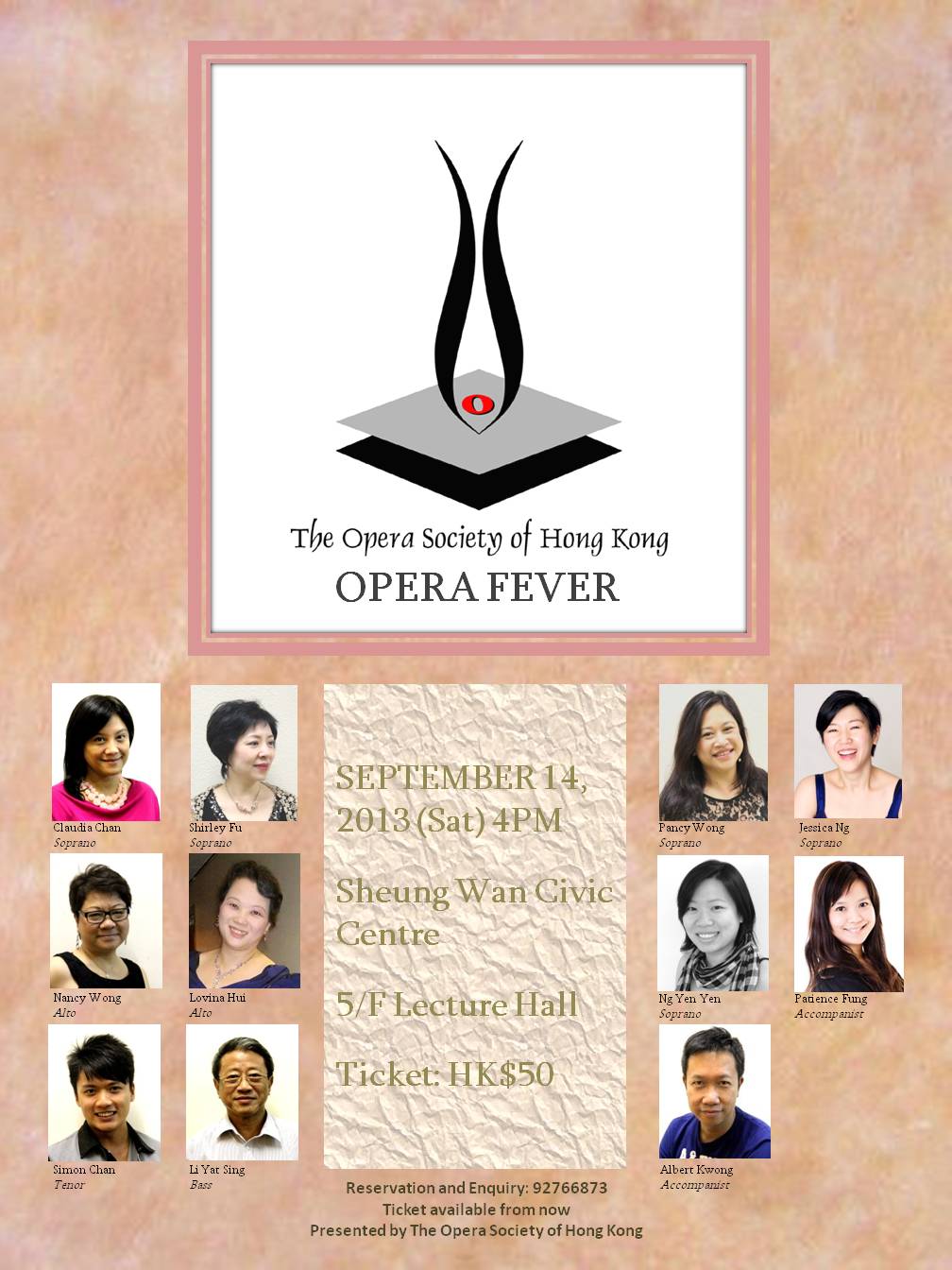
Date : 14 September 2013 (Saturday)
Time : 4pm
Venue : 5/F, Lecture Hall, Sheung Wan Civic Centre
Eligibility : OSHK Society Member / Chorus Member
Tickets: $50
Reservation and enquiry: 92766873
Members' sign-up (now closed).
Facebook event.
|
|
|
Programme
Duet: "Sull'aria" from Le nozze di Figaro by Mozart
Shirley Yeung, Soprano and Jessica Ng, Soprano
"Connais-tu le pays" from Mignon by Thomas
Nancy Li, Mezzo-soprano
"Art is calling for me" from The Enchantress by Victor Herbert
"Think of me" from The Phantom of the Opera by Andrew Lloyd Webber
Claudia Chan, Soprano
"Recondita armonia" from Tosca by Puccini
"Heidenroslein" by Schubert
Simon Chan, Tenor
"Je suis encor tout etourdie" from Manon by Massenet
"O mio babbino caro" from Gianni Schicchi by Puccini
Ng Yen Yen, Soprano
"Piangero la sorta mia" from Giulio Cesare by Handel
Lovina Hui, Alto
"Der Hoelle Rache" from Magic Flute by Mozart
Jessica Ng, Soprano
"Per me giunto" from Don Carlo by Verdi
"L'ultima Canzone" by Tosti
Li Yat Sing, Baritone
"Si, michiamano Mimi" from La Boheme by Puccini
Shirley Yeung, Soprano
"Pace, pace" from La forza del destino by Verdi
Pancy Wong, Soprano
"Amigos para siempre" by Andrew Lloyd Webber
All singers
Accompanists: Albert Kwong, Patience Fung
|
|
|
Cavalleria Rusticana & I Pagliacci |
|
|
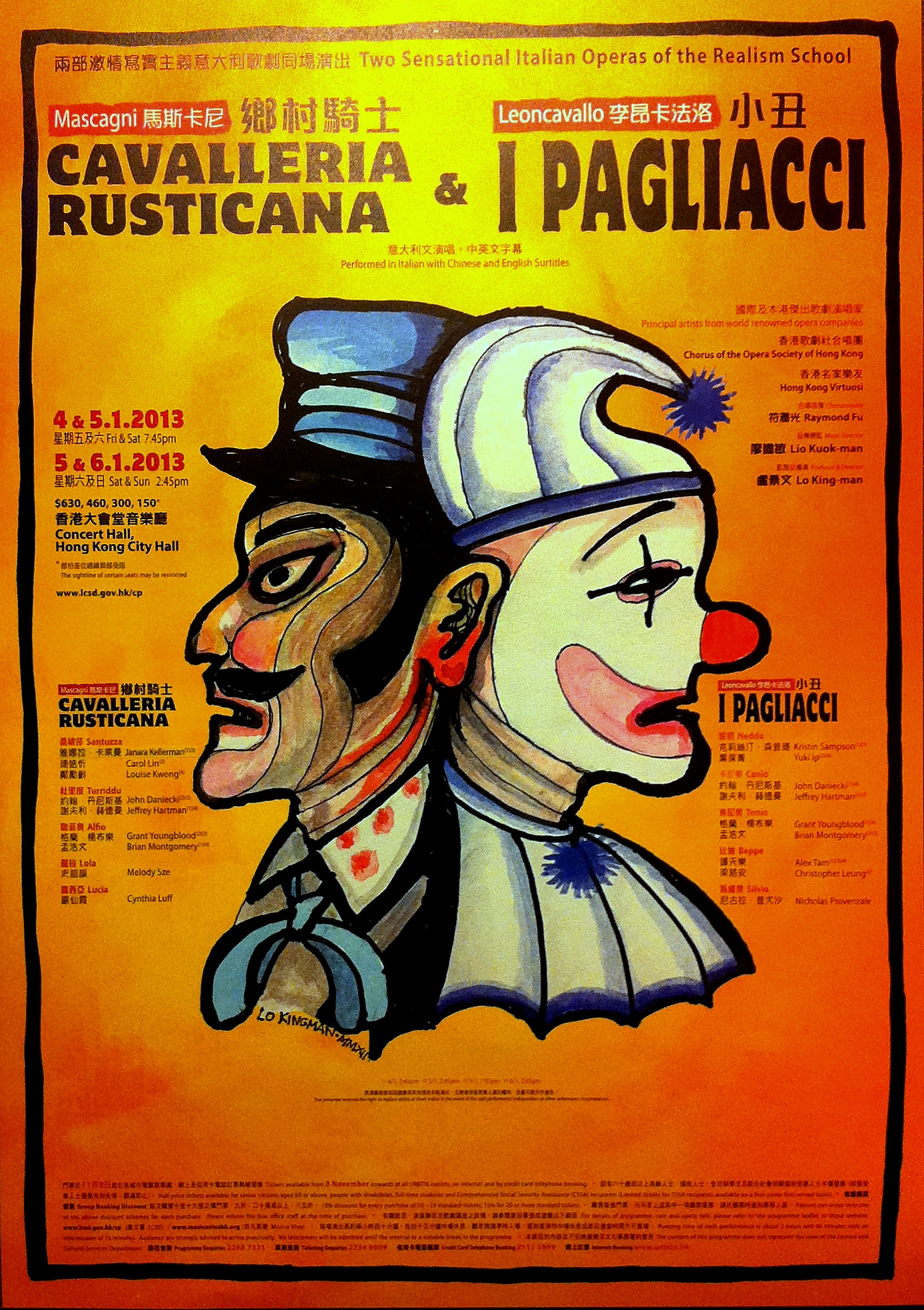
LCSD presents Opera - Double-bill:
Mascagni's Cavalleria Rusticana & Leoncavallo's I Pagliacci
Date: 4-6 January 2013 (Fri-Sun)
Time: 7:45pm on 4 & 5 Jan;
2:45pm on 5 & 6 Jan
Place: Concert Hall, Hong Kong City Hall
Two sensational Italian operas of the Realism School performed in Italian with Chinese and English subtitles.
A Musica Viva Production.
Music Director: Lio Kuok-man
Producer & Director: Lo King-man
Chorusmaster: Raymond Fu
Chamber Orchestra: Hong Kong Virtuosi
Tickets $630, $460, $300, $150 now available at all URBTIX outlets, on Internet and credit card telephone booking. Half-price tickets available for senior citizens, people with disabilities and full-time students. Group booking discount also available.
Programme Enquiries 2268 7321
Ticketing Enquiries 2734 9009
Credit Card Telephone Booking 2111 5999
Internet Booking www.urbtix.hk
Audition for Opera Double-bill (now closed).
Facebook event.
Concert review by Prof Rupert Chan, Hong Kong Economic Journal, 23 January 2013 (in Chinese).
|
|
|
The Cast
Cavalleria Rusicana
Santuzza: Janara Kellerman (1)(3), Mezzo-soprano; Carol Lin (2), Mezzo-soprano; Louise Kwong (4), Soprano
Turriddu: John Daniecki (2)(3), Tenor; Jeffrey Hartman (1)(4), Tenor
Alfio: Grant Youngblood (2)(3), Baritone; Brian Montgomery (1)(4), Baritone
Lola: Melody Sze, Mezzo-soprano
Lucia: Cynthia Luff, Mezzo-soprano
I Pagliacci
Nedda: Kristin Sampson (1)(3), Soprano; Yuki Ip (2)(4), Soprano
Canio: John Daniecki (1)(4), Tenor; Jeffrey Hartman (2)(3), Tenor
Tonio: Grant Youngblood (1)(4), Baritone; Brian Montgomery (2)(3), Baritone
Beppe: Alex Tam (1)(3)(4), Tenor; Christopher Leung (2), Tenor
Silvio: Nicholas Provenzale, Baritone
Performances (1): 4 Jan; (2): 5 Jan at 2:45pm; (3): 5 Jan at 7:45pm; (4): 6 Jan
Chorus of The Opera Society of Hong Kong
Chorusmaster: Raymond Fu
Synopsis
Cavelleria Rusticana
The story is set in a Sicilian village around 1890. On Easter morning, Turiddu is heard singing about his beloved, Lola, who is now married to the merchant-carter, Alfio. Santuzza, a young woman who has been seduced and impregnated by Turiddu, arrives at the tavern of his mother, Lucia. Santuzza is desperate because of her heavy sense of guilt. The dialogue of the women is interrupted by the entrance of Alfio. Despite his outspoken pride and affection for his wife, Alfio also becomes suspicious of Turiddu's relationship with Lola. While the villagers are attending mass, Santuzza encounters Turiddu. She confronts him and hopes to win him back. However, all is in vain. Not only does Turiddu forsake her, she is also mocked by Lola who passes by. Santuzza curses Turiddu as he enters church after Lola. Out of rage and jealousy, Santuzza revenges by revealing the affair to Alfio.
The action is suspended by the idyllic Intermezzo. After the mass, Turiddu and the villagers gather for wine at the tavern. Alfio's refusal to drink with Turridu provokes a challenge to a duel of knives. According to a long tradition of rustic chivalry, Turiddu takes the initiative with an embrace and a bite on Alfio's right ear, meaning the two shall fight till death. Turiddu bids an impassioned farewell to his mother and asks her to take care of Santuzza if he does not return. As the duel takes place in a nearby orchard, Mamma Lucia and Santuzza wait anxiously. Blood-curdling shouts are heard in the distance. A woman stumbles in, crying "Turiddu has been killed."
I Pagliacci
Prologue. The story takes places on the Feast of Assumption in a Calabrian village in southern Italy around 1870. Before the curtain rises, the actor Tonio delivers a prologue, telling the audience they will see a real-life drama.
Act I. The curtain rises with the arrival of a troupe of traveling actors, greeted enthusiastically by the village folk. Canio, the head of the troupe, describes that night's offering. When someone jokingly suggests that Tonio is secretly attracted to his young wife, Nedda, he vehemently cautions that he will tolerate no such thing. As Canio takes off with fellow actor Beppe to join the villagers in a tavern, Nedda is left alone. Worried that Canio might soon discover her affair with Silvio, one of the villagers, she sings of her longing for freedom. Tonio sneaks in and tries to make love to Nedda. She scorns him and repels him with a whip. Tonio leaves, swearing vengeance. Silvio arrives and persuades Nedda to elope with him at midnight. The rendezvous is seen by Tonio, who seizes the chance to break the news to Canio. The enraged husband bursts in, Silvio escapes in time and Nedda is threatened at knifepoint to reveal her lover's name, but she adamantly refuses. Tonio advises Canio to catch Nedda's lover in the evening. As Canio dons his costume and makeup for the play, he expresses his bitterness for the life of a clown - he must laugh although his heart is breaking.
Act II. As night falls, the villagers eagerly anticipate the featured comedy, Pagliaccio e Colombina. In the absence of her husband, Pagliaccio (Canio), Colombina (Nedda) dismisses her servant, Taddeo (Tonio) and sets the table for dinner with her lover Arlecchino (Beppe). Pagliaccio returns home unexpectedly and Arlecchino escapes through the window. Taddeo mockingly assures Pagliaccio of his wife's innocence. The parallels between Pagliaccio and himself fuel Canio's jealousy to no end. No longer playing the comedy, Canio demands that Nedda reveal her lover's name. Despite Nedda's futile effort to continue playing her part, Canio's blood-thirsted demeanor can no longer be restrained. He stabs Nedda and then Silvio, who has revealed himself from the crowd and tries to intervene. The audience, who has previously marvelled at the realism of the play, is left dumbfounded as Canio cries out "the comedy is ended."
|
|
|
20th Anniversary Gala Concert |
|
|
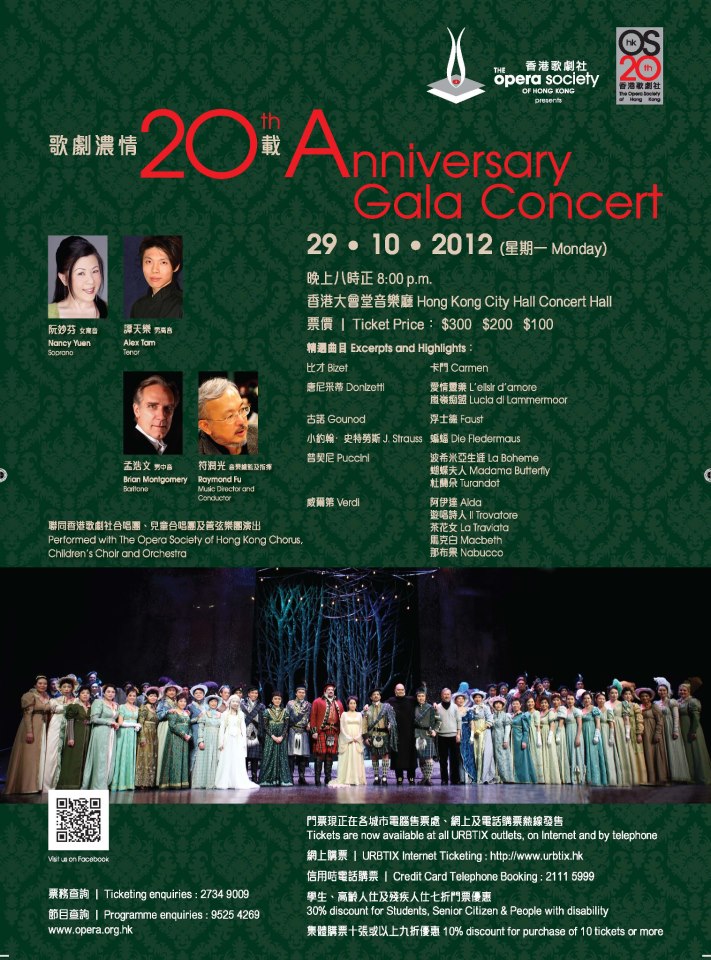
** Opera Passion for 20 Years **
Celebrating our milestone in performing over 20 operas in the past 20 years, maintaining a high standard of performance, and promoting local opera production and appreciation.
Come join us in our 20th Anniversary Gala Concert this October! We will be singing many favorite opera choruses from our repertoire. Also, special performances by guest soloists who have performed with us over the years and children's chorus.
|
|
|
Date: Monday, 29 October 2012
Time: 8:00pm
Venue: Concert Hall, City Hall, Hong Kong
Soloists: Nancy Yuen, Alex Tam, Brian Montgomery
Chorus and Orchestra of The Opera Society of Hong Kong
Conducted by Raymond Fu
Programme:
Favorite opera choruses from our repertoire:
Triumphal March from Aida by Verdi
Humming Chorus from Madama Butterfly by Pucinni
Soldiers' Chorus from Faust by Gounod
Anvil Chorus from Il Trovatore by Verdi
Witches Chorus from Macbeth by Verdi
"Va, pensiero" from Nabucco by Verdi
Finale "Im Feuerstrom der Reben" from Act II, Die Fledermaus by Johann Strauss II
Finale from Turandot by Puccini
Chorus with soloists, children's chorus, guest soloists, and special opera excerpts:
"Avec la garde montane" from Carmen by Bizet
"Les voici" from Carmen by Bizet
Toreador Song from Carmen by Bizet
"Un bel di, vedremo" from Madama Butterfly by Puccini
"Si, mi chiamano Mimi" from La Boheme by Puccini
"Quanta e Bella" from L'elisir d'amore by Donizetti
"Cruda funesta smania" from Lucia di Lammermoor "Donizetti
Excerpts from Act I, Turandot by Puccini
Ticketing: $300 $200 $100
Tickets will be available at all URBTIX outlets, on Internet and by telephone from late September 2012.
URBTIX Internet Ticketing: http://www.urbtix.hk
Credit Card Telephone Booking: 21115999
30% discount for Students and Senior Citizen.
10% discount for purchase of 10 tickets or more.
Audition for new chorus members to join in our 20th Anniversary Concert (now closed).
"Opera Passion" 20th Anniversary Gala Concert reviews:
Review by Prof Liu Ching-chih, Hong Kong Economic Journal, 7 November 2012 (in Chinese)
Review by Prof Rupert Chan, Hong Kong Economic Journal, 15 November 2012 (in Chinese)
|
|
|
Lucia di Lammermoor 2012 |
|
|
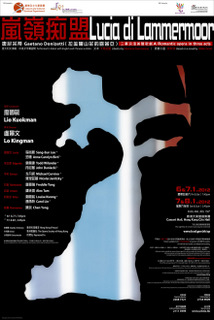
Date: 6-8 January 2012 (Fri-Sun)
Time: 7:45pm on 6 & 7 Jan; 2:45pm on 7 & 8 Jan
Venue: Concert Hall, Hong Kong City Hall
Presented by LCSD, Donizetti's romantic opera Lucia di Lammermoor is set in the Lammermuir Hills (Lammermoor) of Scotland in the 17th century and tells the story of the emotionally fragile Lucy Ashton (Lucia), caught in a family feud between her own family and the Ravenswoods that ultimately leads to tragedy.
Lucia's "Mad Scene", "Il dolce suono... Spargi d'amaro pianto", a technically and expressively demanding piece, has historically been a vehicle to lift the careers of many a coloratura sopranos to stardom, and together with other popular arias such as "Regnava Nel Silenzio" and "Verranno a te sull'aure", has made Lucia di Lammermoor one of the most performed operas of all time.
Producer/Director: Lo Kingman
Conductor: Lio Kuokman
Chorusmaster: Raymond Fu
|
|
|
The Cast
Lucia: Sang-Eun Lee, Anne Carolyn Bird
Edgardo: Todd Wilander, John Daniecki
Enrico: Michael Corvino, Nicolai Janitzky
Raimondo: Freddie Tong
Arturo: Alex Tam
Alisa: Louise Kwong, Carol Lin
Normanno: Chen Yong
Chorus of The Opera Society of Hong Kong
The Opera Society of Hong Kong was established in 1992 by a group of dedicated singers. The Society has since fulfilled its mission to actively promote western opera and vocal music in the community in Hong Kong, while maintaining an outstanding standard of performance. With the vision of keeping abreast with world-renowned choruses, the Chorus strives to attain a professional standard. Since its establishment, the Chorus has performed over 20 operas and a rich choral repertoire. The Chorus made its highly successful debut in the Mainland in 1999 and was invited by the Guangzhou Symphony Orchestra to join their Millennium Concerts in Dongguan and Guangzhou. The Chorus has also worked with famous orchestras such as the Academy of St. Martin in the Fields and the Hong Kong Philharmonic Orchestra. In 2005, 2006 and 2008, the Chorus was invited by the RTHK Radio 4 to participate in the Christmas Eve concerts and performed Handel?s Messiah, Vivaldi?s Gloria and A World Christmas. Recent performances including La Perichole in Le French May 2008, Musica Viva?s productions Madama Butterfly (2009), La Fille du Regiment (2010) and L?Elisir d?Amore (2011). In May 2010, the Chorus of the Opera Society of Hong Kong performed with tenor Andrea Bocelli on his Asia tour stop in Hong Kong. The Opera Society recognizes the importance of its members? musical and technical development and offers frequent opportunities for masterclasses and advanced training.
Chorusmaster: Raymond Fu
Rehearsal Pianist: Ronald Cheung
Soprano
Au Ho-yan, Agnes
Birkun Oksana
Claudia Chan
Shirley Fu
Ho Kwok-in, Connie
Katherine Kwong
Leung Po-pui, Noel
Li Si-lai
Angel Man
Jessica Ng
Ng Yee-kiu, Erica
Mylthie Wong
Pancy Wong
Wu Sui-sin,Vicki
Alto
Lora Chow
Chui Shing-yan, Janet
Fung Kong Hoi-yee, Selana
Ho Yuen-man, Flavia
Lovina Hui
Amy Lai
Law Pui-ha
Rita Leung
Nancy Li
Connie Ng
Yip Chi-kwan, Yvonne
Tenor
Chan Kam-hung
Chan Cheuk-hei, Andrew
Cheung Man-yee, Leslie
Hung Sze-hang, Edison
Ngan Ka-lok, Henry
Orlando
Poon Ian-hay, Isaac
Poon Kit-sang, Anthony
Ting Ka-lam
Steve Tse
Wong Chi-lok
Yau Kai-chung
Yeung Yun-loong
Bass
Bettinelli dal Cin, Andrea
Po Chan
Kwok Kar-kit
Albert Kwong
Lam Chun-ting, Michael
Li Yat-sing
Mak Kin-chee, Eddy
Phillip McDonald
Jacob Ng
|
|
|
L'Elisir d'Amore |
|
|

Date: 21, 22, 23 January 2011 (Fri-Sun)
Time: 8:00 pm (additional 3:00 pm matinee show on 22 Jan 2011)
Venue: Concert Hall, Hong Kong City Hall
L'Elisir d'Amore (The Elixir of Love) is a comic opera in 2 Acts sung in Italian with Chinese and English subtitles. Libretto by Felice Romani after Le Philtre by Eugene Scribe.
Producer/Director: Lo Kingman
The Opera Society of Hong Kong
Chorusmaster: Raymond Fu
Chamber Orchestra: Hong Kong Virtuosi
Conductor: Lio Kuok-man
Set Designer: Allan Tsui
Lighting Designer: Maggie Law
Costume Designer: Lau Chung-yan
A Musica Viva Production.
"A stronger production all round, it's a big step forward for the troupe.... A notable strength is the impressively well-balanced, focused singing by the Opera Society Chorus.'"- review by South China Morning Post, 25 January 2011, on the opening performance.
Event on Facebook.
|
|
|
Soloists
Nemorino: Dominic Armstrong, Alex Tam
Adina: Christina Haldane, Stefanie Izzo
Dulcamara: David Ward, Freddie Tong
Belcore: Benjamin Bloomfield, Albert Lim
Giannetta: Lam Wing-wing, Sandy Leung
Chorus of The Opera Society of Hong Kong
The Opera Society of Hong Kong was established in 1992 by a group of dedicated singers. The Society has since fulfilled its mission to actively promote western opera and vocal music in the community in Hong Kong, while maintaining an outstanding standard of performance. With the vision of keeping abreast with world-renowned choruses, the Chorus strives to attain a professional standard. Since its establishment, the Chorus has performed over 15 operas and a rich choral repertoire. The Chorus made its highly successful debut in the Mainland in 1999 and was invited by the Guangzhou Symphony Orchestra to join their Millennium Concerts in Dongguan and Guangzhou. The Chorus has also worked with famous orchestras such as Academy of St. Martin in the Fields and the Hong Kong Philharmonic Orchestra. In September 2004, the Chorus received high acclaims in the performance of opera Faust, which was directed by Lo Kingman. In 2005, 2006 and 2008, the Chorus was invited by the RTHK Radio 4 to participate in the Christmas Eve concerts and performed Handel's Messiah, Vivaldi's Gloria and ?A World Christmas?. Recent performances including La Perichole in Le French May 2008, Musica Viva?s productions Madama Butterfly (2009), La Fille du Regiment (2010) and L'E'lisir d'Amore (2011). In May 2010, the Chorus of the Opera Society of Hong Kong performed with tenor Andrea Bocelli in his Asia tour stop in Hong Kong. The Opera Society recognizes the importance of its members? musical and technical development and offers frequent opportunities for masterclasses and advanced training.
Chorusmaster: Raymond Fu
Rehearsal Pianist: Ronald Cheung
SOPRANO
Au Ho-yan, Agnes
Roxana Castillo
Shirley Fu
Ho Kwok-in, Connie
Katherine Kwong
Amy Lai
Winnie Lee
Li Si-lai
Angel Man
Ng Yee-kiu, Erica
Tse Fong-chung, Jessie
Pancy Wong
ALTO
Chui Shing-yan, Janet
Ho Yuen-man, Flavia
Lovina Hui
Lam Wai-yee, Maria
Law Pui-ha
Veronica Leung
Rita Leung
Connie Ng
Yip Chi-kwan, Yvonne
TENOR
Chan Kam-hung
Cheung Man-yee, Leslie
Chung Chi-wing
Hung Sze-hang, Edison
Felix Lam
Orlando
Poon Kit-sang, Anthony
Poon Ian-hay, Isaac
Ting Ka-lam
Wong Chi-lok
Yau Kai-chung
Yeung Yun-loong
Eugene Yip
BASS
Chan Kam-yan, Eddie
Chan Po
Kwok Kar-kit
Albert Kwong
Lam Chun-ting, Michael
Li Yat-sing
Mak Kin-chee, Eddy
Phillip McDonald
Pong Chung-lam
|
|
|
Andrea Bocelli in Asia 2010 |
|
|
|
Date:
|
4 May 2010 (Tue)
|
|
Time:
|
8:00 pm
|
|
Venue:
|
Hall 5BC, Hong Kong Convention and Exhibition Centre
|
|
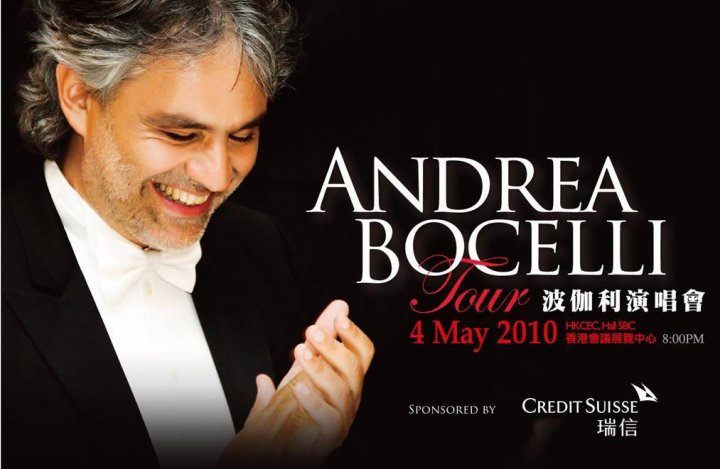
The Opera Society of Hong Kong Chorus joined the
world-renowned tnor Andrea Bocelli in his Asia 2010 tour stop in Hong Kong.
|
|
|
|
Tenor:
Andrea Bocelli
Conductor:
Eugene Kohn
Soprano:
Sabina Cvilak
Flute:
Andrea Griminelli
Special
Guest: Delta Goodrem
Philharmonic
Taiwan
Chorus
of The Opera Society of Hong Kong
Chorusmaster: Raymond Fu
Programme:
Operatic excerpts
Verdi:
La donna e'mobile
from 'Rigoletto'
Mascagni:
Brindisi from 'Cavalleria rusticana'
Cilea:
Io son l'umile ancella from 'Adriana Lecouvreur'
Verdi:
Di quella pira from 'Il trovatore'
Puccini:
O soave fanciulla from 'La Boheme'
Gounod:
Kermesse Waltz from 'Faust'
Gounod:
Il se fait tard from 'Faust'
Verdi:
Brindisi from 'La Traviata'
Selections from Andrea Bocelli's bestselling albums
Titomaglio:
Voglio vivere cosi
Aniello:
Vieni sul mar
Cottrau:
Santa Lucia
Lara:
Granada
Monti:
Czardas
Denza:
Funiculi, funicula
Sartori: Canto della terra
|
|
|
La Fille du Regiment |
|
|
|
Date: |
29-31 January 2010 (Fri-Sun) |
|
Time: |
8:00 pm (matinee show 3:00 pm on 30 Jan 10) |
|
Venue: |
Concert Hall, City Hall, Hong Kong |
|
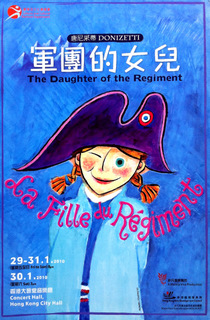
Hong Kong premiere of Donizetti's first opera in French La Fille du Regiment (The Daughter of the Regiment) - a comic opera in 2 acts. Sung in French with Chinese and English subtitles.
Music: Gaetano Donizetti
Libretto: Jules Henri Vernoy de Saint-Georges and Jean-Francois-Alfred Bayard
Performance Version: Lo King-man
Opera Society of Hong Kong, Raymond Fu, Chorusmaster.
Hong Kong Virtuosi (Chamber ensemble), Lio Kuok-man, Conductor. |
Producer/Director: Lo King-man
Set Designer: Moe Mo
Costume Designer: Lau Chung-yan
Lighting Designer: Maggie Law
Chorusmaster: Raymond Fu
Orchestra Artistic Administrators: Ray Wong, Yiu Song-lam
Repetiteurs: Lily Yeung, Felix Suen
Dialogue and Drama Coach: Brenda Scofield
French Diction Coach: Ariele Zanini
Dance Mistress: Mandy Petty
Assistant to Director: Cindy Leung
A Musica Viva production.
Event on Facebook.
|
|
|
The Cast
Marie: Christina Raphaelle Haldane / Lam Wing-wing
Tonio: John Zuckerman / ChenYong / Alex Tam
Sulpice: Brian Montgomery
La Marquise: Melody Sze / Carol Lin
Hortensius: Albert Lim
Duchess: Brenda Scofield
La Maestra: Nancy Loo
Dance Mistress: Mandy Petty
Break Dancers: Hugh Cho & Travis Pang
Corporal: Pong Chung-lam
Peasant/Notary: Orlando
Captain Robert: Hugh Osborne
Marie at 6 : Aria Anne Campbell
Marie at 10: Brooke Foskey / Choi Hang-kiu
Marie at 14: Law Wing-lai,Vanessa / Mok Wing-chit, Esther
Fascist Spies: Aaron Ang & Andrew Chan
Synopsis
The story took place from 1926 to 1944. Marie, found abandoned as a baby on the battlefield, was adopted and raised by soldiers. She is the darling of the regiment. When a Marquise tells the Sergeant that Marie is actually her niece and she must leave the regiment, the troops are heartbroken. The Marquise plans to educate and marry Marie in a manner befitting a lady of quality, but Marie wants only to return to her regiment and Tonio, the man she loves.
Overture 1926 to 1944, the upbringing of an abandoned child.
Act I 1944, a village near the Camp of the 21st Regiment of the French Army.
Act II At the Marchioness?summer residence, a chateau in the Alpine region.
Chorus of The Opera Society of Hong Kong
The Opera Society of Hong Kong was established in 1992 by a group of dedicated singers. The Society has since fulfilled its mission to actively promote western opera and vocal music in the community in Hong Kong, while maintaining an outstanding standard of performance. With the vision of keeping abreast with world-renowned choruses, the Chorus strives to attain a professional standard. Since its establishment, the Chorus has performed over 15 operas and a rich choral repertoire. The Chorus made its highly successful debut in the Mainland in 1999 and was invited by the Guangzhou Symphony Orchestra to join their Millennium Concerts in Dongguan and Guangzhou. The Chorus has also worked with famous orchestras such as Academy of St Martin in the Fields and the Hong Kong Philharmonic Orchestra. In September 2004, the Chorus received high acclaims in the performance of opera Faust, which was directed by Lo King-man. In 2005 and 2006, the Chorus was invited by the RTHK Radio 4 to participate in its Christmas Eve concerts and performed Handel's Messiah and Vivaldi's Gloria. The Opera Society recognizes the importance of its member' musical and technical development and offers frequent opportunities for masterclasses and advanced training.
Chorusmaster: Raymond Fu
Rehearsal Pianist: Ronald Cheung
French Coach: Emmanuel Petit, Ronald Cheung
Soprano
Cheung Kit-shan, Veronica
Gladys Ho
Ho Kwok-in, Connie
Ho Yuen-man, Flavia
Katherine Kwong
Amy Lai
Noel Leung
Li Si-Iai
Li Zhen,Jennie
Angel Man
Ng Yen-yen
Mylthie Wong
Pancy Wong
Yip Chi-kwan,Yvonne
Alto
Marilyn Cheng
Lam Wai-yee, Maria
Law Pui-ha
Rita Leung
Veronica Leung
Nancy Li
Tenor
Butt Hiu-tung
Chan Kam-hung
Chan Cheuk-hei, Andrew
Chung Chi-wing, Andrew
Hung Sze-hang, Edison
Lam Chung-ming, Simon
Felix Lam
Lau Wai-yan, Will
Orlando
Emmanuel Petit
Poon Kit-sang, Anthony
Sing Yiu-wah
Hugh Tyrwhitt-Drake
Wong Chi-lok
Yau Kai-chung
Yeung Yun-loong
Yeung Tat-ming, David
Cheung Man-yee, Leslie
Ngan Ka-lok, Henry
Bass
Aaron Ang
Chan Kam-yan, Eddie
Chan Po-yau
Ho Man-hei, Joseph
Ip Ting-fung, Barry
Li Yat-sing
Mak Kin-chee, Eddy
Phillip McDonald
Pong Chung-lam
Tang Sai-kin
Yuen Wai-chung, David
Lee Yick-kwong, Chris
Ronald Cheung
|
|
|
Madama Butterfly 2009 |
|
|
|
Date: |
2-4 January 2009 (Fri-Sun) |
|
Time: |
7:30 pm (matinee show 2:30 pm on 4 Jan 09) |
|
Venue: |
Concert Hall, Hong Kong City Hall |
|
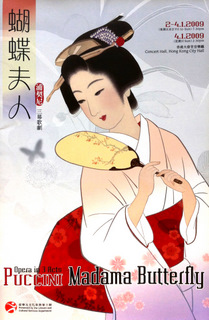
Puccini's popular three-act opera is a poignant tale of exotic love, betrayal, honour and sacrifice, and delivers a bittersweet experience of love and loss. The Opera Society of Hong Kong performed this full-scale opera for the second time, having first performed Madama Butterfly in 2002.
Mr Lo King-man, Producer/Director
Opera Society of Hong Kong, Raymond Fu, chorusmaster
Hong Kong Virtuosi Chamber Orchestra, Carmen Koon, conductor
A Musica Viva production. |
|
|
|
The Cast
Nancy Yuen, Wu Guoling and Yuki Ip as Butterfly
Michael Wade Lee and David Robinson as Pinkerton
Deng Yun, Carol Lin and Chen Xiao as Suzuki
Brian Montgomery as Sharpless.
Synopsis
On a terrace above the harbour in Nagasaki, Japan, US Navy Lieutenant B F Pinkerton inspects the house he has leased from a marriage broker, Goro, who has procured him a geisha wife known as Madama Butterfly. For the moment, he is enchanted with the fragile Butterfly and intends to go through a marriage ceremony with her. However, in his mind, he will one day take a "real" American wife. Pinkerton returns to battle. Three years later, Butterfly still waits for her husband's return. One day, she discovers Pinkerton's ship entering the harbour. Delirious with joy, she dons her wedding gown and, with her son, waits for her husband's return. As dawn breaks, Pinkerton and his new wife Kate enter. Butterfly tearfully sobs a farewell to her son, then stabs herself.
Chorus of the Opera Society of Hong Kong
The Opera Society of Hong Kong was established in 1992 by a group of dedicated singers. The Society has since fulfilled its mission to actively promoting western opera, and vocal music in the community in Hong Kong, while maintaining an outstanding standard of performance. With the vision of keeping abreast with world-renowned choruses, the Chorus strives to attain a professional standard. Since its establishment, the Chorus has performed over 15 operas and a rich choral repertoire. The Chorus made its highly successful debut in the Mainland in 1999 and was invited by the Guangzhou Symphony Orchestra to join their Millennium Concerts in Dongguan and Guangzhou. The Chorus has also worked with famous orchestras such as St. Martin in the Fields and the Hong Kong Philharmonic Orchestra and performed with the Anonymous 4 for the film and music project Voices of Light - The Passion of Joan of Arc. In September 2004, the Chorus received high acclaims in the performance of opera Faust, which was presented by the Leisure and Cultural Services Department. In 2005 and 2006 the Chorus was invited by the RTHK Radio 4 to participate in the Christmas Eve concerts 'Messiah in the Park' and the 'Season's Greetings in the Park', and performed Handel's Messiah and Vivaldi's Gloria. The Opera Society places an emphasis on nurturing its members, who receive intensive training at rehearsals. Through their participation in opera and other productions, members also increase their understanding of the overall process of musical production and interpretation. In addition, through participating in various masterclasses with world-renowned soprano Barbara Bonney, bass Tian Haojiang and conductor Constantine Kitsopoulos members broaden their exposure to operatic and musical training.
Chorusmaster: Raymond Fu
Rehearsal Pianist: Ronald Cheung
Soprano
Petra Bach
Shirley Fu
Gladys Ho
Amy Lai
Lai Yuk-ling, Lilian
Lam Shui-yung, Winnie
Winnie Lee
Noel Leung
Mylthie Wong
Pancy Wong
Au Ho-yan, Agnes
Cheung Hoi-ki, Heidi
Cheung Kit-shan, Veronica
Ho Yuen-man, Flavia
Angel Man
Ng Wai-yi, Anna
Tang Ho-yee, Candy
Frances Wong
Yip Chi-Kwan, Yvonne
Yip Ching-yee, Mabel
Carrie Young
Alto
Chui Shing-yan, Janet
Fung Kong Hoi-yee, Selana
Lam Wai-yee, Maria
Law Pui-ha
Rita Leung
Bertha Lo
Wong Hoi-ke, Elfleda
Tenor
Chan Kam-hung
Lam Lik-hin
Tam Chi-ho, Herbert
Wong Chi-lok
Yau Kai-chung
Yeung Yun-loong
Yeung Tat-ming, David
Bass
Cheng Ho-ching
Bill Kong
Albert Kwong
Li Yat-sing
Tang Sai-kin
David Yuen
|
|
|
A World Christmas |
|
|
|
Date:
|
24 Dec 2008 (Wed)
|
|
Time:
|
5:00pm - 7:00pm
|
|
Venue:
|
Olympic Square, Hong Kong Park
|
|
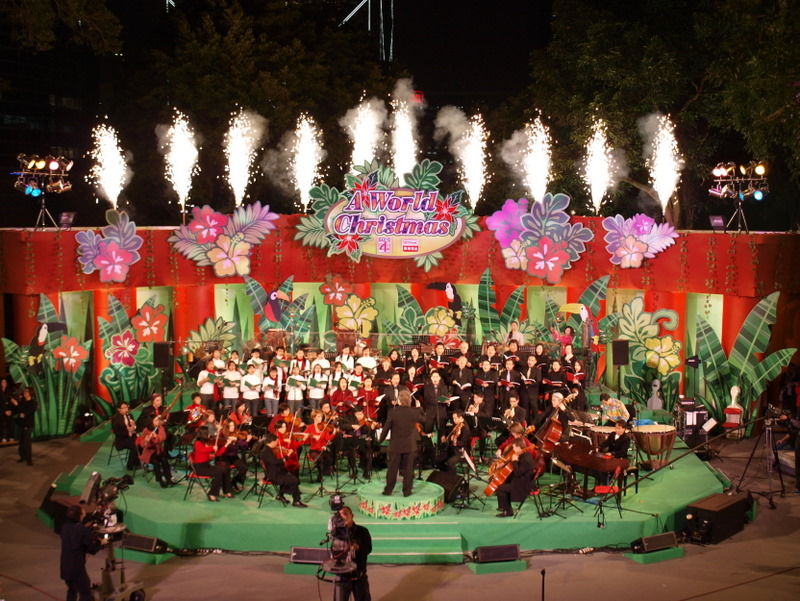
'A World Christmas' offered a
truly special program of music from different parts of the world in the
holiday season. There were African drumming, music with Latin American beat,
sacred songs from Argentina and carols from France, USA, Wales and Spain. and
of course, the Hallelujah chorus and well-loved carol sing-in for the audience
to join in!
|
|
|
|
Soloists
Angelita Li,
jazz vocalist
Yuki Ip, soprano
Carol Lin, alto
David Quah, tenor
Apollo Wong, bass
Choirs
Chorus of the Opera Society of Hong Kong
Hong Kong Children's Choir
Lung Heung-wing and Mark Lung, percussion
City Chamber Orchestra of Hong Kong, Colin Touchin, conductor
The Chorus of
the Opera Society of Hong Kong sang the Latin American mass
'Misa Criolla' by the Argentine composer Ariel Ramirez for tenor,
chorus, and orchestra and some newly arranged Christmas songs. The
concert was recorded live and televised on Christmas Day.
Facebook event: http://www.facebook.com/event.php?eid=45438522399
Photo album: http://www.opera.org.hk/photo/photos.php?abid=17
The Opera Society has sung in previous concerts of the series 'Messiah in the Park' in 2005
and 'Seasons Greetings in the Park' in 2006:
Messiah in the Park 2005: http://www.opera.org.hk./news/index.php#a16
Seasons Greetings in the Park 2006: http://www.opera.org.hk./news/index.php#a6
|
|
|
La Perichole |
|
|
|
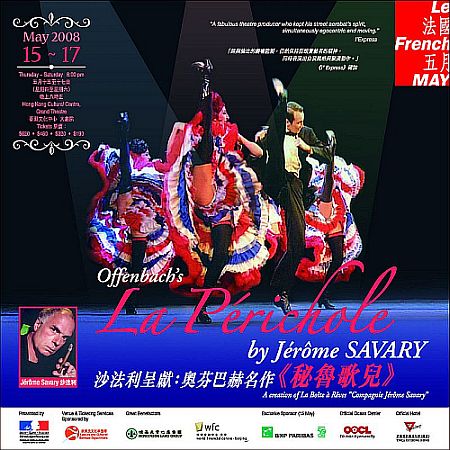
Date: |
15-17 May 2008 (Thu-Sat) |
|
Time: |
8:00 pm |
|
Venue: |
Grand Theater, Hong Kong Cultural Centre |
|
Music: Jacques Offenbach
Director: Jerome Savary
The Opera Society of Hong Kong
Chorusmaster: Raymond Fu
Ariele Zanini, Piano
The Hong Kong Sinfonietta
Conductor: Jerome Pillement
A Le French May 2008 opera program. Performed in French with English and Chinese subtitles. La Perichole is an "opera bouffe" (a genre of late 19th century French operetta) and musical comedy, based on a piece written by Offenbach and staged extravagantly by Jerome Savary. Savary is a French theatre director, scriptwriter, and actor who widened the popularity of music theatre in France through his special blending of the opera, operetta, and musical comedy. |
|
|
|
The Cast
La Perichole: Marie-Stephane Bernard
Piquillo: Marc Laho
CHORUS OF THE OPERA SOCIETY OF HONG KONG
The Opera Society of Hong Kong was established in 1992 and has performed more than 15 operas and much of the standard choral repertoire since then. Apart from working with famous orchestras such as the Academy of St. Martin in the Fields, the Hong Kong Philharmonic Orchestra and the Guangzhou Symphony Orchestra, the choir also sang with the Anonymous 4. The CD Fruits on the Tree, which was recorded in May 2002 and published by the Hong Kong Arts Development Council, received great critical acclaim, "well-balanced voice parts, sensational singing, a first class chorus in Hong Kong."
Chorusmaster: FU, Raymond
Assistant Chorusmistress: Leung, Rita
French Coach: ZANINI, Ariele
Rehearsal Pianist: CHEUNG, Ronald
SOPRANO
LAI, Amy
LEUNG, Noel
MAN, Angel
WONG, Pancy
ALTO
LEUNG, Rita
LI, Nancy
SANG, Margaret
TSANG, Shermain
TENOR
CHOI, Alberto
GOATLY, Andrew
LAM, Felix
TAM Chi-ho, Herbert
BASS
CHEUNG, Shu-kan
LAU, Colin
TANG, Sai-kin
WONG, Chi-lok
|
|
|
Opera Society 15th Anniversary Concert |
|
|
|
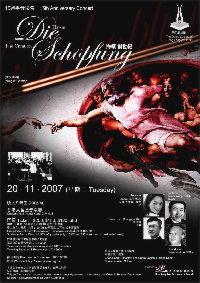
The Opera Society of
Hong Kong 15th Anniversary Concert
Die Schopfung (The Creation)
by Joseph Haydn
(sung in German)
|
|
Date:
|
20 November 2007 (Tue)
|
|
Time:
|
8:00 pm
|
|
Venue:
|
Concert Hall, City Hall, Hong Kong
|
|
|
|
Soloists:
Anna-Clare Monk, Soprano
Sam Kan, Tenor
Kewei Wang, Baritone
Chorus and Orchestra of The Opera Society of Hong Kong
Conducted by Raymond Fu
Click concert poster for more concert details and here for soloist and conductor biographies. Concert Sponsorship
The Opera Society of Hong Kong acknowledges the following generous CONCERT SPONSORSHIPS
from individuals, companies, and organizations to help bring this
special 15th anniversary concert to our audience and the general public.
Darizi.com
Lloyd Morgan
The Smile foundation
Y5 Zone
Eastern District Children's Choir
The Learners Chorus
Opera Hong Kong
Maplewood Education Services
Crystal Education Publlications
Hong Kong Handbell Academy
Chez Les Copains
Premier Music
Mei Fong Studio
Also, we appreciate support from the Rental Subsidy Scheme
of the Leisure and Cultural Services Department, Hong
Kong Arts Development Council and the St. John's Cathedral, Hong Kong.
Audience from Afar
8 May 2008 - Our 15th Anniversary Concert reaches a global audience
through YouTube, where we uploaded excerpts of our performance. Here's a
message from Will Wyche of Palm Springs, California sent in to our
website directly:
I [am] recovering from a long illness and
while surfing the net stumbled on your November 2007 performance of Die
Schopfung, specifically Die Himmel erzahlen die Ehre Gottes. Under the
circumstances in the early dawn in Palm Springs, it made the breaking
sun truly explode and my heart leap! Not having been filled with so much
wellness in years--and to view the video with such cosmopolitan mixture
of faces of humanity in perfect tonal, dynamic, and rhythmic forte,
your performance was created [in] a structural unity and musical
strength that was just gloriously overpowering! (even on YouTube!) ...
Well, Opera Society of Hong Kong, you have no idea your reach to places
and states of being--both good and ill--that is truly infinite! I throw
garlands of accolades at your feet! For you are HEALERS WHICH THIS WORLD
NEEDS SO TIMELY! Indeed, BROADCAST IT! THE WORLD PUBLIC WILL SOMEDAY
THANK YOU SO MUCH as I certainly do!!!
Thank you for your message, Will. We are most happy to have our
singing reach out beyond our concert performance. Your message is not
just an endorsement of our hard work; it's a most convincing statement
of the power of music on both listeners and performers alike.... Those
of us who share Haydn's faith, and that of yours, will have one more
reason to hail ALLELUIA.... We wish you and your dearest brother Michael
happiness, good health and many more elating moments in music.
Now on YouTube
Hear the Opera Society of Hong Kong sing Haydn's Die Schopfung on YouTube:
Die Himmel erzahlen die Ehre Gottes
Vollender ist das grosse Werk
Von deiner Gut', o Herr und Gott
|
|
|
From Opera to Musical |
|
|
3 May 2007 - The Opera Society of Hong Kong presented a charity concert with a special program From Opera to Musical featuring favorite choruses from operas by Puccini, Verdi, Wagner, famous opera ensembles from works by Bizet, Donizetti, Delibes, and popular arias and songs by guest soloists from operas by Mozart, Lehar, Purcell, Offenbach and from musicals by Claude Michelle Schoenbert (Les Miserables) and Frank Wildhorn (Jekyll and Hyde) and other works.
Concert poster.
Full Concert Program (Acrobat pdf, 669 KB).
View photos at concert and rehearsals.
|
|
|
3 May 2007 (Thursday) at 8:00 pm
St. John's Cathedral, Garden Road, Central
Chorus of the Opera Society of Hong Kong
Guest soloists Katusha Tsui-Fraser, Soprano, and David Quah, Tenor
Chamber Orchestra of the Opera Society of Hong Kong
Conductor: Raymond Fu
Concert Reception with snacks and drinks served at Li Hall, 7:15 pm.
Co-organized with Rotary Club of Kingspark Hong Kong and Rotary Club of City Northwest Hong Kong.
Support of this charity concert through sponsorship of the Rotary RainLily Project - with objectives to educate awareness on sexual violence issues and to enhance the awareness of the services of the Association Concerning Sexual Violence Against Women and Rotary International.
Individual Sponsorship: $250 with one complimentary concert ticket and invitation to concert reception.
More information on Rotary RainLily Project and sponsorship.
Chorus members: Contact Shirley Fu at shirley@opera.org.hk for detailed schedules.
|
|
|
Season's Greetings in the Park |
|
|
Date: 24 December 2006 (Sun) Time: 5:00 pm Venue: Olympic Square, Hong Kong Park
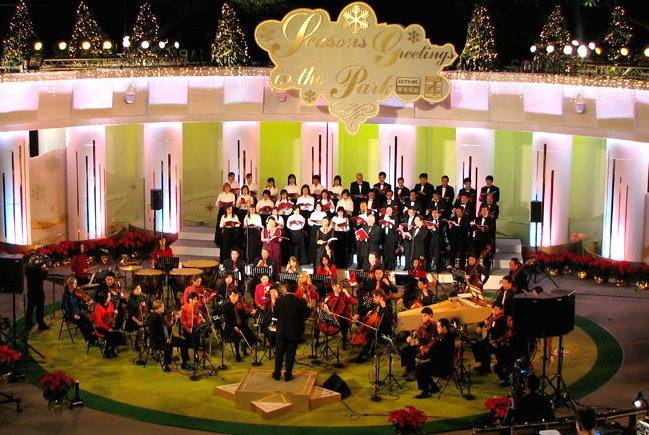
The glorious sounds of Vivaldi and festive Christmas carols were recreated by the Opera Society of Hong Kong amidst the tranquility of the Hong Kong Park and the glittering skyscrapers in Central. A free, open-air concert well-enjoyed by music lovers, for the whole family, and televised and broadcast on RTHK.
|
|
|
The Chorus of the Opera Society of Hong Kong sang Vivaldi's Gloria in D, RV589, and Christmas carols, and violinist Huang Mengla performed Vivaldi's The Four Seasons, Op. 8, with the City Chamber Orchestra of Hong Kong. Guest conductor Johnny Poon.
Soloists: Yuki Ip, soprano; Carol Lin, mezzo-soprano. 200-member combined choir from:
Wah Yan College Kowloon Boys' Choir
Diocesan Girls' School Choir
HKIEd Choir
Carmel Pak U Secondary School Choir
The Learners Chorus
The Singchronizers RTHK Radio 4's "Seasons Greetings in the Park" celebrate X'mas with star violinist Huang Mengla and 300 singers and musician, RTHK Press Release, December 2006 PHOTOS - taken by chorus members, friends and family members in the audience.
Concert report and audience responses in Finemusic, February 2007
The Chorus of Opera Society of Hong Kong has also sung the RTHK 4 open-air concert Messiah in the Park on Christmas eve 2005 at the Hong Kong Park.
|
|
|
Messiah in the Park |
|
|
| Date: |
|
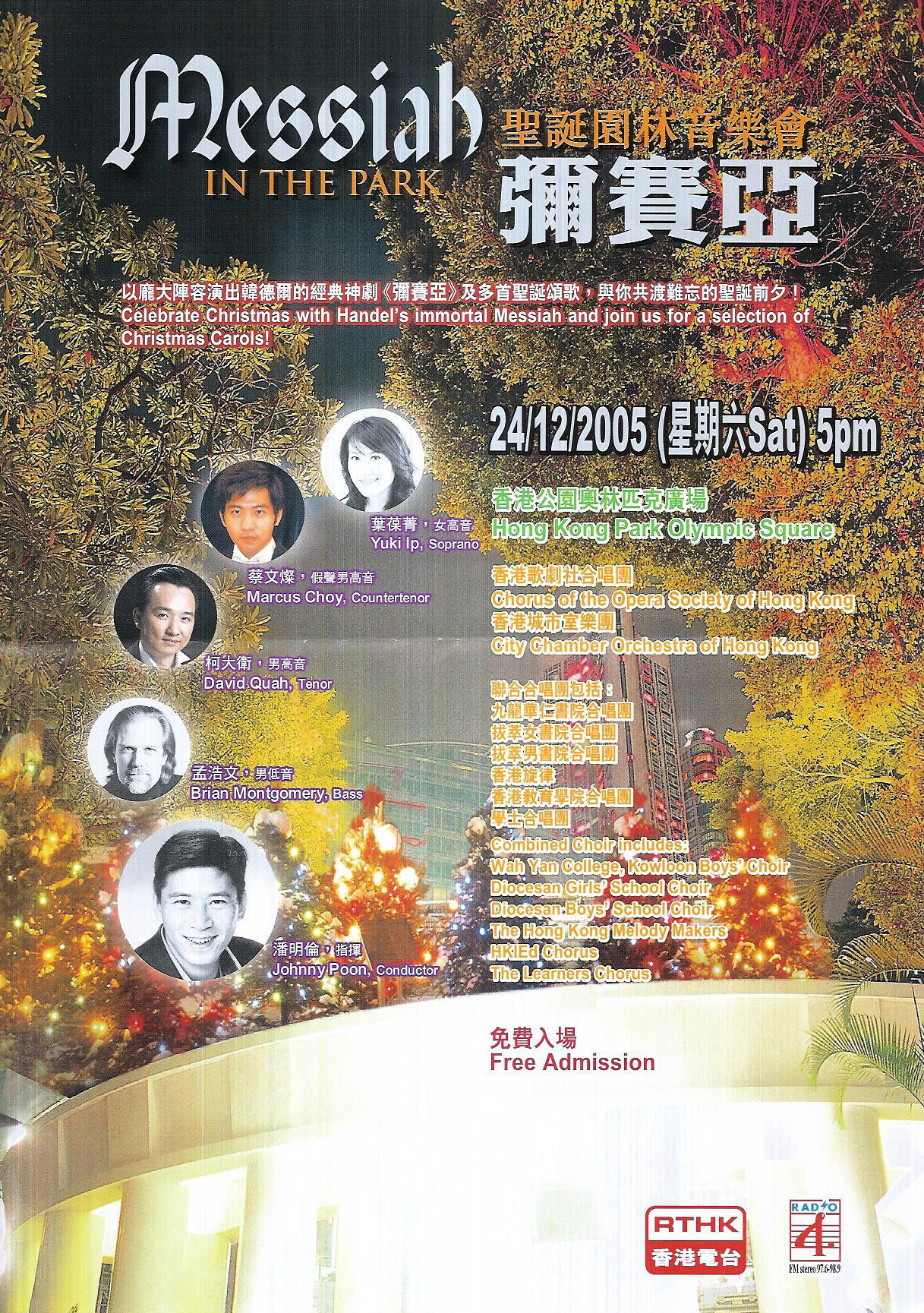
24 December 2005 |
| Time: |
|
5:00 pm |
| Venue: |
|
Hong Kong Olympic Square, Hong Kong Park |
| Conductor: |
|
Dr. Johnny Poon |
| Chorusmaster: |
|
Mr. Raymond Fu |
| Orchestra: |
|
City Chamber Orchestra of Hong Kong |
| Soloists: |
|
Yuki Ip, Soprano |
| |
|
Marcus Choy, Countertenor |
| |
|
David Quah, Tenor |
| |
|
Brian Montgomery, Bass |
|
|
|
Chorus: The Opera Society of Hong Kong
Orchestra Accompaniment: City Chamber Orchestra of Hong Kong
Combined Mass Choir: Diocesan Boys' School Choir, Diocesan Girls'
School Choir, HKIEd Chorus, The Hong Kong Melody Makers, The Learners
Chorus, Wah Yan College, Kowloon Boys' Choir |
|
|
Faust |
|
|
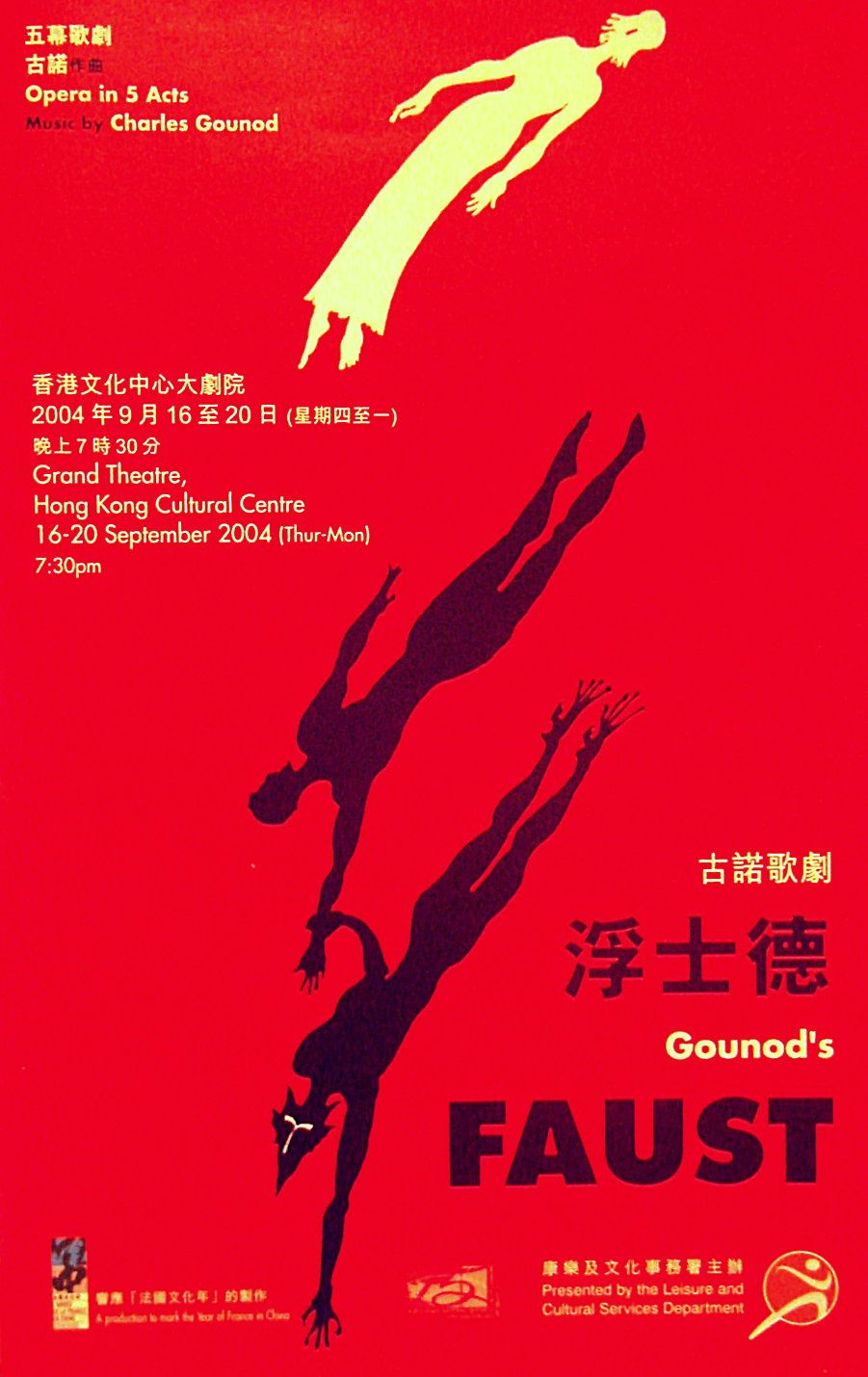
Date: 16-20 September 2004
Time: 7:30 pm
Venue: Grand Theatre, Hong Kong Culture Center
Music: Charles Gounod
Libretto: Jules Barbier and Michel Carre (after the dramatic poem of the same name by Johann Wolfgang von Goethe)
Hong Kong Sinfonietta
The Opera Society of Hong Kong
Conductor: David Stein
Director / Producer: Lo King Man
Chorusmaster: Raymond Fu
Repetirices: Nina Yip & Ariele Zanini
Set Designer: Charfi Hung
Costume Designer: Mandy Tam
Lighting Designer: Leo Cheung
Choreographer: Susan Street
Movement and Fight Director: Peter Jordan
Performed in French with Chinese and English subtitles.
|
|
|
The Cast
Faust (Tenor) : Jianyi Zhang (9/16, 18, 20), Rhys Meirion (9/17, 19)
Marguerite (Soprano): Deborah Wai Kapoche (9/16, 18, 20), Melody Alesi (9/17, 19)
Mephistopheles (Bass): Hye-soo Sonn (9/16, 18, 20), Ethan Herschenfeld (9/17, 19)
Valentin (Baritone): Chenye Yuan
Siebel (Mezzo Soprano): Joelle Fleury (9/16, 18), Melody Sze (9/17, 19, 20)
Wagner (Bass): Pong Chung Lam
Marthe (Soprano): Pancy Wong
Bishop: Peter Jordan
The Story
Act I The aged philosopher-scientist Faust sits in his study lamenting his wasted life. Twice he resolved to put on end to it by taking poison, and twice his hand is stayed by the sound of Easter merrymakers singing outside. Tarmented, he summons the devil and Mephistopheles appears before him. Faust reveals his longing for youth and pleasure to Mephistopheles, who assures him they can be his - if he will sell his soul. When the philosopher hesitates, the evil conjures up a vision of Marguerite. Enchanted, Faust agrees to the bargain, drinks a potion, and is transformed into a young man.
Act II A Kermesse or town fair is in progress. Valentin a young officer in the army, admires a medallion given him by his sister, Margarite, to whom he sings a touching farewell. A students' chorus is interrupted by Mephistopheles, who offers an impudent song in praise of greed and gold. He infuriates Valentin wit an insulting toast to Marguerite. Valentin draws his sword, prompting the others to ward off evil by holding their sword handles like crosses before Mephistopheles. As the crowd joins in a waltz, Faust enters. He meets Marguerite on her way toward church, but she declines his offer to escort her.
Act III Siebel, a young student infatuated with Marguerite, brings flowers to her, hoping that she may learn his devotion. Faust, guided by Mephistopheles, serenades Marguerite's dwelling. With the devil's help he leaves a casket of jewels to win Marguerite. The two men withdraw as she enters and seats herself in the garden, singing a ballad for her own pleasure. She interrupts the verses with reflections on the handsome stranger who had spoken to her. When she discovers the jewel casket she exclaims with delight, seeing herself decked in the precious gems. As night falls, Faust approaches and declares his love for Marguerite. She admits that she reciprocates his feelings, yet, still overcome with maidenly scruple, begs him to leave. He agrees but is urged to return by Mephistopheles, who laughs contemptuously as Marguerite yields to Faust's embrace.
Act IV Marguerite, oppressed with fear over her guilty love, seeks refuges in church, pursued by the relentless Mephistopheles, who curses her and torments her with damnation. In the square of the city, Valentin and his fellow soldiers return from the battlefield singing of the glory of those slain in combat. Valentin questions Siebel concerning Marguerite, but the youth replies evasively. Valentin's fears are realized when Mephistopheles arrives with Faust and serenades Marguerite with an improper song, which drives the brother to defend her honour. He fights a duel with Faust who, under the protection of Mephistopheles, wounds him fatally. Valentin curses Marguertie for all to hear, swearing that he dies by her hand alone.
Act V Marguerite in prison, condemned to die for the murder of her illegitimate child. Faust and Mephistopheles arrive, intending to lead her away. At first the distracted girl is overjoyed to see her lover. She refuses to leave and keeps recalling their first meetings. But when she sees Mephistopheles she calls on the angels to save her. As she dies, Mephistopheles pronounces her condemned, but angelic choirs are heard to proclaim her salvation. Heavenly radiance transforms the cell as Marguerite's should enters heaven.
Check out references for Gounod's Faust:
In English:
http://www.charles-gounod.com/vi/oeuvres/operas/faust.htm
http://www.treda.freeserve.co.uk/opex/faust/synopsis.html
In Chinese:
http://www.e-classical.com.tw/prtfamily/program/TaipeiOpera/o_99_822.html
Chorus of The Opera Society of Hong Kong
The Opera Society of Hong Kong was established by a group of dedicated singers in 1992. Since then it has fulfilled its mission of promoting western opera, operetta and vocal music in the Hong Kong community by performing to the highest levels of excellence. With the vision of emulating the most famous of the world's choruses, the Chorus has always striven to achieve professional standards of performance.
Since its establishment, the Chorus has performed more than 15 operas and much of the standard choral repertoire. In 1999, the Chorus was invited to join the Guangzhou Symphony Orchestra in the Millennium Concerts in Dongguang and Guangzhou, making a highly successful debut on the Mainland. The Chorus has worked with famous orchestras such as The Academy of St. Martin?s in the Fields, and the Hong Kong Philharmonic Orchestra, while in 2001 we performed in the Film and Music project Voices of Light/The Passion of Joan of Arc with the Anonymous 4. The CD Fruits on the Tree, which was recorded in May 2002 and published by the Hong Kong Arts Development Council, received great critical acclaim: "well-balanced voice parts, sensational singing, a first class chorus in Hong Kong."
The Opera Society emphasizes the development of its members through providing intensive training opportunities. Members have enhanced their vocal technique and interpretative capabilities by participation in master classes with, among others, the world-renowned soprano Barbara Bonney, baritone Haojiang Tien and conductor Constantine Kitsopoulos.
Chorusmaster: Raymond Fu
French Coach: Jacques Seum-Souk
Rehearsal Pianists: Felix Yeung / Frances Wong
SOPRANO
AU Ho-yan, Agnes
BACH, Petra
CHEUNG Kit-shan,Veronica
CHING, Lily
FU, Shirley
LAI Ka-man, Amy
LAM King-yam, Fabia
LEE, Winnie
LEUNG Hoi-lam, Peony
LI Si-lai
LUK Kit-ying, Chris
MOK Yee-ying, Emily
NG Wai-yi, Anna
TING, Vivian
WONG, Frances
WONG, Pancy
YANG, Jane
YOUNG, Carrie
ALTO
CHENG, Marilyn
CHUI Shing-yan, Janet
LAM Wai-yee, Maria
LAU Tsz-man, Yvonne
LAW Pui-ha
LEUNG, Rita
LI, Nancy
LO, Bertha
NG, Connie
SO Lai-Fong
SUEN, Betty
TSANG Shing-ying
TENOR
CHAN Kam-hung
CHEUNG Chun-ho, Alfred
CHEUNG Shu-kan
CHIU Chi-tat, Harry
CHOI, Alberto
CHUI Ho-wa, Daniel
CHUNG Chi -wing
FU, Ka-lung
HUI Ka-chun, Ernest
HUNG Sze-hang
LAM, Felix
LAU Siu-ki
LEE, Kenneth
LEUNG, Yuk-hin
POON Kit-sang, Anthony
TAM Chi-ho, Herbert
TING Ka-larn, Tony
WONG Chi-lok
YEUNG Tat-ming, David
YEUNG Yun-loong
YING Ee-ping
YUNG Chi-wai, Eric
BASS
CHAN Kam-yan
CHEN, Alex
KEUNG Lap-shing
KWOK Kar.kit
LAM Chak-cheong, Charlie
PONG Chung-lam
SHIH Tsi-min
SIU Wai-man
TANG Pak-yau, Jason
TANG Sai-kin
WONG Po-to
YEUNG, Felix
YUEN Kin-kwan, Peter
YUEN, David
|
|
|
Samson and Delilah |
|
|
Date: 19-20 May 2004
Time: 7:30 pm
Venue: Concert Hall, Hong Kong City Hall
Music: Camille Saint-Saens
Libretto: Ferdinand Lemaire
Guangzhou Symphony Orchestra
The Opera Society of Hong Kong
Conductor: Patrick Fournillier
Director: Warren Mok
Chorusmaster: Raymond Fu
Multi-media Designer: Billy Tang
Costume Designer: Kenneth Leung
Lighting Designer: Kim Lee
Choreographer: Jin Ran Ran
|
|
|
|
The Cast |
|
|
| Samson: |
Mark Baker
|
|
Delilah |
Annie Vavrille |
| High Priest of Dagon: |
Phillippe Fourcade |
|
Abimelech: |
Guy Bonfiglio |
| Old Hebrew: |
Nicolas Cavallier |
|
1st Philistine: |
Herbert Tam |
| 2nd Philistine: |
Kinsen Leung |
|
Messenger: |
Andrew Goatly |
| Child: |
Leighton Mok |
|
|
|
The Story
Palestine, 1150 B.C.
Act I Believing strongly in God for the liberation of the Hebrews, Samson leads a bold opposition towards their enemy Philistines in Gaza. He killed the Philistine commander, Abimelech, who denounces the Hebrews and their God and leads the Hebrews away. Samson falls in love with the Philistines beauty Deliliah, and she invited him to celebrate the victory of the Hebrews with the pleasures of love.
Act II Delilah tells the High Priest her plan to avenge for her people by seducing Samson. Bewitched by her charms, Samson shows his love by confiding in her the secret of his strength in his log hair. Having learned the secret. Delilah cuts off his hair and renders the hero powerless.
Act III Being captured in a dungeon and binded. Samson hears the voices of his people outside who suffering from his sin have once again enslaved and prays that God may spare his people and punish him alone. Inside the temple of Dagon, the Philistines revive their orgaiastic worship of Dagon. Samson is then led to the temple by a child. Delilah and the High Prieset mock the fallen hero. Burning with humiliation, remorse, and vengeance, he prays to God for mercy and to restor his strengthen. Through God's grace, with a mighty effort Samson pulls down the pillars of the Philistine temple and destroys his enemy and himself.
Chorus of The Opera Society of Hong Kong
The Opera Society of Hong Kong was established in 1992 and performed more than 15 operas and much of the standard choral repertoire since then. Apart from working with famous orchestras such as the Academy of St Martin?s in the Fields, the Hong Kong Philharmonic Orchestra and the Guangzhou Symphony Orchestra, the Choir also sang with the Anonymous 4 and recorded a CD Fruits on the Tree published by the Hong Kong Arts Development Council in 2002 which had received great critical acclaim: ?well-balanced voice parts, sensational singing, a first class chorus in Hong Kong?.
Chorusmaster: Raymond Fu
Rehearsal Pianists: Chan Wing Mui
SOPRANO
BACH, Petra
CHEUNG Kit-shan,Veronica
FU, Shirley
Brigit Fung
Donna Ho
Kim Hae Kyung
Katherine Kwong
Michelle Lam Min Shun
Lianne Lam
Winnie Lee
LI Si-lai
Christina Lo Ming Ying
Chris Luk Kit Ying
Emily MOK Yee-ying
Anna NG Wai-yi
Anna Tang
Vivian Ting
Frances Wong
Jane Yang
Carrie Young
Monica Yu
ALTO
Esther Chan
Janet Chui Shing-yan
Selana Kong
Ada Lai Pui Yin
Maria Lam Wai Yee
Law Pui Ha
Sindy Lee Sin Yee
Rita Leung
Bertha Lo Yin Lan
Connie Ng
So Lai Fong
TENOR
CHAN Kam-hung
Chan Yick Chun
Cheung Chun ho
Alberto Choi Sze Yick
Daniel Chui Ho Wa
Andrew Goatly
Lam Chung Ming
Anthony Poon Kit Sang
Herbert Tam Chi Ho
Tony Ting Ka Lam
Wong Chi Lok
Yeung Yun Loong
BASS
CHAN Kam-yan
CHEN, Alex
Cheung Shu Kan
Stephen Leung
PONG Chung-lam
SIU Wai-man
Ying Ee Ping
Yuen Kin Kwan
|
|
|
HKPO's 2004 Choral Classics Showcase II |
|
|
Hong Kong Philharmonic Orchestra
Choral Classics Showcase II: Grieg's Peer Gynt
Programme:
Stravinsky: Symphony of Psalms
Grieg: Peer Gynt (with English narration)
Eteri Lamoris, Soprano
The Opera Society of Hong Kong
Samuel Wong, Conductor
Date: 23-24 Apr 2004
Time: 8pm
Venue: Concert Hall, Hong Kong Cultutal Centre
|
|
|
|
Love for Hong Kong for Opera |
|
|
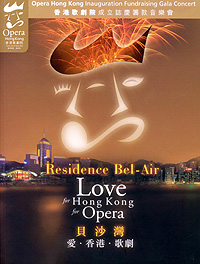
|
Date:
|
18 October 2003
|
|
Time:
|
8:00 pm
|
|
Venue:
|
Lyric Theatre, Hong Kong Academy for Performing Arts
|
|
Opera
Hong Kong Inauguration Fundraising Gala Concert.
|
|
|
|
Soloists: Lea Woods
Friedman, Soprano; Meagan Miller, Soprano; Alexandra Sapan, Soprano;
Elizabeth Batton, Mezzo-Soprano; Warren Wok, Tenor; Mark Thomsen, Tenor; Paul
Armin Edelmann, Baritone; Peter Edelmann, Baritone; Brian Jauhiainen, Bass;
Victor Von Halem, Bass
Chrous of The Opera Society of Hong Kong, Raymond Fu, Chorusmaster.
International Orchestra of Italy, Francesc Bonnin, Conductor
|
|
|
Macbeth |
|
|
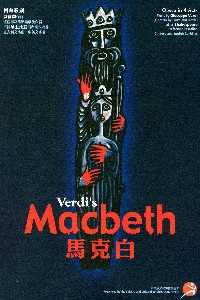
| Date: |
25-29 September 2003 |
| Time: |
7:30 pm |
| Venue: |
Grand Theatre, Hong Kong Cultural Centre |
| Music: |
Giuseppe Verdi |
| Libretto: |
Franceso Maria Piave, Andera Maffei |
|
After the play by William Shakespeare.
The Hong Kong Philharmonic Orchestra
The Opera Society of Hong Kong
|
| |
|
|
|
|
|
|
| Conductor: |
David Stern |
| Chorusmaster: |
Raymond Fu |
| Rehearsal Pianist: |
Wong Kin-bong |
| Repetiteur: |
Lily Yeung |
| Set Designer: |
Charfi Hung |
| Costume Designer: |
Mandy Tam |
| Lighting Designer: |
Leo Cheung |
| Director & Producer: |
Lo King-man |
|
The Cast |
|
| Macbeth: |
Gary Simpson (25, 27, 29/9)
Marco Chingari (26, 28/9)
¡@ |
|
Lady Macbeth: |
Xiuwui Sun (25, 27, 29/9)
Frabcesca Patane (26, 28/9) |
| Banquo: |
Haojiang Tian
¡@ |
|
Macduff: |
Luigi Frattola |
| Malcolm: |
Alex Tam (25, 27, 29/9)
David Quah (26, 28/9)
¡@ |
|
Dama: |
Katusha Tsui-Fraser |
| Medico: |
Pong Chung-lam |
|
Assassin: |
Sylvester Che | |
|
|
The Story |
|
| Background |
|
| The opera takes place in Scotland in the middle of the 11th century. |
|
| Act I |
|
| Scene 1 |
On the evening following a day of heavy fighting, Macbeth and Banquo encounter three covens of witches. They address Macbeth as Thane of Glamis and prophesy to him that he will be Thane of Cawdor and future King of Scotland. Banquo, however, will not reign but will be father to kings. The witchers then disapper.
Messengers from King Duncan arrive, bringing Macbeth the news of his new title. They announce that the Thane of Cawdor has been executed for treason. Macbeth will assume his office. |
|
| Scene 2 |
In Macbeth's castle, through a letter from her husband, Lady Macbeth learns of the happy news. Driven by boundless ambition, she decides to do everything to secure her husband's path to power
It is announced that King Duncan will spend the night in the castle. Lady Macbeth views this occasion as a welcome opportunity of spurtting on her husband to murder the King in his sleep. Macbeth hesitates but can no longer resist his wife's merciless urgings and resolves to commit the momentous crime. His conscience begins to plague him. Torturois thoughts almost drive him mad. The cold-blooded Lady Macbeth, on the other hand, has no sympathy for such pangs of conscience.
On the following morning, Macduff and Banquo discover the horrible murder and immediately call together all those assembled in the castle. All, including Macbeth and his Lady, curse the unknown murderer. |
|
| Act II |
|
| Scene 1 |
| With Duncan's death, the witches' second prophecy has been fulfilled: Macbeth is King of Scotland. But the so easily won crown soon proves to be a curshing burden: had not the witches prophesied that Banquo's offspings would bear the crown? Macbeth quickly makes up his mind to commit a further murder. |
|
| Scene 2 |
| An assassin is hired to kill Banquo and his son, who are on their way to the castle to attend a banquet at Macbeth's invitation. The Assassin and his accomplices prepare the ambush. Banquo is murdered. His son escapes. |
|
| Scene 3 |
During the evening's festivities, there suddenly appears, visible only to Macbeth, the ghost of the murdered man; at this moment, Macbeth almost loses all control.
Macduff, a Scottish nobleman, recognizes the truth and leaves for England. He wished to join Malcolm, Duncan's son, for the campaign against Macbeth. |
|
| Act III |
|
| Macbeth returns once again to the witches. He wishes to learn more about his fate. The prophecies prove to be cryptic: no man born of woman can harm him, and none can defeat him unless Birnam Wood moves against him. Eight specters of kings apper before Macbeth in an errie hallucination. He collapses in terror. |
|
| Act IV |
|
| Scene 1 |
| In the country side, refugees from Scotland sing of their oppressed nation. Macduff learns of the death of his wife and children, slaughtered on Macbeth's orders. He swears vengeance. |
|
| Scene 2 |
| Incapacitated by mental derangement, Lady Macbeth sleep-walks through the gloomy castle and tries in vain to wash away an imaginary blood stain from her hands. She finally dies insane. |
|
| Scene 3 |
| Macbeth arms himself fot the struggle against his enemies, who are approaching the castle from Birnam Wood. The soldiers carry branches as camouflage; thus it appears as if the wood is moving toward the castle. Macbeth feels his end is near, but he is still able to go confidently into action against Macduff, the enemy leader. |
|
| Scene 4 |
Macduff informs Macbeth that he was not born of woman but was ripped from his mother's womb, by caesarian birth. The witches had so prophesied.
Macbeth is killed in the duel. Maclcolm becomes the new King of Scotland. |
Chorus of The Opera Society of Hong Kong
The Opera Society of Hong Kong was established in 1992 by a group of dedicated singers. The Society has since performed its mission to promote western opera, operetta and vocal music in the Hong Kong community while maintaining an outstanding standard of performance. With the vision of keeping abreast with world-renowned choruses, the Chorus strives to achieve professional standard. Under the direction of Raymond Fu, Chairman of the Society and Chorusmaster, the Chorus has achieved a consistently high standard of performance.
Since its establishment, the Chorus has performed in over 15 operas and many standard choral repertoires. In 1999, the Chorus was invited by the Guangzhou Symphony Orchestra to join their Millennium Concerts in Dongguang and Guangzhou, and made its highly successful debut in the Mainland. The Chorus has worked with famous orchestras such as St. Martin in the Fields and the Hong Kong Philharmonic Orchestra; and in 2001 performed the film and music project Voices of Light/The Passion of Joan of Arc with the Anonymous 4.
The Society lays emphasis on nurturing its members through participating in various forms of intensive training. Members? ability has been enhanced through activities such as master classes with world-renowned soprano Barbara Bonney and conductor Constantine Kitsopoulos etc.
Chorusmaster: Raymond Fu
Rehearsal Pianist: Wong Kin-bong
Assistant Chorus Master/Mistress: Wong Yiu-tong, Tony / Rita Leung
Administrative Assistant : LAM, Vincent
SOPRANO
BACH, Petra
CHAN, Claudia
CHEUNG Kit-shan, Veronica
CHING, Lily
FU, Shirley
FUNG, Brigit
FUNG, Peggy
HO Ka-yiu, Jenny
HO, Donna
KWOK Yuen-ling
KWONG, Katherine
LAI Ka-man, Amy
LEE, Winnie
LEUNG, Noel
LUK Kit-ying, Chris
MAN, Angel
MOK Yee-ying, Emily
WONG Wai-man
WONG, Frances
YIP Ching-yee
YOUNG, Carrie
YU, Monica
ALTO
CHENG Chi-suen
CHENG, Marilyn
CHOY, Juliet
CHUI Shing-yan, Janet
HO, Elizabeth
KONG, Selana
LAI Pui-yin, Ada
LAM Wai-yee, Maria
LAW Pui-ha
LEUNG, Rita
LO, Bertha
NG, Connie
TSANG Shing-ying
TENOR
BUTT Hiu-tung
CHAN Kam-hung
CHEUNG Man-yee, Leslie
CHEUNG Shu-kan
CHUI Ho-wa, Daniel
CHUNG Chi-wing
FU, Ka-lung
HO Kam-tim, Arthur
KWONG, Michael
LEE Kun-fai, Kenneth
LO Tak-chung, Eric
POON Kit-sang, Anthony
TAM Chi-ho, Hebert
WEI Yu-heng, Galax
WONG Chi-lok
WONG Yiu-tong, Tony
YEUNG Tat-ming, David
YEUNG, Yun-loong
YING Ee-ping
BASS
CHAN Hong-lun
CHAN Kam-yan
CHEN, Alex
CHUNG, Desmond
KONG, Bill
KWOK Kar-kit
LAM Lik-hin
LEE Ka-hing
LEUNG, Valiant
PONG Chung-lam
TANG Sai-kin
WONG Po-to
YEUNG, Felix
YUEN, David
|
|
|
The Abduction from the Seraglio |
|
|
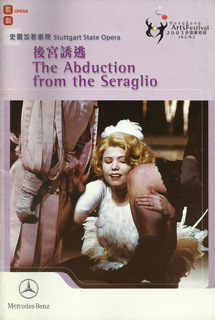
Date: 14-16 February 2003
Time: 7:30pm
Venue: Grand Theatre, HK Cultural Centre
Music: Wolfgang Amadeus Mozart
Libretto: Johann Gottlieb Stephanie Jr after Friedrich Bretzner
Stuttgart State Opera
General Director : Klaus Zehelein
The Orchestra of Stuttgart State Opera
The Chorus of Stuttgart State Opera
Hong Kong Arts Festival Chorus (from the Chorus of The Opera Society of Hong Kong)
Music Director : Lothar Zagrosek
Director / Dialogues : Hans Neuenfels
Dramaturg : Juliane Votteler
Stage Designer : Christian Schmidt
Costume Designer : Bettina Merz
Chorus Director : Michael Alber
Voice Coach : Juri Masurok
A 31st Hong Kong Arts Festival opera programme.
|
|
|
The Cast
Singers
Konstanze Catherine Naglestad / Eva Lind
Blonde Kate Ladner / Natalie Karl
Belmonte Matthias Klink / J?rg Schneider
Osmin Michael Eder
Pedrillo Heinz G?hrig / Carsten S??
Actors
Konstanze Emanuela von Frankenberg
Blonde Carola Freiwald
Belmonte Alexander Aieman El dib
Osmin Andreas Gr?tzinger
Pedrillo Alexander Heidenreich
Bassa Selim Johannes Terne
Synopsis of Scenes
Act I The square in front of Bassa Selim?s palace
Act II The palace garden
Act III The square in front of the palace around midnight
Hong Kong Arts Festival Chorus
Chorusmaster : Raymond Fu
German Diction Coach : Petra Bach
SOPRANO
Petra Bach
Shirley Fu
Genevi?ve Hilton
Winnie Lee
Jennifer Whitman
Ng Wing Chi
ALTO
Rita Leung
Nancy Li
Jerodine Chan Stitt
Shermain Tsang
Pancy wong
TENOR
John Chan
Cheung Shu Kan
Chu Chun Wai
Nobel Senido Gabasan
Ricky Tsang
BASS
Thomas Chan
Chan Hong Lun
Dick Ng
Gary So
Wong Po To
Kenneth Kok
|
|
|
Madama Butterfly 2002 |
|
|
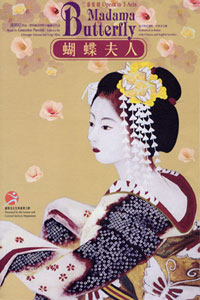
Date: 12-17 September 2002
Time: 7:30 pm
Venue: Grand Theatre, Hong Kong Cultural Centre
Music: Giacomo Puccini
Libretto: Giuseppe Giacosa, Luigi Illica
The Hong Kong Philharmonic Orchestra
The Opera Society of Hong Kong
Conductor: Muhai Tang
Producer/Director : Lo King-man
Chorusmaster: Raymond Fu
Repetiteur: Nina Yip
Lighting Designer : Leo Cheung
Costume Designer: Mandy Tam
Set Designer : Leo Yuen
|
|
|
The Cast
Butterfly Soprano: Nancy Yuen (12,14,16/9), Xiuying Li (13,15,17/9)
Pinkerton Tenor: Ion Pojar (12, 14, 16/9), Michele Fiammardente (13,15,17/9)
Suzuki Mezzo-soprano: Yun Deng (12,14,16/9), Wen Zhang (13,15,17/9)
Sharpless Baritone: George Mosley (12,14-15,17/9), Jeffrey Buchman (13,16/9)
Goro Tenor: David Quah (12,15-17/9), Alex Tam (13-14/9)
Bonzo Bass: Ding Gao
Kate Mezzo-soprano: Tansy Wainwright
Yamadori Baritone / Tenor: Sylvester Che (12-15/9), Bastien Tai (16- 17/9)
Commissioner Bass: Pong Chung-lam
Registrar Bass: Wong Po-to
Child Mime: Leo Lai Wai-chung / Jonathan Wong Wai-hang / Mak Ki-chun
Servant Cook Mime: Amornsomboon Pichead
Cook Mime: Hebert Tam Chi-ho
The Story
Act I On a terrace above Nagasaki harbour. Lieutenant B. F. Pinkerton inspects the house he has leased from a marriage broker, Goro, who has procured him a geisha wife known as Madam Butterfly. To American Consul Sharpless. Pinkerton describes his carefree philosophy of pleasure. For the moment, he is enchanted with the fragile Butterfly and intends to go through a marriage ceremony with her. When Sharpless warns that the girl may not take her vows lightly, the Lieutenant brushes aside such scruples, adding that he will one day take a "real" American wife. At hat moment Butterfly is heard in the distance joyously singing of her wedding day. On arrival, surrounded by her friends, she tells Pinkerton how, when her family fell on hard times, she had to earn her living as a geisha. Soon her relatives arrive and noisily express their opinions on the marriage. When she finds a quiet moment. Butterlfly hsows her bridegroom her few earthly treasures, telling him her intention of embracing his Christian faith. With much pomp and ceremony the imperial commissioner performs the wedding ceremony, after which she guests toast the cople. Suddenly Butterfly's uncle Bonzo, a priest, bursts upon the scene, cursing the girl for having renounced her ancestors' religion. Pinkerton angrily orders the priest and family to leave. Alone with bride, he dries her tears and reminds her htat night is falling. Helped by her maid Suzuki into a pure white kimono. Butterfly joins the ardent Pinkerton in the garden, where they sing of their love.
Act II Three years later, Butterfly still waits for her husband's return. As Suzuki prays to her gods for aid, her mistress has her eyes fixed on the harbour. The maid urges Butterfly to remarry, for Pinkerton will never return. Butterfly asserts her faith - one fine day his ship will appear on the horizon. The Consul comes with a letter from Pinkerton, but before he can read it to Butterfly. Goro brings the latest suitor for her hand. The girl dismisses both him and the wealthy Prince Yamadori, insisting that her American husband has not deserted her. When they are alone. Sharpless again starts to read her the letter, suggesting as tactfully as he can that Pinkerton may never return. Butterfly proudly carries forth their child, insisting that as soon as Pinkerton knows of his son, he will surely come back. Moved by her devotion and lacking the heart to tell her of Pinkerton's remarriage, Sharpless leaves. Butterfly hears a cannons shot; seizing a spyglass, she discovers Pinkerton's ship entering the harbour. Delirious with joy, she and Suzuki strew the house with flower petals. Then, as night falls, she dons her wedding gown and, with her son and Suzuki, waits for her husband's return.
Act III As dawn breaks, Suzuki insists that Butterfly rest. Humming a lullaby to her child, she carries him to another room. Before long, Sharpless, Pinkerton and then Kate, his new wife, enter. When Suzuki realizes the truth, she collapses in despair. Out of consideration for her mistress, however, she agrees to break the news to her. Pinkerton overcome with remorse, bids farewell to the scene of his former happiness, then rushes away. No sooner is he gone than Butterfly comes forth, expecting to find him but finding Kate instead. She takes but a moment to guess the truth. Leaning on Suzuki for support, she agrees to give up her child if the father will return for him. Then sending Suzuki away, she takes a dagger and bows before a statue of Buddha. Just as she raises the blade, Suzuki pushes the child into the room. Tearfully sobbing a farewell to him. Butterfly sends him out to play. Then she stabs herself. Pinkerton's voice is heard in the distance calling Butterfly's name.
Chorus of The Opera Society of Hong Kong
The Opera Society of Hong Kong was established in 1992 by a group of dedicated singers. The Society has since performed its mission to promote western opera, operetta and vocal music in the Hong Kong community, while maintaining an outstanding standard of performance. With the vision of keeping abreast with world-renowned choruses, the Chorus strives to achieve professional standard. Under the direction of Raymond Fu, Chairman of the Society and Chorusmaster, the Chorus has achieved a consistently high standard of performance.
Since its establishment, the Chorus has performed in over 15 operas and many standard choral repertoires. In 1999, the Chorus was invited by the Guangzhou Symphony Orchestra to join their Millennium Concerts in Dongguang and Guangzhou, and made its highly successful debut in the Mainland. The Chorus has also worked with famous orchestras such as St. Martin in the Fields and the Hong Kong Philharmonic Orchestra. Last year, the Chorus performed the Film and Music project Voices of Light/The Passion of Joan of Arc with the Anonymous 4.
The Opera Society of Hong Kong lays emphasis on nurturing its members through participating in various intensive training. Members? ability has been enhanced through activities such as master classes with world-renowned soprano Barbara Bonney and conductor Constantine Kitsopoulos etc.
Chorusmaster: Raymond Fu
Rehearsal Pianist: Lee Wai-yin
Assistant Chorusmaster: Wong Yiu-tong. Tony
SOPRANO
CHAN, Claudia
CHING, Lily
FU, Shirley
FUNG, Peggy
KUNG, Ellie
KWOK, Tiffany Angel
KWONG, Katherine
LAM, Lianne
LEE, Winnie
LEUNG, Noel
LI Si-lai
LIU Oi-ming. Amanda
LUK Yu-ping
MAN, Angel
MOK Yee-ying, Emily
WONG, Frances
WONG, Pancy
YIP Ching-yee, Mabel
YOUNG, Carrie
ALTO
CHENG Chi-suen
CHENG, Marilyn
CHOY, Juliet
HO, Donna
LAI Pui-yin, Ada
LEE Sin-yee, Sindy
LEUNG, Rita
LO, Bertha
NG, Connie
WONG, Anita
TENOR
CHAN Kam-hung
CHEUNG Shu-kan
LAM, Felix
Orlando
POON Kit-sang, Anthony
TAM Chi-ho, Hebert
TING Ka-lam
TO, Tucky
TSAI Ching-yee
TSANG Wai-ki
WONG Chi-lok
WONG Yiu-tong, Tony
YEUNG Tat-ming. David
YEUNG Yun-Ioong
YING Ee-ping
YIP, Eugene
YU Ka-wai
BASS
AUYEUNG, Herbert
KOK King-fai, Kenneth
KWONG Ming-hay
KWONG, Michael
PONG Chung-lam
TANG Sai-kin
WONG Po-to
YIP Kai-ming
|
|
|
Fruits on the Tree 樹上的果子 |
|
|
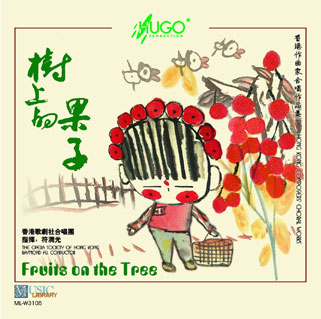
|
CD Recording Project
|
|
Date:
|
18-20 May 2002
|
|
Venue:
|
Lee Hysan Concert Hall, Chinese University of Hong Kong
|
|
Chorus of the Opera Society of Hong Kong, Raymond Fu,
Chorusmaster
Kim Hae-kyung, Soprano Solo
Alberto Choi, Tenor Solo
Wong Po To, Bass Solo
Carol Yu, Pianist
|
|
|
|
Recording of compositions based on ancient poems and texts and songs arranged for choruses by contemporary Hong Kong composers:
你的夢
秋夕
草茵上
啊!向日葵
送友人
行路難
天淨沙
黃鶴樓
雨霖鈴
聲聲慢
虞美人
如夢令
泰山
A Cheerful Welcome
Pity for Mary
Pleasure It is
大江東去
Hugo CD MLW3105.
|
|
|
City Hall 40th Anniversary Concert |
|
|
Selections from Handel's Messiah
Ode to Joy from Beethoven's Ninth Symphony
| Date: |
5 March 2002 |
| Time: |
7:45pm |
| Venue: |
City Hall Concert Hall |
|
|
|
|
Programme |
Selections from Messiah
From 1712 until the late 1730s, the German-born George Frederic Handel (1685-1759) held the position of Britain's greatest composer. He was a specialist in Italian opera and its popularity allowed him to amass a small fortune. In the 1730s, when English tastes began to change, Handel turned to the oratorio, producing a string of 20 works that earned him further riches and secured his place in music history.
In creating oratorios, Handel drew on elements from the English masque, the choral anthem, French classical drama and especially his own operatic style. Like the operas, oratorios were about three hours in length, divided into three acts, employed a chorus, soloists and orchestra, and comprised a succession of arias, recitatives, and choruses. They differed from operas in several important ways. Unlike operas, Handel intended his oratorios for the concert hall, making them much less expensive to produce. To draw a middle-class audience, he used English rather than Italian and replaced the classical and mythological stories of Baroque opera with familiar Biblical texts.
Handel composed Messiah between 22 August and 14 September 1741 and the work stands out from most other oratorios in a number of ways. His collaborator, Charles Jennings, may have created the libretto as early as 1738, choosing texts mostly from the book of Isaiah and from the Psalms to tell the story of Christ. Rather than creating a rhyming text, he selected passages directly from the Bible. As convention would not have allowed a vocalist to impersonate Christ, Jennings divided the narrative function between the chorus and soloists. The first of Jennings's three parts concerns the prophesies and their realisation of the Saviour's birth, the second charts events from His Passion to the second coming, and the third explores Christ's role as Saviour. With these words Handel created some of the most enduring arias and choruses in all of music literature. As in all of Handel's music, everything bodes well for the voice, helping to make Messiah popular with amateur choruses as well as professionals.
We do not know where Handel intended to give the premiere of Messiah but when the people of Ireland expressed a strong interest in hearing it during his stay in Dublin, Handel obliged. The first performance took place as a charity matinee at Dublin's Great Music Hall on 10 April 1742. Anticipating a strong turnout, advertisements asked that ladies refrain from wearing hoops in their dresses and that men leave their swords at home. As expected, there was a full house, and Handel later gave a second performance for his own benefit before returning to London where Messiah was heard many more times over the next decade. Since his death, performances of Messiah have become an important part of Christmas and Easter celebrations throughout the English-speaking world, making it the only Baroque composition regularly performed since its premiere.
Ode to Joy
The Ninth Symphony, considered by many together with the Missa solemnis to be one of Beethoven's sublimest masterpieces, took the composer eleven years to complete and it is possible that sketches for it may even date back to 1812 when he was working on no less than three symphonies in D minor. After years of rumination he returned to the embryonic symphony in 1822. Symphony No. 9 is cast in the traditional four-movement design of his earlier symphonies, but in size, scope and difficulty it far transcends them. Its breadth and sonority are evident right from the hushed opening. This first movement conjures up a mood of desolation and despair although there are shafts of more cheerful music that relieve the gloom. This is the only one of Beethoven's symphonies in which the scherzo precedes the slow movement. Beginning with hammer-blow octaves, it is a movement of considerable thrust and power, but with a gentler trio section in the major key. Here, as in the opening movements, there are melodic pre-echoes of the finale. Beethoven had long been an admirer of Schiller's poetry and as early as 1793, he had contemplated setting the Ode to Joy. The idea of a choral finale was not a novelty, either, for he had tried this out as early as 1808, with the Choral Fantasy for Piano and Orchestra, Op. 80. In the finale of Symphony No. 9, these two ideas came together, in what is rather uneasy mixture of a symphony and an oratorio and because the chorus only appears in the last movement, it is not strictly a choral symphony at all. To integrate this finale with the rest of the work, Beethoven creates a furious outburst, which is then followed by a kind of rejection of the preceding movements, each of which quoted in turn A fanfare then heralds the entry of the solo baritone declaiming lines written by Beethoven himself, that serve as a prelude to Schiller's Ode. "O Friends, no more of these sad tones. Let us raise our voices together in more pleasant and joyful tones!" Then he and the chorus take up the "Freude" theme, which is incorporated into a complex structure, almost a symphony. A broad second theme is announced by bosses and tenors: "Be embraced all ye Millions!". Variations include a vigorous double fugue for orchestra alone and a colossal double fugue for chorus, in a contrapuntal tour de force. The Symphony ends with a brilliant and triumphant prestissimo.
|
|
Chorus |
|
| Soprano |
Alto |
| Chan Lin-ching |
Petra Bach + |
| Claudia Chan |
May Chan |
| Cheng Chi-suen |
Marilyn Cheng * |
| CHikuho Tanaka |
Law Pui-ha |
| SHirley Fu (CS) |
Rita Leung |
| Peggy Fung |
Nancy Li # |
| Donna Ho |
Bertha Lo |
| Park Hwa Yong |
Connie Ng |
| Huang Seo Jin Young |
Margaret Sang |
| Vivian Ko |
Tilda Wat |
| Katherine Kwong |
Anita Wong |
| Amy Lai |
Irma Wong |
| Winnie Lee |
|
| Noel Leung |
|
| Josephine Li Sim-kuen |
|
| Christina Lo Ming-ying |
|
| Chris Luk Kit-ying |
|
| Iris Tung |
|
| Amy Wong |
|
| Frances Wong |
|
| Pancy Wong * |
|
| Carrie Young |
|
| Mabel Yip Ching-yee |
|
|
|
| Tenor |
Bass |
| Chan Chi-hang |
Herbert Au Yeung |
| Chan Ting-nam |
Chan Hong-lun |
| Alberto Choi |
Chan Kwok-kin |
| Andrew Chung |
Raymond Cheng |
| Andrew Goatly |
Gentle Hui Ching-to |
| Hon Cheong-wah |
Hung Yiu-tung |
| Lam Chung-ming |
Kwok Kar-kit * |
| Felix Lam |
Albert Kwong |
| Orlando Mang |
Kwong Kwok-wai |
| Herbert Tam |
Michael Kwong Wai-ko |
| Ting Ka-lam |
Beatle Lam Lik-hin |
| Ricky Tsang |
Leung Hei-yeung |
| Tso Chi-yin |
Pong Chung-lam |
| Wong Chi-lok |
Tang Sai-kin |
| Tony Wong * |
Wong Chun-kwok |
| Yeung Yun-loong |
Yip Kai-ming |
|
| |
|
* Part Leader
CS Chorus Secretary
# Bursar
+ German Coach
Executive Assistant: Miranda Fu |
|
|
|
Il Trovatore |
|
|
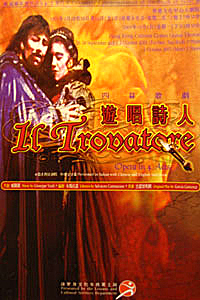
Date: 28-30 September 2001, 1-3 October 2001
Time: 7:30 PM
Venue: Grand Theatre, HK Cultural Centre
Music: Giuseppe Verdi
Libretto: Salvatore Cammarano
Original Play by Garcia Gutierrez
The Hong Kong Philharmonic Orchestra
The Opera Society of Hong Kong
Hong Kong Academy Dancers
Conductor: Diego Dini Ciacci
Chorusmaster: Raymond Fu
Rehearsal Pianist: Lee Wai-yin
Repetiteur: Nina Yip
Choreographer : Susan Street
Set & Costume Designer: Charles Cusick-Smith
Lighting Designer: Billy Chan
Producer/Director: Lo King-man
|
|
|
The Cast
Manrico Tenor: Piero Giuliacci (28 & 30/9, 2/10), Scott Flaherty (29/9, 1 & 3/10)
Leonora Soprano: Joanna Porackova (28 & 30/9, 2/10), Manhua Gao (29/9, 1 & 3/10)
Azucena Mezzo-soprano: Barbara McAlister (28 & 30/9, 2/10), Ning Liang (29/9, 1 & 3/10)
Count di Luna Baritone: Ping Yu (28 & 30/9, 2/10), Mario di Marco (29/9, 1 & 3/10)
Ferrando Bass: Michael Rippon
Ruiz Tenor: Alex Tam
Inez Soprano: Maggie Lai
An Old Gypsy Bass : Pong Chung-lam
A Messenger Tenor : Orlando Mang
Synopsis of Scenes
Act I The Duel
Scene 1 : In the fortress of the Aliaferia Palace in Zaragoza, Araon
Scene 2 : In the courtyard of the Palace near Leonora?s apartments
Act II The Gypsy
Scene 1 : A gypsy camp in the mountains of Biscay in northern Spain
Scene 2 : A convent near Castellor
Act III The Gypsy?s Son
Scene 1 : The Count?s military camp beneath the ruins of Castellor
Scene 2 : A tower of the Castellor castle
Act IV The Execution
Scene 1 : Outside the prison tower of the Aliaferia Palace
Scene 2 : Inside the prison
Chorus of the Opera Society of Hong Kong
The Opera Society of Hong Kong was established in 1992 by a group of dedicated singers. The Society has since performed its mission to promote western opera, operetta and vocal music in the Hong Kong community, while maintaining an outstanding standard of performance. With the vision of keeping abreast with world-renowned choruses, the Chorus strives to achieve the professional standard. Under the direction of Raymond Fu, Chairman of the Society and Chorusmaster, the Chorus has achieved a consistently high standard of performance.
Since its establishment, the Chorus has performed in over 15 operas and many standard choral repertoires. In 1999, the chorus was invited by the Guangzhou Symphony Orchestra to join their Millennium Concerts in Dongguang and Guangzhou, and made its highly successful debut in the Mainland. The chorus has also worked with famous orchestras such as St. Martin in the Fields and the Hong Kong Philharmonic Orchestra. Last year, the Chorus performed the Film and Music project Voice of Light / The Passion of Joan of Arc with the Anonymous 4.
The Opera Society lays emphasis on nurturing its members through participating in various intensive training. Members? ability has been enhanced through activities such as master classes with world-renowned soprano Barbara Bonney and conductor Constantine Kitsopoulos, etc.
Chorus Master: Raymond Fu
Rehearsal Pianists: Lee Wai-yin
Soprano
Chan Lin-ching
Cheng Chi-suen
Shirley Fu
Patience Fung
Peggy Fung
Kwok Yuen-ling
Katherine Kwong
Lianne Lam
Mok Yee-ying, Emily
Wong Wai-man
Frances Wong
Pancy Wong
Yip Ching-yee, Mabel
Alto
Petra Bach
Claudia Chan
Marilyn Cheng
Donna Ho
Ada Lai
Rita Leung
Nancy Li
Bertha Lo
Vicky Ma
Mow Wai-tak
Tilda Wat
Tenor
AuYeung Chi-kit, Ricky
Cheung Shu-kan
Kohen Chia
Ching Yo-yo, Nicholas
Choi Siu-fung, Benjamin
Chung Chi-wing
Hui King-sun
Lam Chung-ming
Felix Lam
Lau Siu-ki
Kenneth Lee
Henry Leung
Orlando Mang
Ng Kam-seng
Sun Chi-chun, Harris
Tam Chi-ho, Herbert
Tam Wai-yip, Sam
Tucky To
Tsang Wai-ki
Wong Yiu-tong, Tony
Yeung Yun-loong
Yue Ka-wai
Bass
Herbert AuYeung
Chan Chi-wang
Chan Kam-yan, Edmond
Patrick Chan
Cheng Ho-ching
Cheng Hoi-chung
Chiu Ka-yan, Francis
Desmond Chung
Hung yiu-tung
Kok King-fai, Kenneth
Kwan Tse-chun
Kwok Kar-kit
Kwong Kwok-wai
Colin Lau
Lee Ka-hing
Lee Yick-kwong
Kinsen Leung
Li Sui-kam
Pong Chung-lam
Yu Hon-wai
Yuen Yen-ping
|
|
|
Tosca |
|
|
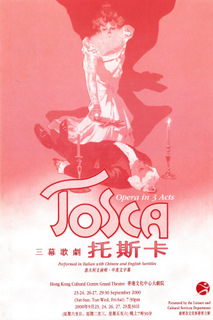
Date: 23-24, 26-27, 29-30 September 2000
Time: 7:30pm
Venue: Grand Theatre, HK Cultural Centre
Music: Giacomo Puccini
Libretto: Illica and Giacosa
After the stage play of Sardou
Conductor: Enrique Carreon-Robledo
Accompaniment: Hong Kong Philharmonic Orchestra
Chorus: Chorus of The Opera Society of Hong Kong
Chorusmaster: Raymond Fu
Set Designer: Ivan Cheng
Costume Designer: Kelvin Tsang
Lighting Designer: Kim Lee
Producer/Director: Lo King-man
|
|
|
The Cast
Tosca: Diana Vidu (23, 26, 29/9), Yanyan Wang (24, 27, 30/9), Soprano
Cavaradossi: Jianyi Zhang (23, 26, 30/9), Steven Harrison (24, 27, 29/9), Tenor
Scarpia: Genaro Sulvar?n (23, 27. 30/9), Arturo Barrera (24, 26, 29/9, Baritone
Sacristan: Michael Rippon, Bass
Angelotti: Tsui Fai, Baritone
Spoletta: David Quah (23, 26, 29/9), Alex Tam (24, 27, 30/9), Tenor
Sciarrone/Jailor: Sylvester Che, Baritone
Shepherd: Eugene Yip (23, 26, 29/9), Lee Po-yu (24, 27, 30/9), Treble
Synopsis of Scenes
Act I 17 June 1800, noon, in Rome
The Church of Sant'Andrea dalle Valle
Act II The same evening, Palazzo Farnese
The rooms of Baron Scarpia
Act III The following morning, at dawn
The platform of Castel Sant'Angelo
Chorus of the Opera Society of Hong Kong
Chorus of the Opera Society of Hong Kong was founded by a group of dedicated and enthusiastic singers. They come from all walks of life and share a common desire to promote opera and musical theatre to the people of Hong Kong. Since 1992, the Chorus has performed in the former Urban Council's productions under the direction of Chorusmaster and Chairman Raymond Fu. In 1996, the Chorus presented A Night at the Opera in association with the Hong Kong Sinfonietta with great success. 1997 was another exciting year for the Chorus. Performances included Beethoven's Symphony No. 9 with Sir Neville Marriner and St. Martin in the Fields presented by the Hong Kong Academy for Performing Arts and Melodies of New Era Concert in the 97 Reunification Music Festival. Recent productions include opera double bill The Divorce & The Lamp of Everlasting Light as well as the film and music project Voices of Light / The Passion of Joan of Arc presented by the Leisure and Cultural Services Department, both with rave reviews. Highlight of the Chorus's future performance will be Handel's Messiah Concert with the Hong Kong Philharmonic Orchestra with Samuel Wong, the new Music Director, in April 2001.
Chorus Master: Raymond Fu
Rehearsal Pianists: Lee Wai-vin and Law Chi-hang
Executive Assistant : Vicky Ng
Soprano
Chan Lin-ching
Chuk Yuk-lin
Brigit Fung
Donna Ho
Kim Hae-kyung
Katherine Kwong
Leung Siu-kum
Lo Ming-ying
Mak Ho-yi
Mok Yee-ying
Frances Wong
Pancy Wong
Yip Ching-yee
Alto
Petra Bach
Claudia Chan
Marilyn Cheng
Fung Hoi-yi
Ada Lai
Vivian Lau
Li Lang-yi, Rainbow
Nancy Li
Ma Wing-ki
Mow Wai-tak
Tilda Wat
Shirley Yeung
Tenor
Cheung Chun-wa
Cheung Shu-kan
Chung Chi-wing
Franky Hon
Hui King-sun
Lam Chung-ming
Felix Lam
Li Kai-hung, Raymond
Orlando Mang
Tam Wai-yip, Sam
Ting Ka-lam
Tucky To
Bass
Chan Chi-wang
Patrick Chan
Kohen Chia
Chung Ying-yin
Kong Yuk-on
William Kong
Kwok Kar-kit
Leung Hei-yeung, Patrick
Leung Wai-lam
Leung Wing-kin
Ng Siu-tung, Tommy
Pong Chung-lam
Tsui Kwong-kit
Wong Po-to
The Opera Society of Hong Kong Children?s Chorus
Chorusmistress: Shirley Veung
Instructor: Grace Ho
Cheric Leona Cheung
Cheung King-him. Tony
Lissa Queenie Cheung
Fong Ka-man, Carmen
Ho Chun-ngai, Calvin
Ho Chun-sing. Jason
Ho Ho-yu, Gordon
Hung Sze-hang
Ip Shun-wai
Keung Lap-shing, Lawrence
Lai Ka-yee
Inga Lam
Law Chun-hin
Lee Kwan-cheung
Lee Po-yu
Lorraine Lui
Pang Yung-ching, Eunice
Poon Sum-wing. Joyce
Arnold Tang
Stephanie Tang
Tsang Oi-lam, Stephanie
Tsang Oi-ming, Alison
Wong Ho-cheun
Eugene Yip
Yuen Tik-wan, Steven
|
|
|
Lihun & Changmingdeng |
|
|
Date: 14-16 January 2000 (Fri- Sun)
Time: 7:30pm
Venue: Auditorium, Kwai Tsing Theatre
Opera Double Bill
The Divorce (Lihun), 58 minutes
The Lamp of Everlasting Light (Changmingdeng), 50 minutes
A Programme of "Literature in Theatre - A Celebration of the Arts" to open the Kwai Tsing Theatre.
Original Stories: Lu Xun (from Wanderings)
Composers: Lam Shun (The Divorce) / Lo Hau-man (The Lamp of Everlasting Light)
Lyrics: Rupert Chan
Conductor: Yip Wing-sie
Libretto, Producer & Director: Lo King-man
Set Designer: Angelica Fung
Costume Designer: Mandy Tam
Lighting Designer: Billy Chan
Accompaniment: Hong Kong Sinfonietta & Chinese Music Virtuosi
Chorusmaster: Raymond Fu
Chorus: The Opera Society of Hong Kong
|
|
|
Story
Lu Xun (1881-1936) is a seminal figure in modern China's New Culture Movement. His short stories, powerful indictments against the "cannibalistic Confucian ethical code" in feudal China, have inspired numerous young men and women to take up swords and pens to build a new China. The two operas, The Lamp of Everlasting Light and The Divorce, adapted from Lu Xun's celebrated stories of the same titles, tell the stories of a man and a woman who are eventually punished and destroyed for their non-conformity.
Cast List
The Divorce
Aigu: Jovita Leung
Zhuang Musan: Lam Ho-chi
Qi Daren : Bastien Tai
Master Wei: Sylvester Che
Wang Degui: Wong Chi-chuen
Crabface : Wong Po-to
Boatman: Kwok Kar-kit
Sharp-chin: To Tak-ki
Young Shi: Stephen Cheung
Basan: Sylvester Che
Dragonboat Singer: Wong Chi-chuen
The Lamp of Everlasting Light
The Madman: Tsui Fai
Aunt Huiwu: Pancy Wong
Master Guo: Wong Po-to
Square Head: Bastien Tai
Zhuang Qiguang: Wong Chi-chuen
Triangle Face: Lam Ho-chi
Kuoting: Sylvester Che
Si Yeh: Stephen Cheung
The Opera Society of Hong Kong
The Opera Society of Hong Kong was established in 1992 by a group of dedicated singers. The Society has since performed its mission to promote western opera, operetta and vocal music in the community in Hong Kong, while maintaining an outstanding standard of performance. The Chorus has been instrumental in enriching the cultural life of the community by performing in a broad range of programmes.
Having members coming from all strata of society, the Chorus is composed mainly of local talent, but also haying membership of other nationalities. With the vision of keeping abreast with world-renowned choruses, the Chorus strives to achieve the best standard. Under the direction of Raymond Fu, Chairman of the Opera Society and Chorusmaster, the Chorus has achieved a consistently high standard of performance that was described as "Heavenly choir...the chorus limbers up for St. Matthew Passion, the highlight of RTHK's Easter series of early music." by the South China Morning Post.
Since 1992, the Chorus has performed in a number of acclaimed opera performances staged by the former Urban Council, including those of Otello, Rigoletto, La Traviata, Lucia di Lammermoor, Turandot, Aida, La Boheme and Carmen, and those staged by the former Regional Council, including The Merry Widow and Die Fledermaus, and also the Hong Kong Arts Festival Chamber Opera Night Banquet. The Chorus has performed in a large number of other works, including Beethoven's Ninth Symphony with Sir Neville Marriner and the St. Martin-in-the-Fields, Alexander Nevsky and Bach's St. Matthew Passion, with leading local and overseas orchestras and other groups. In December 1999, invited by the Guangzhou Symphony Orchestra to join their Millennium Concerts in Dongguang and Guangzhou, the Chorus made its highly successful debut in China.
The Society lays emphasis on nurturing its members, who receive intensive training at rehearsals. Through their participation in opera and other productions, members also increase their understanding of the overall process of musical production and interpretation. Additionally, through participating in various master classes with world-renowned soprano Barbara Bonney and conductor Constantine Kitsopoulos, etc., members broaden their exposure to operatic and musical training. Interested music lovers are welcome to visit the Society's homepage at www.opera.org.hk.
Chamber Opera Chorus
Chorusmaster: Raymond Fu
Soprano
Chiu Wai-tak
Ho, Fanny
Kwong, Katherine
Yeung, Shirley
Mezzo-Soprano
Li, Nancy
Leung, Rita
Wong, Pancy
Tenor
Lee, Kenneth
To,Tucky
Wong, Matthew
Bass
Cheng, Samuel
Kwok Kar-kit
Wong Po-to
Children Chorus
Chiu, Carol
Ho Ho-yu, Gordon
Ho Chun-sing, Jason
Ho Chun-ngai, Kelvin
Yam Wan-ting
Yuen Tik-wan
|
|
|
Carmen |
|
|
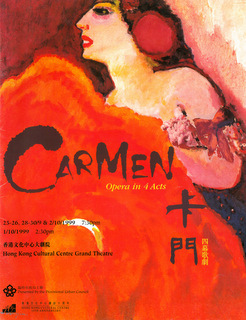
Date: 25-26, 28-30 September and 1-2 October 1999
Time: 7:30pm except 2:30pm on 1 October
Venue: Grand Theatre, HK Cultural Centre
Music: Georges Bizet
Libretto: Henri Meilhac and Ludovic Hal?vy
Original Story: Prosper M?rim?e
The Hong Kong Philharmonic Orchestra
Chorus of the Opera Society of Hong Kong
The Academy Dancers
Conductor: Constantine Kitsopoulos
Chorusmaster: Raymond Fu
Choreographer: Mandy Petty
Repetiteurs: Graham Lilly / Nina Yip
Set Designer: Ricky Chan
Costume Designer: Mandy Tam
Lighting Designer: Kim Lee
Production Manager: Catherine Cheng
Technical Director: Frank Yeung
Producer and Director: Lo King-man
The Cast
Carmen: Sara Fulgoni, Mezzo-Soprano (25/9, 28/9, 30/9, 2/10), Patricia Fernandez, Mezzo-Soprano (26/9, 29/9, 1/10)
Don Jose: Peter Riberi, Tenor (25/9, 28/9, 1/10, 2/10), Warren Mok, Tenor (26/9, 29/9, 30/9)
Escamillo: Stephen Gadd, Baritone
Micaela: Nancy Yuen, Soprano (25/9, 28/9, 30/9), Katusha Tsui-Fraser, Soprano (26/9, 29/9, 1/10, 2/10)
Zuniga: Michael Rippon, Bass
Morales/Dancairo: George Mosley, Baritone
Mercedes: Zhang Qian, Mezzo-Soprano (25/9, 28/9, 30/9, 2/10),Cindy Wong, Mezzo-Soprano (26/9, 29/9, 1/10)
Remendado: Alex Tam, Tenor (25/9, 28/9, 30/9, 2/10), Bastien Tai, Tenor (26/9, 29/9, 1/10)
Frasquita: Maggie Lai, Soprano (25/9, 28/9, 30/9, 2/10), Jovita Leung, Soprano (26/9, 29/9, 1/10)
Andres: Sylvester Che, Baritone
|
|
|
Synopsis of Scenes
Act I A square by the tobacco factory in Seville
Act II A tavern by the wall of the city
Act III Smugglers' hide-out in the mountains
Act IV Outside the bullring in Seville
The Opera Society of Hong Kong
The Opera Society of Hong Kong was established in 1992 by a group of dedicated singers. The Society has since performed its mission to promote western opera, operetta and vocal music in the community in Hong Kong, while maintaining an outstanding standard of performance. The Chorus has been instrumental in enriching the cultural life of the community by performing in a broad range of programmes. Since 1992, the Chorus has performed in a number of acclaimed opera performances staged by the Provisional Urban Council (formerly Urban Council), including those of Otello, Rigoletto, La Traviata, A?da, Lucia di Lammermoor, Turandot and La Boheme, and those staged by the Provisional Regional Council, including The Merry Widow and Die Fledermaus, and also the Hong Kong Arts Festival Chamber Opera Night Banquet. The Chorus has performed in a large number of other works, including Beethoven?s Ninth Symphony, Prokofiev?s Alexander Nevsky and Bach's St. Matthew Passion, with leading local and overseas orchestras such as the St. Martin-in-the-Fields with Sir Neville Marriner, the Hong Kong Philharmonic Orchestra and other groups.
Having members coming from all strata of society, the Chorus is composed mainly of local talent, but also haying membership of other nationalities. With the vision of keeping abreast with world-renowned choruses, the Chorus strives to achieve the best standards. Under the direction of Raymond Fu, Chairman of the Opera Society and Chorusmaster, the Chorus has achieved a consistently high standard of performance that was described as ?Heavenly choir...the chorus limbers up for St. Matthew Passion, the highlight of RTHK?s Easter series of early music.? by the South China Morning Post.
The Society lays emphasis on nurturing its members, who receive intensive training at rehearsals. Through their participation in opera and other productions, members also increase their understanding of the overall process of musical production and interpretation. Additionally, through participating in various master classes organised in line with productions, members broaden their exposure to operatic and musical training. Interested music lovers are welcome to visit the Society?s homepage at www.opera.org.hk.
Chorus of The Opera Society of Hong Kong
Chorusmaster: Raymond Fu
Assistant Chorusmistress: Faith Fung
Rehearsal Pianists: Nina Yip / Wang Ay-wen
Soprano
Chiew Tsz-ying, Sharon
Chiu Wai-tak
Peggy Fung
Fanny Ho
Katherine Kwong
Lai Ka-man
Sandy Lee
Winnie Lee
Li Yuen-yu, Lydia
Mak Ho-yi
Mak Lal-king, Rachel
Mak Yuen-yee
To Ching-pui, Apple
Joanne To
Tse Sui-king
Frances Wong
Pancy Wong
Shiirley Yeung
Tenor
Chan Chi-hang
Cheung Shu-kan
Chung Chi-wing, Andrew
Fung Ying-wai, Wilson
Hon Cheong-wah, Franky
Felix Lam
Henry Leung
lohn Freere Perry
Herbert Tam
Ting Ka-lam
TuckyTo
Tsang Wai-ki
Wong Chi-lok
Tony Wong
Yeung Yun-loong
Yuen Kin-kwan, Peter
Yung Chi-wai, Eric
Alto
Esther Chan
Cheng Ka-yiu
Marilyn Cheng
Fung Hoi-yi
Ho Ngai-zie, Elsie
Rita Leung
LoYim-lan, Bertha
Rachel Lo
Vicky Ma
Ng Hoi-shan
Sun Ching-ching
Sze Siu-wan, Melody
Tsui Sin-yui, Cindy
Tilda Wat
Wong Cheuk-yin, Anita
Wong Ka-ying
Nancy Vong
Bass
Chan Chi-wang
Chan Kwok-kin
Cheng Hoi-chung, Raymond
Cheng Hon-wing, Samuel
Chiu Pak-shing
ChungYing-yin, Desmond
Hung Yiu-tung
Kong Yuk-on
Kwan Ke-lin, Michael
Kwok Kar-kit
Lam Chung-shun
Lee Ka-hing
Rupert McCowan
Pong Chung-lam
Wong Po-to
Matthew Wong
Wu Hiu-fung
Children's Chorus of The Opera Society of Hong Kong
Chorusmistress: Shirley Yeung
Assistant Chorusmistress: Fung Hoi-yi
Instructor: Peggy Fung
Chan Pak-yin
Cheong Sek-chao
Tony Cheung
Carol Chiu
Chong Ching
Ho Chun-ngai
Gordon Ho
Vanessa Kwan
Kwok Sik-lun
Kwong Chi-hang
Sally Lai
Patricia Lai
Jonathan Leung
Davina Levy
Liu Ching-yan
Lo Wai-kwan
Lorraine Lui
Dickson Mok
Ngai Pak-yan
Elizabeth Shen
Tsang Lai-u
Stephanie Tsang
Wong Ho-lun
Michael Wong
Rowena Wong
Michelle Wong
Yam Wan-ting
Yu Wai-chun
Yuen Tik-wan
|
|
|
Die Fledermaus |
|
|
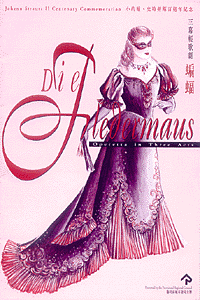
Date: 16-18 April 1999
Time: 7:30 PM
Venue: Auditorium, Shatin Town Hall
Music: Johann Strauss II
Libretto: Carl Haffner & Richard Genee
The Hong Kong Philharmonic Orchestra
The Opera Society of Hong Kong
The Academy Dancers & Synchro
Conductor: Long Yu
Chorusmaster: Raymond Fu
Rehearsal Pianist: Patience Fung
Choreographers: Graeme Collins, Hong Kong Academy Dancers; Eve Leung, Synchro
Repetiteur: Timmy Tsang
Set Designer: Ivan Cheng
Costume Designer: Mandy Tam
Lighting Designer: Billy Chan
Stage Manager: Teresa Fok
Technician Manager: Ringo Yu
Director & Producer: Lo King-man
Cast List
Eisenstein: Warren Mok, tenor
Rosalinde: Jane Thorngren, soprano
Dr. Falke: George Mosley, baritone
Adele: Katusha Tsui-Fraser, soprano
Frank: Derek Anthony, bass
Alfred: David Quah, tenor
Prince Orlofsky: Jose de Sousa, tenor
Blind: Sylvester Che, baritone
Ida: Jovita Leung, soprano
Frosch: Michael Rippon, bass
Ivan: John Tustin, actor
|
|
|
Scenes
Overture
Act I Eisenstein's House in the Suburb
Act II Summer Villa of the Russian Prince Orlofsky
Act III The Warden's Office in the Prison
Chorus of the Opera Society of Hong Kong
The Opera Society of Hong Kong was founded by a group of dedicated and enthusiastic singers. They come from all walks of life and share a common desire to promote opera and musical theatre to the people of Hong Kong. Since 1992, Chorus of the Opera Society of Hong Kong has performed in Urban Council's productions of Verdi's Otello, Rigoletto, La Traviata, Aida, Donizetti's Lucia di Lammermoor and Puccini's Turandot and La Boheme, under the direction of Chorusmaster and Chairman Raymond Fu. In 1996, the Chorus presented 'A Night at the Opera' in association with Hong Kong Sinfonietta with great success.
1997 was another exciting year for the Chorus. Performances have included Beethoven's Ninth Symphony with Sir Neville Marriner and Academy of St. Martin-in-the-Fields presented by the Hong Kong Academy for Performing Arts; Prokoflev's Alexander Nevsky as well as the New Year's Concert with Hong Kong Philharmonic Orchestra and Chorus; Hong Kong Ballet's Emperor and the Nightingale; and the Concert Celebrating the Reunification of Hong Kong with China.
In 1998, the Society took part in Provisional Regional Council's first operetta production The Merry Widow by Lehar in January and J. S. Bach's St Matthew Passion presented by Radio 4, RTHK, both with raving reviews.
This February the Society has participated in Hong Kong Arts Festival's chamber opera Night Banquet by Guo Wenjing. After presenting its first public concert 'Opera Passion' in March, sponsored by Hong Kong Arts Development Council, Chorus members are busy preparing for the Die Fledermaus production as well as their biennial re-audition before the next opera production this fall.
Soprano
Chang-Rudolph, Liann
Fung Pak-chi, Peggy
Fung Pui-kee, Brigit
Fung Pui-shan, Patience
Hellerman, Diana
Ho Ming-chong, Fanny
Kwong, Katherine MS
Lai, Daisy
Lam King-yam, Fabia
Lee King-yee, Sandy
Leung Po-pui, Noel
To Cho-ying, Joanne
Yeung Shuet-kwan, Shirley
Mezzo-Soprano
Bach, Petra
Choy, Juliet
Leung Shuk-han, Rita
Man Che-on, Angel
Ng Yim-hung, Connie
Wible, Juniata
Wong May-yee, Frances
Wong Wai-wah, Pancy
Wong Yee Wan, Lucia
Wwong, Nancy
Sang, Margaret
Tenor
Lam Chung-ming
Lam Yan-yin, Felix
Lee Kun-fai, Kenneth
Mang Hoi-pui, Orlando
Mui Wai-lok, Raymond
Ting Ka-lam
To Tak-kee, Tucky
Wong Chi-chuen
Wong Yiu-tong. Tony
Yung Chi-wai
Bass
Au Yeung, Herbert
Chan Chi-wang
Cheng Hoi-chung, Raymond
Cheng Hon-wing, Samuel
Hau, Norman
Ho Kai-wing, Kevin
Hung Yiu-tung, Aric
Kong, William
Kong Yuk-on
Kwok Kar-kit
Kwong, Albert
Lee Ka-hing
Pong Chung-lam
Shum Tai-shing
Wong Po-to
Extra: Chen, Stephen
|
|
|
Night Banquet |
|
|
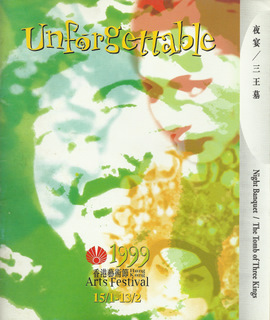
Date: 11-12 January 1999
Time: 7:45 PM
Venue: APA Drama Theatre
Night Banquet (Yeyan)
A One-Act Chamber Opera
Co-commissioned by Almeida Opera, London,
Hong Kong Arts Festival Society
and Contemporary Chamber Orchestra Taipei.
Music: Guo Wenjing
Text: Zhou Jingzhi
The Opera Society of Hong Kong
The Hong Kong Sinfonietta
Conductor: Brad Cohen
Chorusmaster: Raymond Fu
Repetiteurs: Nina Yip
Set Designer: Leung Wing Sum, Sam
Costume Designer: Mandy Tam
Lighting Designer: Mak Kwok Fai
Producer / Director: Lo King-man
The Cast
Han Xizai (scholar and poet): Gong Dong-jian
Hongzhu (concubine of Han Xizai): Yim Wai
Li Houzhu (the Emperor): David Quah
Gu Hongzhong (court painter): She Ke-long
Zhou Wenju (court painter): Che Yuen Keung
Entertainers: Jovita Leung / Maggie Lai
Pipa: Wu Man
|
|
|
The Opera Society of Hong Kong Chorus
Raymond Fu, Chorusmaster
Members
Rita Leung
Sze Siu Wan
Nancy Wong
Shirley Yeung
Chiu Pak Shing
Kwok Kar Kit
Pong Chung Lam
Wong Po To
|
|
|
La Boheme |
|
|
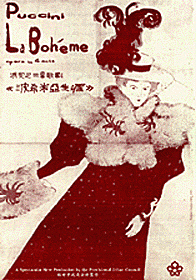
Date: 19/20, 22/23, 25/26 September 1998
Time: 7:30 PM
Venue: Grand Theatre, HK Cultural Centre
Music: Giacomo Puccini
Libretto: Giacosa and Illica
After the novel of Henri Murger
The Hong Kong Philharmonic Orchestra
The Opera Society of Hong Kong
Conductor: Constantine Kitsopoulos
Chorusmaster: Raymond Fu
Rehearsal Pianist: Sun Ching-ching, Patience Fung
Repetiteurs: Lily Yeung, Timmy Tsang
Set Designer: Ricky Chan
Costume Designer: Mandy Tam
Lighting Designer: Leo Cheung
Production Manager: Catherine Cheng
Technical Director: Frank Yeung
Director and Producer: Lo King-man
The Cast
Mimi: Soprano Liping Zhang (19, 22, 25/9), Claire Rutter (20, 23, 26/9)
Musetta: Soprano Sally Harrison (19, 22, 25, 26/9), Katusha Tsui-Fraser (20,23/9)
Rodolfo: Tenor Carlo Ventre (19, 22, 25/9), Robert Lischetti (20, 23, 26/9)
Marcello: Baritone Stephen Gadd (19, 22, 25/9), Kewei Wang (20, 23, 26/9)
Schaunard: Baritone George Mosley
Colline: Bass Derek Anthony
Benoit: Bass Michael Rippon
Alcindoro: Bass Michael Rippon (19, 23, 26/9), Sylvester Che (20, 22, 25/9)
Parpignol: Tenor Wong Chi-chuen (19, 22, 25/9), Alex Tam (20, 23, 26/9)
Sergeant: Bass Wong Po-to
Customs Officer: Bass Pong Chung-lam
Street Performers: Jim Chimm, Eddy Au
Head Waiter: Amornsomboon Pichead
|
|
|
Synopsis of Scenes
Act I An attic in the Latin Quarter of Paris
Act II A square in front of the Cafe Momus
Act III The tollgate at the Enfer barrier
Act IV In the attic
Chorus of The Opera Society of Hong Kong
The Opera Society of Hong Kong was founded by a group of dedicated and enthusiastic singers. They come from all walks of life and share a common desire to promote opera and musical theatre to the people of Hong Kong. Since 1992, the Chorus of The Opera Society of Hong Kong has performed in the Urban Council's productions of Verdi's Otello, Rigoletto, La Traviata and Aida, Donizetti's Lucia di Lommermoor and Puccini's Turandot under the direction of Chorusmaster and Chairman Raymond Fu. In 1996, the Chorus presented A Night at the Opera in association with the Hong Kong Sinfonietta with great success. 1997 was another exciting year for the Chorus. Performances included Beethoven's Symphony No. 9 with Sir Neville Marriner and St. Martin in the Fields presented by The Hong Kong Academy for Performing Arts; Prokofiev's Alexander Nevsky as well as the New Year Concert with the Hong Kong Philharmonic Orchestra and Chorus; Hong Kong Ballet's The Emperor and the Nightingale; and Melodies of New Era Concert in the 97 Reunification Music Festival.
In 1998, the Opera Society took part in the Provisional Regional Council?s first operetta production The Merry Widow in January and J.S. Bach's St Matthew Passion presented by Radio 4, RTHK, both with rave reviews.
Soprano
Sharon Chiew
Brigit Fung
Patience Fung
Peggy Fung
Han Sung-jin
Fanny Ho
Ellie Kung
Katherine Kwong
Lai Ka-man
Lee King-yee
Becky Lee
Esther Lee
Pau Fung-mei
Joanne To
Frances Wong
Pancy Wong
Shirley Yeung
Gloria Yuen
Alto
Petra Bach
Esther Chan
Cheng Ka-yiu
Marilyn Cheng
Cathy Chong
Elsie Ho
Sharon Kwok
Rachel Lo
Vicky Ma
Angel Sin
Sze Siu-wan
Nancy Wong
Tenor
Choi Sze-yick
Simon Kwan
Kenneth Lee
Henry Leung
Orlando Mang
Rupert McCowan
Pun Chi-kit
Ting Ka-lam
Tucky To
Ricky Tsang
Tony Wong
Yip Pak-hay
Peter Yuen
Yung Chi-wai
Bass
Chan Kwok-kin
Chan Chi-wang
Samuel Cheng
Chiu Pak-shing
Ho Kai-wing, Kevin
Kwok Ka-kit
Lee Ka-hing
Milton Leung
David C P Lo
Pong Chung-lam
Tang Sik-sum
Wong Ming-hay
Wong Po-to
Wu Hiu-fung
Children Chorus
Au Hiu-man
Chan Cho-yan
Chan Sei-min
Fiona Chan
Cheung King-him
Cheung King-yan
Cheung Siu-wing
Cheong Sek-chao
Eunice Ho
Ko Hiu-ki
Patience Lai
Lam Yin-ting
Leung On-yue
Jonathan Leung
Davina Levy
Aya Lowe
Lorraine Lui
Athena Mok
Wan Sin-yu
Mancy Wan
Wong Ho-lun
Wong Tze-wai, Keli
Wong Sum-wai, Jenny
Michelle Wong
Eugene Yip
|
|
|
The Merry Widow |
|
|
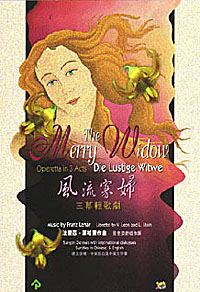
Date: 9-11 January, 1998
Time: 7:30 PM
Venue: Auditorium, Shatin Town Hall
Music: Franz Lehar
Libretto: Victor Leon, Leo Stein
Original Comedy: Henri Meilhac
The Cast
Hanna Glawari: Joanna Kubaszewska, soprano
Danilo Daniowitsch: Warren Mok, tenor
Valencienne: Katusha Tsui-Fraser, soprano
Camille de Rosillon: David Quah, tenor
Baron Zeta: Derek Anthony, bass
Njegus: Michael Rippon, bass
Cascada: Jose de Sousa, tenor
St. Brioche: Bastien Tai, tenor
Bagdanovitsch: Arthur Lathrop, tenor
Sylvane: Winnie Lee, soprano
Kromow: Lam Ho-chi, baritone
Olga: Shirley Yeung, soprano
Pritchitsch: Wong Po-to, baritone
Praskowia: Rita Leung, mezzo-soprano
Manager of Maxim's: Amornsomboon Pichead, actor
The Hong Kong Philharmonic Orchestra
The Opera Society of Hong Kong
Hong Kong Academy Dancers
Conductor: Long Yu
Chorusmaster: Raymond Fu
Rehearsal Pianist: Patience Fung
Principal Choreographer: Graeme Collins
Choreographer: Mandy Petty
Repetiteurs: Lily Yeung / Timmy Tsang
Production Pianists: Lily Yeung / Timmy Tsang
Co-director of staging: Peter Woss
Set Designer: Ivan Cheng
Costume Designer: Gay Wilkins
Lighting Designer: Billy Chan
Technician Manager: Ringo Yu
Production Manager: Catherine Cheng
Director & Producer: Lo King-man
|
|
|
Synopsis of Scenes
Overture Balisirener Waizer
Act I Pontevedrian Embassy in Paris
Act II Hanna's Garden Party
Entr'acte Vilja Ballade
Act III Maxim's of Paris
The Opera Society of Hong Kong Chorus
The Opera Society of Hong Kong was founded by a group of dedicated and enthusiastic singers. They come from all walks of life and share a common desire to promote opera and musical theatre to the people of Hong Kong. Since 1992, the Hong Kong Opera Society Chorus has performed in the Urban Council's productions of Verdi's Otello, Rigoletto, La Traviata, Donizetti's Lucia di Lammermoor and Puccini's Turandot under the direction of Chorusmaster and Chairman Raymond Fu. In 1996, the Chorus presented A Night at the Opera in association with the Hong Kong Sinfonietta. 1997 has so far been another exciting year for the Chorus. Performances have included Beethoven's Ninth Symphony with Sir Neville Marriner and St. Martin in the Fields presented by the Hong Kong Academy for Performing Arts, Prokofiev's Alexander Nevsky and the New Year Concert with the Hong Kong Philharmonic Orchestra and Chorus, and Verdi's Aida presented by the Provisional Urban Council.
Soprano
Chiu Wai-tak
Patience Fung
Fanny Ho
Ellie Kung
Sandy Lee
Sonia Lee
Winnie Lee
Noel Leung
Mak Yuen-yee
Angel Man
Shirley Yeung
Yu Sau-chu
Gloria Yuen
Alto
Petra Bach
Marilyn Cheng
Cathy Chong
Esther Chung
Sharon Kwok
Katherine Kwong
Rita Leung
Chris Lo
Ma Wing-ki
Shirley Pau
Juniata Wible
Nancy Wong
Tenor
Alberto Choi
Ku Kin-keung
Kenneth Lee
Henry Leung
Robin Mak
Ken Ng
Tucky To
Ricky Tsang
Stanley Wong
Tony Wong
Bass
Herbert Au Yeung
Patrick Chan
Raymond Cheng
Samuel Cheng
Aric Hung
Kong Yuk-on
Enoch Lam
Pierre Lam
Colin Lau
Tang Sik-sum
Wong Po-to
|
|
|
Aida |
|
|
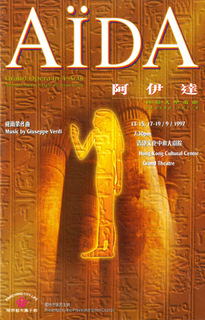
Date: 13-15, 17-19 September 1997
Time: 7:30 PM
Venue: Grand Theatre, HK Cultural Centre
Music: Giuseppe Verdi
Libretto: Antonio Ghislanzoni
The Cast
Aida Soprano: Karen Notare,Yanyan Wang
Amonasro Baritone: Ping Yu, Tsui Fal (understudy)
Amneris Mezzo Soprano: Yun Deng, Tichina Vaughn
Ramfis Bass: John Macurdy
Pharoah Bass: Derek Anthony
Radames Tenor: Warren Mok, Yuxin Li
Priestess Soprano: Katusha Tsui-Fraser, Belinda Liew
Messenger Tenor: Wong Chi-chuen, Cheung Chi-chung, Tam Tin-lok
Repetiteurs: Lily Yeung, Timmy Tsang
Chorus of The Opera Society of Hong Kong
Chorusmaster: Raymond Fu
Rehearsal Pianists: Patience Fung, Timmy Tsang
The Hong Kong Philharmonic Orchestra
Conductor: Long Yu
The Hong Kong Academy Dancers
Choreographer: Thomas Brown
The Scout Association of Hong Kong
|
|
|
Chorus of The Opera Society of Hong Kong
The Opera Society of Hong Kong was founded by a group of dedicated and enthusiastic singers. They come from all walks of life and share a common desire to promote opera and musical theatre to the people of Hong Kong. Since 1992, the Chorus of The Opera Society of Hong Kong has performed in the Urban Council productions of Verdi's Otello, Rigoletto, La Traviata, Donizetti's Lucia di Lammermoor and Puccini's Turandot under the direction of Chorusmaster and Chairman Raymond Fu. In 1996, the Chorus presented A Night at the Opera in association with the Hong Kong Sinfonietta. 1997 has so far been another exciting year for the Chorus. Performances have included Beethoven's Symphony No.9 with Sir Neville Marriner and St. Martin in the Fields presented by The Hong Kong Academy for Performing Arts, Prokofiev's Alexander Nevsky with the Hong Kong Philharmonic Orchestra and Chorus and Verdi's Aida presented by the Provisional Urban Council. The Opera Society will be performing next in the Provisional Regional Council's operatta production The Merry Widow by Lehar in January 1998.
SOPRANO
Chen Wen-chi
Chiew Tsz-ying
Chin Wal-tak
Gwena Freeman
Fung Pui-shan
Julia Han
Diana Hellerman
Sid Hellerman
Hni See-Ink
Kung Ka-pui
Katherine Kwong
Lai Ka-man
Lee King-yee
Becky Lee
Leung Po-pui
Leung Siu-kum
Amy Leung
Mak Yuen-yee
Pau Fung-mei
To Cho-ying
Tzeng Li-chin
Leora Williams
Wong Chun-fong
Wong Yan
Yeung Shuet-kwan
ALTO
Petra Bach
Chan Chni-lin
Chan Ngai-yuan
Esther Chan
Cheng Ka-yin
Cheng Man-li
Cathy Chong
Jeanny Chou
Ho Ngai-zie
Kwok Wan-man
Sidney Lee
Leung Shuk-han
Lo Wai-lin
Luk Wing-san
Ma Wing-H
Ng Fung-man
Poon Wai-sum
Sin Wing-yee
Sze Siu-wan
Tai Tsui-wah
Phoebe Tang M.S.F.
Wong Man-ki
Mabel Wong
Nancy Wong
TENOR
Chan Chi-hang
Chung Chi-wing
Fung Ying-wai
Hon Cheong-wah
Ku Kin-keung
Kwan Ke-lin
Lam Chung-ming
Lee Kun-fai
Rnpert McCowan
Mui Kei-ho
Mni Wai-lok
Skip Myers
Pong Tze-yu
Tam Tin-Ink
Peter Thorp
Ting Ka-lam
To Tak-kee
Wong Chi-chuen
Wong Chi-Iok
Wong Kwok-tai
Wong Yiu-tong
Yeung Yun-Ioong
Yip Pak-hay
Yung Chi-wai
BASS
Chan King-chung
Cheng Hoi-chnng
Cheng Hon-wing
Chiu Pak-shing
Hung Yiu-tung
Jeffrey Kim
Kong Yuk-on
Lee Ka-hing
Leung Wai-lam
Lob Chi-sing
Mak Chi-keung
Mang Hoi-pui
Lucas Ng
Pong Chung-lam
Richard A. Smart
Wai Kar-yan
Wong Po-to
Matthew Wong
Wu Hiu-fung
Yung Hoi-sun
|
|
|
Alexander Nevsky |
|
|
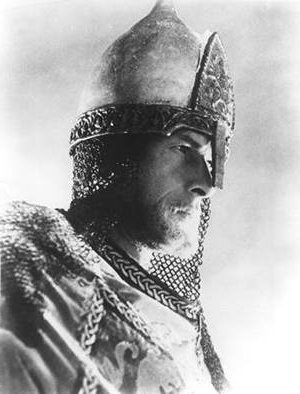
Date: 20 and 21 June 1997
Time: 8:00 pm
Venue: Concert Hall, Hong Kong Cultural Centre
Programme:
Haydn: L'infidelta delusa Overture
Mendelssohn: Violin Concerto
Prokofiev: Alexander Nevsky, Cantata Op. 78
|
|
|
The Hong Kong Philharmonic Orchestra
Chorus of the Opera Society of Hong Kong
The Cecilian Singers
Diocesan Boys' School Senior Choir
William Preucil (violin)
Conductor: David Atherton
Chorusmaster: Wing-sie Yip
|
|
|
Turandot |
|
|
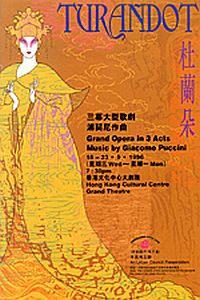
Date: 18-23 September 1996
Time: 7:30 PM
Venue: Hong Kong Cultural Centre Grand Theatre
Music: Giacomo Puccini (Final pages completed by Franco Alfano)
Libretto: Giuseppe Adami / Renato Simoni
Original Play: Carlo Gozzi
The Opera Society of Hong Kong
The Hong Kong Children's Choir
Chorusmaster: Raymond Fu
Childrens' Coach: Shirley Yeung
Production Pianists: Lily Yeung / Anna Lo / Wong Tin-wing
The Hong Kong Sinfonietta
Conductor: Long Yu
Set Designer: Ivan Cheng Si-leung
Costume Designer: Lorraine Naylor
Lighting Designer: Tommy Wong
Choreographers: Paxia Wumaler / Gao Feng
(Choreography based in part on the work of Michelle Williams)
Technical Director: Frank Yeung
Production Manager: Catherine Cheng
Assistant Director: Frankie Ho
Director and Producer: Lo King-man
|
|
|
The Cast
Turandot Soprano: Pamela Kucenic /Adrienne Dugger
Calaf Tenor: Antonio Ordonez / Xiaojun Deng
Liu Soprano: Gail Dobish / Yan-yan Wang
Timur Bass: John Macurdy / Derek Anthony
Ping Baritone: Ping Yu
Pang Tenor: Melvin Lowery
Pong Tenor: Jose Manuel de Sousa
Emperor Tenor: Wong Chi-chuen
Mandarin Baritone: Derek Anthony / Sylvester Che
Court Ladies Soprano: Kirsty Chan / Margaret Yim
Grand Opera in 3 Acts
Act I Outside the palace
Act II Scene i The ministers
Scene ii In the palace
Act Ill Scene i By the lake
Scene ii In the palace
Chorus of The Opera Society of Hong Kong
The Opera Society of Hong Kong was founded by a group of dedicated and enthusiastic singers. They come from all walks of life and share the common interest in promoting western opera and musical theatre to the general public. Since 1992, they performed in the Urban Council?s productions of Verdi's Otello, Rigoletto, La Traviata, and Lucia di Lammermoor under the supervision of chorusmaster and chairman Raymond Fu. They aspire to attain the highest standards of performance comparable with the best choruses around the world.
Soprano
Penny Day
Julia Han
Katherine Kwong
Ester Lee King-wo
Mak Yuen-yee
Joanne To
Leora Williams
Sue Wilkinson
Shirley Yeung Shuet-kwan
Gloria Yuen Wing-yan
Sandi Chan Sum-tim
Chiew Tsz-ying
Patience Fung
Sonia Lee
Sandy Lee
Leung Sze-wai
Amanda Liu
Amy Yeung Kwun-yee
Alto
Petra Bach
Amanda Chan Ngai-yuan
Jeanny Chou
Lai Ka-man
Julianna Li Chun-wai
Sin Wing-yee
Maggie Siu Yiu
Sze Siu-wan
Phoebe M Tang
Esther Chan
Anne Cheng
Cathy Chong
Elsie Ho Ngai-zie
Rosa Lam
Ng Po-yee
Amy Luk
Nancy Wong
Tenor
Neil Drave
Hon Cheong-wah
Daniel G Mallari
Pun Chi-kit
Wong Chi-chuen
Peter Yuen Kin-kwan
Andrew Chung Chi-wing
Kenneth Lee Kun-fai
Orlando Mang
Ian Robinson
Peter Thorp
Yeung Yun-loong
Yip Pak-hay
Bass
Patrick Chan Kwok-kin
Lam Kwok-cheung
Colin Lau Tak-wai
Lee Ka-hing
Milton Leung
Patrick Lo
Ken Ng Chun-keung
Don McGown
Ngai Tak-fai
Pong Chung-lam
Wu Hiu-fung
Thomas Chan Chun-hong
Chiu Pak-shing
Kwan Shiu-kee
Charles Leung
Loh Chi-sing
Mak Chi-keung
Shum Ka-fai
Matthew Wong
Wong Po-to
The Hong Kong Children's Choir
The Hong Kong Children's Choir was founded in 1969 as a private non-profit-making organization. Since its inception in 1969, the Choir has won international recognition as one of the best children's choirs in the world. The Choir has toured all over the world, performing in world expos, symposiums and music festivals to high acclaim as the "Little Goodwill Singing Ambassadors from Hong Kong". During July and August this year, the Choir has toured Canada, USA and Japan, participating in different International choral and cultural festivals. The Hong Kong Children's Choir also organizes and participates in different local performances, giving great support in developing children?s artistic training in Hong Kong. Today, nearly 2,500 boys and girls are receiving singing, instrumental, dancing and painting training from the Choir.
Children Chorus
Chan Lok-hang
Chan To-yan
Chan Wai-yan, Cathy
Chan Wing-him
Chan Wing-hong
Cheung Bun-ming
Chung Nga-ting, Iding
Ho Jee-jin
Hon Cheuk-ting
Ip Wing-won
Kwong Wing-ki
Lee Hoi-jing, Agnes
Lee Ka-fung, Calvin
Lim Long-heng
Tse Sin-wai
Wan Man-sze, Mancy
Wong Chi-wah
Wong Hiu-ching
Wong Lok-yan
Wong Michelle
Wu Yat-man
Yeung Mei-ting
Yip Yue-ching, Eugene
Yu Cheuk-wa
|
|
|
Lucia di Lammermoor 1995 |
|
|
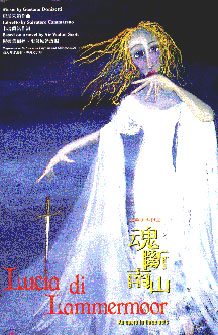
Date: 3-6 November 1995
Time: 7:30 PM
Venue: Grand Theatre, HK Cultural Centre
Music: Gaetano Donizetti
Libretto: Salvatore Cammarano
An opera in three acts based on the novel by Sir Walter Scott.
Performed in Italian with English and Chinese titles.
Conductor: Long Yu
Chorusmaster: Raymond Fu
Scene Designer: Karen Bartlett
Costume Designer: Lorraine Naylor
Lighting Designer: Kim Lee
Production Manager: Catherine Cheng
Technical Manager: Frank Yeung
Director & Producer: Lo King-man
Lucia di Lammermoor 2012
|
|
|
The Cast
Lucia Soprano Gail Dobish (3 & 5 Nov) / Nancy Bergman (4 & 6 Nov)
Edgardo Tenor Warren Mok (3 & 5 Nov) / Jing-ma Fan (4 & 6 Nov)
Enrico Baritone Ping Yu
Raimondo Bass Derek Anthony
Arturo Tenor Euro Nava
Normanno Tenor Jose Manuel de Sousa / Wong Chi-chuen
Alisa Mezzo-Soprano Cindy Wong / Zhang Hao
The roles of Edgardo, Enrico and Arturo are covered respectively by Euro Nava, Andrew Fernando and Jose Manuel de Sousa.
Repetiteurs: Anna Chan / Lily Yeung
The Opera Society of Hong Kong Chorus
Chorusmaster: Raymond Fu
Pianist: Elizabeth Tse
The Hong Kong Philharmonic Orchestra
Conductor: Long Yu
THE OPERA SOCIETY OF HONG KONG CHORUS
The Opera Society of Hong Kong Chorus was founded by a group of
dedicated and enthusiastic singers. They come from all walks of life and
share the common interest in promoting western opera and musical
theatre to the general public. Since 1992, they performed in the Urban Council's productions of Verdi's
Otello, Rigoletto and La Traviata under the supervision of chorusmaster
and chairman Raymond Fu. They aspire to attain the highest standards of
performance comparable with the best western choruses around the world.
SOPRANO
Maureen Chan
Chan Sum Tim
Julia Han
Fanny Ho
Vivian Ko
Katherine Kwong
Sandy Lee
Melissa Leung
Noel Leung
Leung Sze Wai
Sung Mei Kwan
Lisa Tzeng
Sue Wilkinson
Shirley Yeung
ALTO
Amanda Chan
Sharon Kwok
Lai Ka Man
Amy Luk
Ng Po Yee
Shirley Pau
Margaret Sang
Sin Wing Yee
Sze Siu Wan
Tilda Wat
Wong Yee Wan
TENOR
Chan Ting Bong
Cheung Chun Wa
Herbert Tam
Raymond Han
Ng Po
Pun Chi Kit
Peter Thorp
Wong Chi Chuen
Wong Yin Man
Tam Tin Lok
Yip Pak Hay
BARITONE
Chak Ho Yin
Paul Donohoe
Lam Chung Ming
Lam Ho Chi
Lam Kwok Cheung
Lee Ka Hing
Leung Tsun Kai
Aric Hung
Franky Hon
Ken Ng
BASS
Edmund Kwan
Colin Lau
Brian Leung
Lo Wai Sum
Mak Chi Keung
So Chun Cheong
Wong Po To
Matthew Wong
Kwan Shiu Kee
|
|
|
La Traviata |
|
|
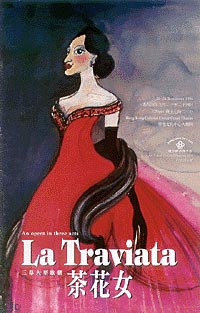 Date: 20-24 September 1994
Time: 7:30 PM
Venue: Hong Kong Cultural Centre Grand Theatre
Music: Giuseppe Verdi
Libretto: Francesco Piave Based on the novel La Dame aux Camelias by Victor Hugo
Conductor:
Paul Nadler (Sept 20/22/24)
Long Yu (Sept 21/23)
Scene Designer: Ho Ying-fung
Costume Designer: Lorraine Naylor
Director: Tim Coleman
Producer: Lo King-man
|
|
|
|
The Cast |
|
|
|
|
|
|
| Violetta (Soprano): |
Nova Thomas
(20, 22, 24/9)
Myra Cordell
(21, 23/9) |
|
Alfredo (Tenor): |
Warren Mok |
| Germont (Baritone): |
Adib Fazah |
|
Flora (Mezzo-soprano): |
Blythe Merrifield |
| Gastone (Tenor): |
Euro Nava |
|
Grevnil (Bass): |
Derek Anthony |
| Douphol (Baritone): |
Michael Rippon |
|
Marguis (Baritone): |
Sylvester Che |
| Annina (Soprano): |
Cindy Wong
(20, 22, 24/9)
Margaret Yim
(21, 23/9) |
|
Giuseppe (Tenor): |
Bastien Tai |
| Commissario (Baritone): |
Lam Ho-chi |
|
Servo (Tenor): |
Wong Chi-cheun |
| Repetiteurs: |
Anna Chan
Gordon Kember
Peter Lally |
|
|
|
|
|
|
|
|
| The Opera Society of Hong Kong |
|
Chorusmaster: Raymond Fu |
| The Hong Kong Ballet |
|
Choreographer: Bruce Steivel |
| The Hong Kong Sinfonietta |
|
Conductor: Paul Nadler (20, 22, 24/9)
Long Yu (21, 23/9) | |
|
|
The Story |
|
| Act I |
|
|
Opens in a salon in Violetta' house, where she is giving a party. Her friend Gastone arrives with Alfredo, and tells her that Alfredo has for some time been in love with her. Alfredo then sings a lively drinking song. |
|
|
As the guests proceed to the ballroom to dance, Violetta is seized by a fit of coughing. Alfredo, who has stayed behind, speaks of his love for her. Violetta tells Alfredo that what she seeks is not love but pleasure, but she promises to see him the next day. |
|
|
After the guests have departed, Violetta, alone and contemplative, sings of how her heart has been touched by Alfredo's love. But she ends with the brilliant "Semprelibera..." as if to discard the softer emotions. |
|
| Act II |
|
| Scene 1 |
|
Opens a few months later, when Violetta has abandoned her former life and is living with Alfredo in a country house outside Paris. Alfredo enters and sings of his joy in life with Violetta. His joy is short-lived, however, when he learns from the maid Annina that Violetta has been selling her jewellery to meet the costs of upkeep of the house. He rushes off to try to raise the money himself. |
|
|
Violetta comes in. She has received an invitation from her former friend Flora to a party that night, but she laughs at the idea of returning to her former life. Just then, an unexpected visitor arrives. It is Germont, Alfredo's father. Germont begs her to leave Alfredo, not only to save Alfredo from ruin, but because the continued relationship will harm the marriage prospects of his sister. |
|
|
Violetta at first refuses Germont's request, but as he continues to plead, she finally makes the agonising decision to give up Alfredo. Left alone, Violetta writes to Flora accepting her invitation, then begins a letter to Alfredo. Before she has finished it, Alfredo arrives to tell her his father is coming to see him. Violetta, pretending to leave so as not to interrupt father and son, tells Alfredo how much she loves him and then departs. A servant hands Alfredo a note; it is Violetta's farewell letter, telling him that she is returning to her former life. At that moment, Germont returns, just in time to console his son as he realises the implications of the letter. |
|
| Scene 2 |
|
Takes place in the same evening, at Flora's party. It opens with a group of gypsies singing and dancing, then Gastone and his friends arrive dressed up as matadors. Alfredo arrives alone. Violetta appears soon afterwards, escorted by Baron Douphol. The two men play at cards for high states and Alfredo wins. When all the guests retire to the adjoining room for the banquet, Violetta has a chance to speak to Alfredo. She begs him to leave, saying the Baron is a dangerous adversary. When Alfredo replies that it is the Baron she fears for, Violetta, remembering her promise to Germont, agrees that she does indeed love the Baron. At that, Alfredo throws open the doors to the banquet room and calls for all to come. He tells them of Violetta's betrayal and says he will pay back every penny she spent on him. He throws at her the purse containing his winnings from the gaming table. |
|
| Germont arrives to witness the scene, but can do nothing except rebuke his son for his shameless behaviour. |
|
| Act III |
|
|
It is set in Violetta's bedroom, she is seriously ill with tuberculosis. The doctor arrives and tries to cheer her with hope of a speedy recovery. But to Annina he reveals that Violetta is dying. Left alone, Violetta reads again a letter from Germont telling her that Alfredo now knows of her sacrifice. He has been sent for to come as quickly as possible. Violetta, however, realises she is near death. |
|
|
Returning from the carnival in the street below, Annina excitedly tells Violetta that she has seen Alfredo. He arrives and they sing of a happy future together. Violetta is once again in the arms of her lover - but it is too late; death has come to La Traviata ("the fallen woman"). |
|
Chorus of the Opera Society of Hong Kong
Chorus of the Opera Society of Hong Kong was founded by a group of dedicated and enthusiastic singers. They come from all walks of life and share the common interest in promoting western opera and musical theatre to the general public.
They performed in the 1992 and 93 productions of Verdi?s Otello and Rigoletto under the supervision of chorusmaster and chairman Raymond Fu. They aspire to attain the highest standards of performance comparable with the best western choruses around the world.
Chorusmaster : Raymond Fu
Rehearsal Pianists: Faith Fung / James Milar / Grace Yue
Magician: Mr Magic / Albert Tam / Tami
SOPRANO
Simfonia Chan
Wini Chiu
Beatrice Kung
Winnie Lee
Noel Leung
Amanda Liu
Sandra Partridge
Linda Peach
Sue Wilkinson
Shirley Yeung
Maureen Chan
Alison Cripps
Fanny Ho
Katherine Kwong
Sandy Lee
Leung Sze-wai
Sung Mei-kwan
ALTO
Amanda Chan
Vivian Ko
Lai Ka-man
Ursula Matthews
Maggie Siu
Sze Siu-wan
Gloria Chan
Lam Yuen-yee
Rita Leung
Tilda Wat
TENOR
Cheung Chun-wa
Ho Man-cho
Stephen Ng
Herbert Tam
Tam Yu-leung
Wong chi-chuen
Kenny Lui
Albert Tsang
Chak Ho-yin
Orlando Mang
Suen Chung-yin
BASS
Lam Ho-chi
Timothy Lam
Lee Ka-kit
Leung Tsun-kai
Ian Yeung
Anton Luiten
Colin Lau
Law Ching-kwok
Brian Leung
Albert Lim
Wilson So
Eric Tang
Matthew Wong
|
|
|
|
Rigoletto |
|
|
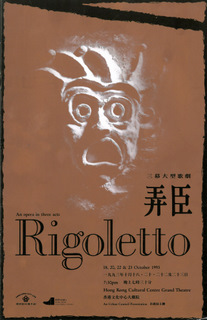
Date: 18, 20, 22, 23 October 1993
Time: 7:30 PM
Venue: Grand Theatre, HK Cultural Centre
Music: Giuseppe Verdi
Libretto: Francesco Piave
Based on a play by Victor Hugo.
THE CAST
Rigoletto: Ernesto Panariello, baritone
The Duke: Warren Mok, tenor
Gilda: Cecelia Wasson, soprano
Sparafucile: Derek Anthony, bass
Maddalena: Blythe Merrifield (18/22 Oct), Ping Wai-ling (20/23 Oct), mezzo-soprano
Monterone: James Butler, bass
Ceprano: Michael Rippon, bass-baritone
Borsa: Wong Chi-chuen (18/22 Oct), David Quah (20/23 Oct), tenor
Marullo: Silvester Che, baritone
Giovanna: Cinde Lee, mezzo-soprano
Page: Fanny Ho, treble
Usher: Colin Lau, baritone
The Hong Kong Opera Society Chorus, Chorusmaster: Raymond Fu
The Hong Kong Ballet, Choreographer: Bruce Steivel
The Hong Kong Philharmonic Orchestra, Conductor: Paul Nadler
Repetiteurs: Anna Chan, Choi Sown-le
Scene Designer: Herbert Janse
Costume Designer: Lorraine Naylor, Law Ping
Lighting Designer: Kim Lee
Technician Director: Ruth Catlin
Director: Tim Coleman
Producer: Lo King-man
|
|
|
Act I
Scene 1: Ah the palace where a party is taking place, the Duke of Mantua, a libertine notorious for his dissolute way of life, tells a lackey about a girl he is planning to seduce. The court jester Rigoletto encourages the Duke's corrupt existence in order to retain his master's favour. The courtiers hate him for his malicious insults, and are waiting for a chance to wreak vengeance. In the meantime, Rigoletto taunts Count Ceprano, whose wife is being molested by the Duke. Old baron Monterone suddenly appears to interrupt the party, denouncing the Duke for dishonouring his daughter. The Duke allows Rigoletto to mock the old nobleman, who curses them both. The curse strikes terror in Rigoletto, for he too, unknown to the court, has a daughter.
Scene 2: On the way home, Rigoletto is still deeply troubled by Monterone's curse. He is accosted by a professional killer, Sparafucile, who offers his services. Having no immediate target, Rigoletto dismisses Sparafucile, and alone broods on his own misery. His daughter Gilda greet him as he arrives home, and they express deep mutual love and care. As soon as Rigoletto leaves, the Duke enters in disguise. His sweet words intoxicate Gilda who falls helplessly in love with him. Noises are heard, and the Duke departs after a passionate farewell. For their revenge on Rigoletto, the courtiers have come to abduct Gilda, believing that she is his mistress. They fool him into thinking that the Countess Ceprano is their target. He realises too late that his own daughter has been taken off. In anguish, he remembers Monterone's curse.
Act II
The Duke, having gone back to Rigoletto's house later that night and found it empty, is now in his palace feeling dejected. The courtiers tell him about Gilda's abduction, and the Duke hurries off to enjoy his new prey. Rigoletto arrives, pretending indifference while searching desperately for his daughter. The courtiers take silent revenge for the injustices the jester has always done them. Their cruel mockery reduces him to abject pleading. Gilda rushes in to confess her disgrace. In a terrible rage, Rigoletto vows vengeance on the Duke.
Act III
Outside the dilapidated inn kept by Sparafucile, Rigoletto has brought Gilda to witness the true character of the Duke whom she still love. Sparafucile, hired by Rigoletto to murder the Duke, uses his sister Maddalena to lure the victim to the inn. Here, Gilda sees the libertine Duke's shameless behaviour. Thinking that she is now convinced of the Duke's worthlessness, Rigoletto sends her home to disguise herself as a man and prepare to leave the city. Gilda obeys only half of his instructions. She puts on the disguise but returns to hear Maddalena persuade her brother not to kill the Duke if anyone should come to be the unfortunate substitute. She decides to sacrifice herself for him. At the height of a storm, she goes into the inn. Rigoletto returns at midnight to collect his victim. As he gloats over the wrapped body, the Duke's voice is heard. Horrified, Rigoletto tears open the sack to find his own daughter, dying. Monterone's curse has been fulfilled.
THE HONG KONG OPERA SOCIETY CHORUS
The Hong Kong Opera Society Chorus was founded by a group of dedicated and enthusiastic singers. They come from all walks of life and share the common interest in promoting western opera and musical theatre to the general public. They first performed in the 1992 production of Verdi?s Otello under the supervision of chorusmaster and chairman Raymond Fu. They aspire to attain the highest standards of performance comparable with the best western choruses around the world.
Chorusmaster: Raymond Fu
Pianist: Fung Yuen-hong, Ivy Lo
TENOR
Andrew Carverhill
Cheung Chun-wa
Neil Drave
Ho Man-cho
Kenny Lui
Ng Chee-sing
Suen Chung-yin
Tsang Hin-fai
Tse Shu-chee
Wong Chi-chuen
Wong Chi-lok
Raymond Yeung
Yip Ling-fung
BASS
Cheng Hoi-chung
Eddy Jang
Edmund Kwan
Lam Ho-chi
Colin Lau
Law Ching-kwok
Leung Yiu-ming
Li Ho-man
Nick Mainprice
Mang Hoi-pui
Eric Tang
Bernard Whaley
Wong Siu-man
Rolief Yam
LADIES OF THE COURT
Wini Chiu
Ho Ming-chong
Lee King-yee
Leung Po-pui
Leung Shuk-han
Yeung Shuet-kwan
|
|
|
Otello |
|
|
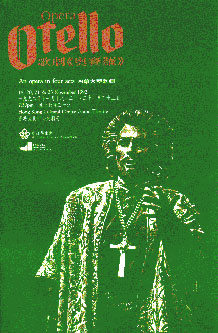
Date: 18, 20, 21, 23 November 1992
Time: 7:30pm
Venue: Grand Theatre, Hong Kong Cultural Centre
Music: Giuseppe Verdi
Book by Arrigo Boito, after the play by William Shakespeare.
PRINCIPAL ARTISTS
Bruno Sebastian, Otello, tenor
Ivan Kusnjer, Iago, baritone
Karen Notare, Desdemona, soprano
Warren Mok, Cassio, tenor
Hao-jiang Tian, Lodovico, bass
Cynthia Luff, Emilia, mezzo-soprano
William Siu, Roderigo, tenor
Wong Chi-chuen, A Herald, tenor
Christopher Denney, Montano, bass
Hong Kong Opera Society Chorus
Chorusmaster: Raymond Fu
The Hong Kong Philharmonic Orchestra
Conductor: Victor de Renzi
|
|
|
|
The Story |
| |
| The setting in Cyprus in the mid-sixteenth century, when the island was under the rule of the Republic of Venice. Otello, a Moorish general in the Venetian army, was the governor. He had recently promoted Cassio as captain. For that, his ensign Iago hates him bitterly while pretending to be loyal and honest. Roderigo, a Venetian gentleman who nurtured a secret love for Otello's wife Desdemona, had followed her to Cyprus. The opera begins with a raging storm at night. |
| |
| Act I |
| |
| Otello returns from battle and his ship arrives as the tempest subsides. He is greeted by a cheering crowd as he announces his victory over the Turks. Iago sets out to plot his vengeance by making Cassio drunk and inciting Roderigo to proboke a brawl, in which a senior officer, Montano, was wounded. Otello at once restores peace and in his anger dismisses Cassio. Left alone, Otello and Desdemona tenderly recall their courtship in a profound expression of love and happiness. |
| |
| Act II |
| |
| Iago advises Cassio to seek Desdemona's help in regaining Otello's favour. Then, alone, he proclaims his belief in a cruel god of evil who inspires his hatred and malignity. With Otello, Iago succeeds in arousing his suspicions of Desdemona's faithfulness with casual hints of her intimate relationship with Cassio. When indeed Desdemona comes to plead for Cassio's pardon, Otello becomes distraught. Fearing he is ill, she tries to soothe his brow with the handkerchief which is his first gift of love. This he throws to the ground and is picked up by Emilia, Iago's wife and Desdemona's lady-in-waiting. From Emilia's hand, Iago snatches that handkerchief away. Otello orders the women to leave, and Iago poisons his mind further by describing how he heard Cassio call Desdemona's name in his dream and saw her handkerchief in his hand. Frantic with rage, Otello swears revenge. |
| |
| Act III |
| |
| Iago assures Otello of more proof of Desdemona's guilt and leaves as he sees her approaching. When Otello demands the handkerchief, Desdemona again pleads for Cassio's reinstatement. He calls her a courtesan and forces her out. Alone, Otello bewails his misery. He hides as Iago returns with Cassio engaged in a light-hearted conversation. Eavesdropping at a distance, Otello believes Cassio to be talking about Desdemona. Iago cleverly flashes her handkerchief for him to see. Thereupon Otello resolves to kill his wife that night. The ambassador Lodovico arrives to announce the ruling Council's decision to recall Otello to Venice and the appointment of Cassio as the new governor. Otello loses control and strikes Desdemona. Having rudely dismissed the courtiers, he collapses in fit. |
| |
| Act IV |
| Desdemona sings the willow song, about a forsaken maiden. She bids Emilia good night, says her prayers and retires to bed. Otello comes in, and his kiss awakens her. Without hearing her protestations of innocence, he suffocates her. Emilia knocks and cries for help. Before Lodovico, Cassio and others, she reveals Iago's treachery. Otello realises his tragedy and stabs himself, dying upon one final kiss on the chaste Desdemona. |
CHORUS
SOPRANO
Chan Sim-fong, Simfonia
Wini Chiu
Kang Tae-eun, Sarah
Kung Shuk-ring, Beatrice
Leung Po-pui, Noel
Linda Peach
Sze Wing-oil, Nancy
Yeung Shuet-kwan, Shirley
Maureen Chan
Fung Hoi-yi
Ho Ming-chong, Fanny
Lee King-yee
Lee Lai-hung
Tam Wai-kwan
Lee Sau-nin, Sonia
Leung Sin-man, Melissa
Sung Mei-kwan
Yu Sau-chu
ALTO
Lee Wai-sze, Grace
Cathy Chong
Chung Shun-wai, Esther
Sheena Graham
Ko Wai-kwan, Vivian
Leung Shuk-han, Rita
Pau Wai-mei
Wat Hoi-yee, Tilda
TENOR
Neil Drave
Tim Groves
Ng Chee-sing, Stephen
Tse Shu-chee
Wong Chi-chuen
Chow Chung-kai
Kenny Lui
Lam Li, Leo
Suen Chung-yin
Ivan Szeto
Gary Tong
Wong Chi-lok
Raymond Yeung
Herbert Tam
BASS
Andrew Carverhill
Lam Ho-chi
Leung Yiu-ming, Brian
Mang Hoi-pui
Eric Tang
Rolief Yam
Cheng Hoi-chung
Cheung Kin-wah
Fung Ki-shui
Colin Lau
Nick Mainprice
Ng Ka-yin, Kelvin
So Chun-cheong
So Wai-sang
HONG KONG OPERA SOCIETY CHORUS
Chorusmaster: Raymond Fu
Pianist: Fung Yuen-bong, Faith
Chorus Secretary: Yeung Shuet-kwan
Honorary Treasurer: Andrew Carverhill
Membership Officer: Sheena Graham
Committee Member: Mang Hoi-pui, Eric Tang
Founded in September 1992, the Hong Kong Opera Society Chorus has 54 members all singing in the current production of Verdi's Otello. Under the supervision of the chorusmaster Raymond Fu, the chorus aspires to attain the standard of some of the best and long-standing western opera choruses in terms of dedicated commitment and enthusiasm for music. The society's members are from all walks of life. These founders of the society all share the common interest in promoting western opera and musical theatre to the public and in assisting local professional productions of grand opera.
Raymond Fu is regarded as one of the most talented choral conductors in Hong Kong. His meticulous approach to interpretation and strict requirements of discipline enable his choirs to achieve utmost expressiveness to their fullest potentials. Holder of a degree in music education from Sterling University, Scotland, he studied conducting with Moses Wu at the age of fifteen and immediately won many first prizes at the Schools Music Festival. In 1977, he was appointed choir manager of the Silver Jubilee performing group which gave 18 concerts in the United Kingdom. In 1978, he was awarded a scholarship to study church music in England. Raymond Fu was for various periods conductor of the Pro-Musica Chorus and the Hong Kong Jubilee Singers. He was appointed chorusmaster of the Hong Kong Chorus in 1983. Over the years, he has been actively involved in mote than 15 opera productions. He is currently head of the music department of St. Paul?s College and master of the St. John's Cathedral Choir.
|
|
|
|
 |












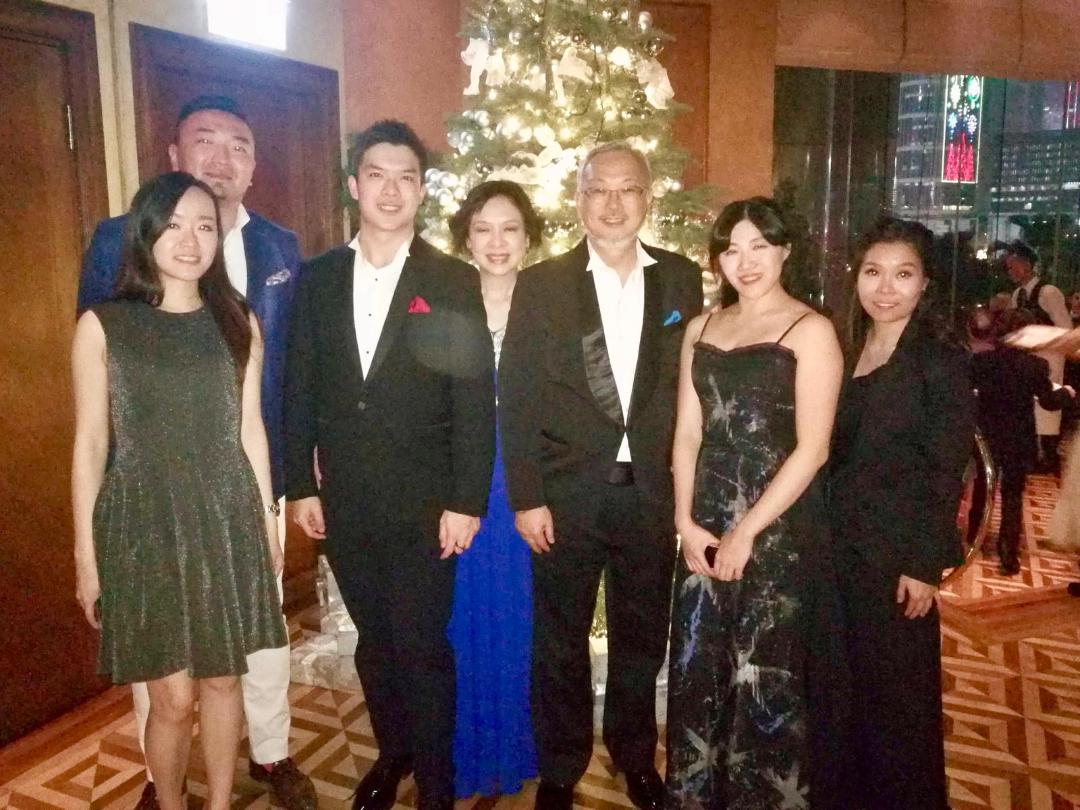 The Opera Society was again invited to perform in a Gig at Grissini on 31 Dec 2017. It was another great success!
 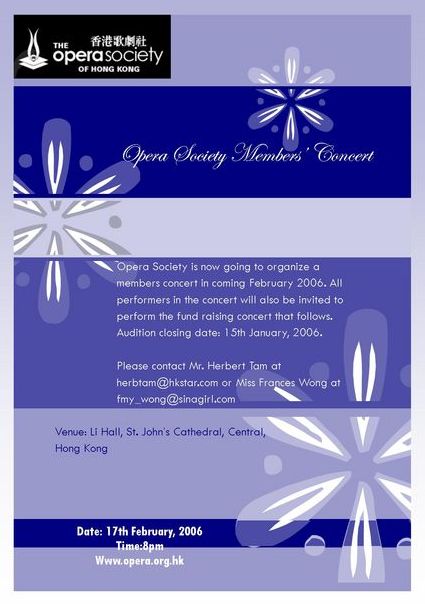 Members' Concert 2006 at the St. John's Cathedral, Garden Road, Hong Kong. Concert coordinators: Herbert Tam, Frances Wong
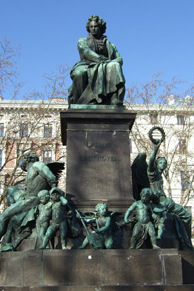 Beethoven's Symphony No. 9 with the Hong Kong Philharmonic Orchestra
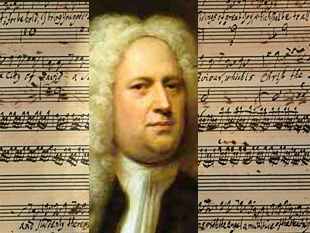 Handel's Messiah with the Hong Kong Philharmonic Orchestra
.jpg) Mozart's Requiem, K626, with the Hong Kong Sinfonietta
Mozart's Requiem, K626, with the Hong Kong Sinfonietta.jpg) "Voices of Light - The Passion of Joan of Arc"
"Voices of Light - The Passion of Joan of Arc".jpg) Beethoven's Symphony No. 9 and Handel's Messiah: Hallelujah Chorus at the RTHK Radio 4 "Grand Millennium Concert"
Beethoven's Symphony No. 9 and Handel's Messiah: Hallelujah Chorus at the RTHK Radio 4 "Grand Millennium Concert".jpg) Beethoven's Symphony No. 9 in Guangzhou
Beethoven's Symphony No. 9 in Guangzhou.jpg) "Opera Passion" organized by the Opera Society of Hong Kong
"Opera Passion" organized by the Opera Society of Hong Kong.jpg) J. S. Bach's St. Matthew Passion
J. S. Bach's St. Matthew Passion.jpg) Hong Kong Philharmonic Orchestra's "New Year Extravaganza"
Hong Kong Philharmonic Orchestra's "New Year Extravaganza"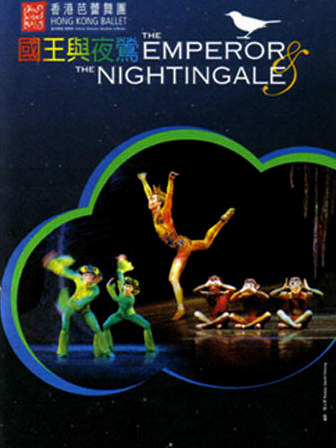 Hong Kong Ballet "The Emperor and the Nightingale" at the International Children's Arts Festival 1997
 97 Reunification Music Festival "Melodies of New Era" conducted by Yan Liang-kun
.jpg) Beethoven's Symphony No. 9 at the HKAPA Music Festival with the Academy of St. Martin in the Fields conducted by Sir Neville Marriner
Beethoven's Symphony No. 9 at the HKAPA Music Festival with the Academy of St. Martin in the Fields conducted by Sir Neville Marriner.jpg) A Night at the Opera with the Hong Kong Sinfonietta
A Night at the Opera with the Hong Kong Sinfonietta.jpg) Hong Kong Stadium Opening Gala with Jean Michel Jarre
Hong Kong Stadium Opening Gala with Jean Michel Jarre
